Cost of Living in Podgorica
Real market data
Source: Numbeo · August 2026
$1,220/moSolo nomad1-bed centre + living costs
$1,650/moCoupleshared 1-bed + costs
$1,060/moLean / localcheaper area + costs
- 1-bed rent, city centre$670€581
- 1-bed rent, outside centre$510€443
- Monthly costs excl. rent (1 person)$550€474
- Meal, inexpensive restaurant$12€10
- Monthly transit pass$35€30
- Buy price, per m² (centre)$3,170€2,750
Prices are from Numbeo (August 2026), converted to USD at $1 = €0.87 (01 Aug 2026). The monthly living-costs figure is our transparent one-person basket, groceries, a few meals out, utilities, phone, internet, transport and essentials, priced from those figures. Solo adds central rent; couple and lean are estimates from the same numbers.
Montenegro uses the euro (EUR), so there is no currency hassle. Podgorica is genuinely affordable by European standards, though prices have climbed with inflation since 2024.
Rent: A one-bedroom apartment in the city centre runs roughly $520-670 per month. Outer neighborhoods like Zagorič or along the Cetinje road drop that to $345-505. Utilities add another $69-115 depending on season.
Groceries: A weekly shop at a supermarket (Voli or Idea) costs $40-63 for one person, putting your monthly grocery bill around $175-230. Local markets and bakeries keep the number on the lower end.
Eating out: A sit-down meal at an inexpensive local restaurant is $9-14. A coffee in a cafe runs $1.50-2.50. You can eat comfortably for $230-345 per month if you cook at home most days.
Coworking: A hot-desk at NEST or Upbeat Hub costs around $14 per day or $125-175 per month. Digitalna Fabrika (run by state telecom M:tel) is completely free.
Local transport: City bus fares are $1 per ride paid in cash. A monthly pass is $35. Bolt ride-hailing is available and cheap for occasional trips. A taxi to or from the airport is a flat $17.
Total monthly range: $1,040-1,270 on a tight budget; $1,380-2,070 for a comfortable setup with occasional dining out, coworking, and short trips to the coast.
Where to Work
Podgorica has a small but functional coworking scene. Digitalna Fabrika (Vuka Karadžića 2-6, city centre) is the flagship: 25 desks, meeting rooms, a workshop space, and no charge to use it. NEST Coworking (Cetinjski Put) is the most polished paid option, with 15 flexible desks, phone booths, a conference hall, fast fibre, and an outdoor courtyard. Upbeat Hub (Kralja Nikole 36) skews toward startups and adds a maker space and rooftop terrace. Work Hub Montenegro (Radosava Burića) is a quieter option with bookable desks and meeting rooms.
Cafe culture in Podgorica is strong, but it leans social rather than productive. Most places are built around slow coffee and conversation, with scarce power outlets. A few exceptions exist: Oliva Coffee and Coffee Base have been flagged by nomads as genuinely laptop-friendly with fast WiFi. Use cafes as a change of scene, not as your daily office.
The coworking spaces in Podgorica run dedicated business-grade connections. Mobile data (Crnogorski Telekom or m:tel) is solid in the city centre. Power cuts are rare.
Getting Around
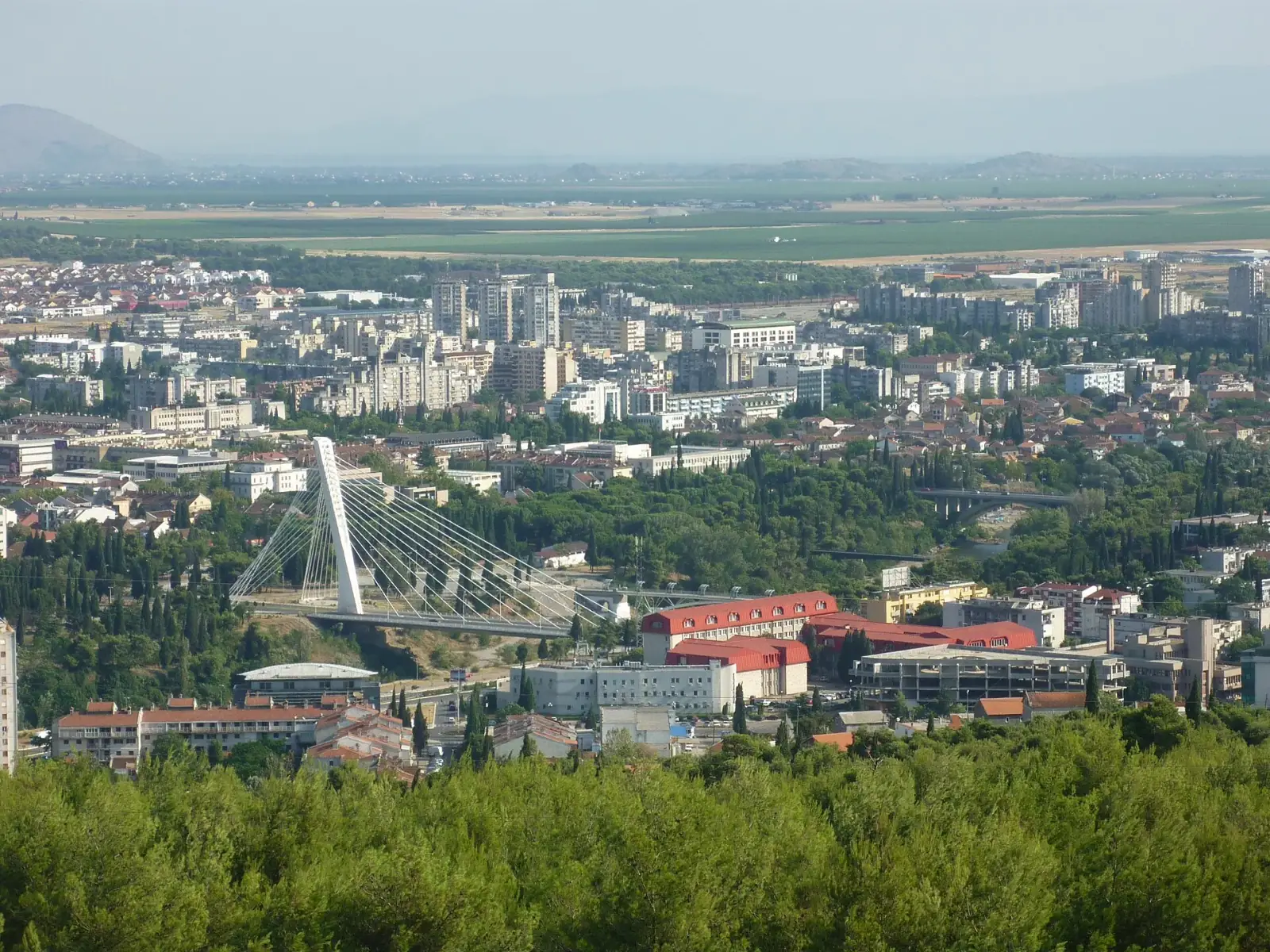
The city centre of Podgorica is compact and walkable. Most cafes, restaurants, coworking spaces, and shops sit within a 20-minute walk of each other. You can go weeks without needing a vehicle if you live centrally.
City buses cover outer neighborhoods for $1 per ride. Routes are not always intuitive for newcomers, so check Google Maps for live routing. Bolt operates reliably here and is the most comfortable option for cross-town trips, especially at night or in summer heat. A typical Bolt ride within the city is $2.50-6.
Airport: Podgorica Airport (TGD) sits about 12 km from the centre. The quickest option is a taxi or Bolt for a flat $17, taking 15 minutes. The Airport City Express shuttle bus links the airport to the main bus and train station for around $3-3.50, though it runs on a flight schedule rather than fixed hours. You do not need a car to live in Podgorica.
Intercity buses and trains connect Podgorica to Budva (1.5 hours), Kotor (2 hours), Bar (1 hour), and Belgrade. The bus station is central and easy to use.
Sorting transport? Book an airport transfer, or compare car rental on Auto Europe and QEEQ.
Visas and Staying Long-Term
Citizens of the US, UK, Canada, Australia, and all EU/EEA countries can enter Montenegro visa-free and stay up to 90 days within any 180-day period without a visa. No pre-travel application is required.
Montenegro has an official Digital Nomad Visa (a temporary residence permit) valid for two years and renewable for a further two years. To qualify, you must earn at least $2,310 per month (three times the minimum wage), work remotely for non-Montenegrin clients, carry private health insurance, and hold a clean criminal record. You apply in person at the Ministry of Internal Affairs after arriving as a tourist, and processing takes around 40 days. The program was introduced with a stated end date of 2026.
Best Time to Visit
Podgorica has a transitional Mediterranean climate and holds the record as the rainiest capital in Europe, though most of that rain falls outside summer.
Spring (March to May) is the best window for remote work. Temperatures sit between 10-19°C (50-66°F), the city is green from winter rains, and there are no tourist crowds. April and May are particularly pleasant.
Summer (June to August) is hot and often brutal. Temperatures regularly exceed 35°C (95°F) and can push past 40°C (104°F) in peak heat events. Outdoor life becomes difficult during midday hours. If you work from an air-conditioned coworking space you can manage, but the heat is a real productivity drain.
Autumn (September and October) is the other sweet spot. The heat breaks, temperatures fall to 18-22°C (64-72°F), and the city returns to normal pace. September in particular is excellent.
Winter (November to February) is mild compared to central Europe, rarely dropping below 5°C (41°F), but it is overcast and rainy. Coworking infrastructure is fully open and the city is uncrowded, so it works well for heads-down work if you do not mind grey skies.
Pros and Cons
- Low cost of living by European standards, with the euro removing currency risk
- No language barrier in coworking spaces and many restaurants; English is widely spoken among younger locals
- Digitalna Fabrika is free and a serious working space
- Excellent day-trip access to the Bay of Kotor, Skadar Lake, Durmitor, and the Adriatic coast
- Digital Nomad Visa offers a real path to longer-term residence
- Safe, low-crime city with a relaxed daily pace
- Year-round viability as a base, unlike coastal towns that shut down in winter
- Brutal summer heat makes outdoor work or sightseeing miserable from July to mid-August
- Limited nomad community compared to hubs like Lisbon, Tbilisi, or Bali
- Cafe work culture is weak: most places are not built for laptop use
- Modest cultural scene; Podgorica is a workaday capital, not a city that dazzles
- Poor walkability to nature; the city itself is flat and urban, scenic areas require a vehicle or bus trip
- Air quality can dip in winter due to wood-burning and traffic in still weather
Who Podgorica Is Best For
Podgorica suits nomads who want a low-cost, low-stress European base with actual coworking infrastructure and the option to build longer-term residence through the Digital Nomad Visa. If you value affordability over a thriving expat scene, and you want quick access to some of the Balkans' best landscapes without paying Dubrovnik prices, Podgorica delivers. It works especially well for people who use the city as a home base and explore Montenegro's mountains and coast on weekends.
It is a strong fit for: budget-conscious solo workers, people road-testing Balkan living before committing to a longer stay, and anyone who genuinely needs a quiet, affordable city to focus rather than a social hub.
Skip Podgorica if you need a large international community, a buzzing cultural calendar, or a visually inspiring environment. If summer heat is a hard limit for you, time your visit for spring or autumn and be aware that working through July and August takes real discipline without strong air conditioning.