Cost of Living in Perast
Where this figure comes from. No cost survey covers Perast, so the $900 a month above is our own estimate rather than a measurement. On 416 of our 999 city guides the figure is built from a published Numbeo basket, a one-bedroom rent in the centre plus one person's monthly costs without rent, converted to USD; this city is not one of them. How we source everything.
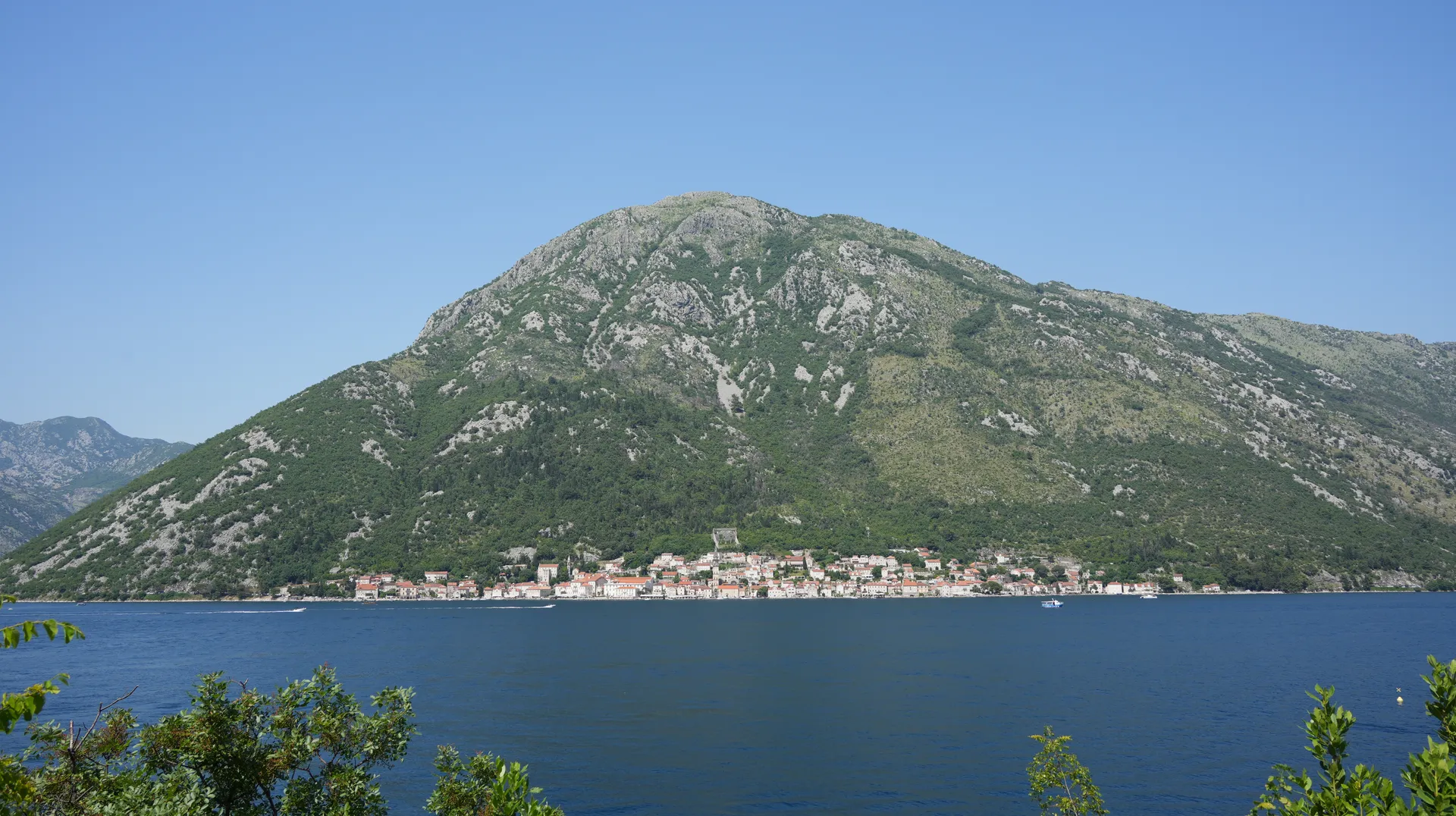
Perast is a tiny, elegant waterfront town, and its costs sit in an affordable-to-moderate band for the Montenegrin coast. A single nomad on a slow monthly stay can plan for roughly $800 to $1,500, with the range driven almost entirely by accommodation and how much you eat out on the promenade. Waterfront restaurants aimed at day-trippers charge more than everyday spots in nearby Kotor or Dobrota, so cooking from local markets and shopping in the larger towns stretches a budget noticeably. Shoulder-season and long-stay rates are far kinder than peak-summer tourist pricing.
- Monthly stay (studio or small apartment, off-peak long-let): roughly $500 to $900.
- Groceries for one, cooking mostly at home: about $220 to $320 a month.
- Casual meal in town: around $12 to $22; a waterfront seafood dinner runs higher.
- Coffee on the promenade: roughly $2 to $4; local bus to Kotor: a couple of dollars.
Where to Work in Perast
Anyone hoping to build a working routine here should know before booking that the town is not a work hub at all. There is no coworking space, no nomad scene, and the town is small enough to cross on foot in ten minutes. That said, day-to-day remote work is workable. Wifi in apartments and hotels is generally decent, and a handful of waterfront cafes will happily let you nurse a coffee with a laptop and a view of the two islets. The trade-off is that peak-season crowds, boat noise, and limited seating can make focused calls harder. For anything demanding, nearby Kotor and Tivat offer more cafes, faster connections, and actual coworking options a short bus ride away.
- Check the specific listing's wifi speed before booking; older stone buildings vary.
- Waterfront cafes work for light tasks; go early to claim a quiet table.
- Kotor (about 15 minutes) and Tivat have coworking and more reliable cafe setups.
- A mobile data plan is a cheap, sensible backup for video calls.
Getting Around Perast
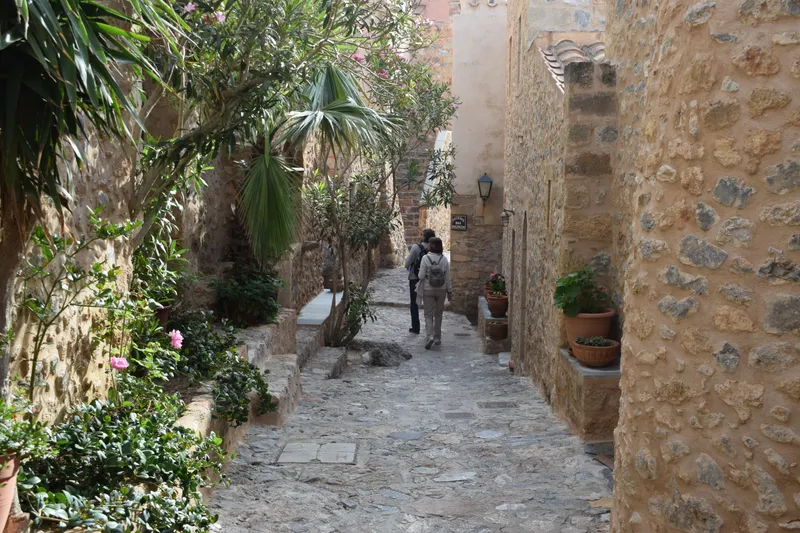
Perast itself is walked on foot. The waterfront is a pedestrian promenade with no through-traffic, and cars are kept to a parking area at the edge of town, so daily life happens on foot along the honey-stone lanes beneath Mount St Elijah. Small boats shuttle visitors out to Our Lady of the Rocks and Saint George, a short and lovely hop. For everything else, the Bay of Kotor road runs right past town, with frequent buses and taxis linking you to Kotor in about 15 minutes and onward to Tivat and Herceg Novi. A car is not needed in town but genuinely helps for exploring the wider coast and the mountains inland.
- On foot: the whole town, plus the upper lanes climbing toward St Elijah.
- By boat: quick trips to Our Lady of the Rocks and Saint George islets.
- By bus or taxi: Kotor (~15 min), Tivat, and Herceg Novi along the bay.
- Airports: Tivat is closest; Podgorica and Dubrovnik (Croatia) are alternatives.
Sorting transport? Book an airport transfer, or compare car rental on Auto Europe and QEEQ.
Visas for Perast
Perast follows Montenegro's national rules, so there is nothing town-specific to arrange. Many nationalities, including US, UK, EU, and numerous others, can enter Montenegro visa-free for tourism, commonly for up to 90 days, which covers a generous slow stay on the bay. Montenegro has also introduced a digital-nomad residence pathway for remote workers who want to stay longer and register formally, aimed at people employed by or contracting with companies outside the country. The digital-nomad permit has limits that shape any plan built on it: the income has to come from employers or clients outside Montenegro, the permit runs up to two years and can be renewed once, and after four years the holder must spend six months out of the country before applying again. Applications are made in person at the Interior Ministry office of the municipality you live in, which for Perast means Kotor.
- Tourist entry: commonly up to 90 days visa-free for many nationalities.
- Longer stays: Montenegro's digital-nomad residence route exists for remote workers.
Best Time to Visit Perast
Perast is at its best in late spring and early autumn. May, June, September, and early October bring warm, settled weather, swimmable water, and a calmer town, so you get the Baroque waterfront and the mountain-framed bay without the thickest crowds. High summer, July and August, is hot and busy: day-trippers pour in, the promenade fills, and prices peak, though the long light on the water is undeniably beautiful. Winter is quiet and mild by European standards, with soft light on the bay and few visitors, but expect some restaurants, boats, and services to scale back or close, and rain is more frequent. For a working-and-slow-living stay, aim for the shoulder seasons. One summer date belongs to Perast alone. On 22 July, at the Fašinada, local boats decked with greenery sail out at sunset to the church islet and drop stones around its edge, a custom that goes back to the 15th century, when the island itself was built up the same way; it is a community rite rather than a show, and worth being on the waterfront for.
- Late spring and early autumn: warm, calmer, ideal for a slow stay.
- July and August: hot, scenic, crowded, and the most expensive.
- Winter: mild, quiet, and moody, but with reduced services and closures.
Pros and Cons of Perast
Perast trades convenience for beauty, and knowing that up front saves disappointment. On the upside, it is one of the most photogenic spots on the whole Adriatic: a compact town of palazzos, churches, and campaniles strung along a calm, fjord-like bay, with excellent seafood, warm summers, strong safety, and good value once you skip the tourist-facing restaurants. The downsides are equally real. It is tiny, seasonal, and heavily touristy in peak months, with quiet nightlife, no nomad community, and limited everyday services that push you toward Kotor and Tivat. If you need bustle, coworking, or nightlife, this is not your base; if you want calm and scenery, it delivers in full. Cruise traffic shapes the days more than the calendar does. Ships heading for the walled town at the end of the bay sail right past the two islets, and on the summer days when two or three are in port the boat trips and the promenade fill by mid-morning; the port's cruise schedule is published well ahead, which makes it easy to keep those days for work.
- Pros: stunning Bay of Kotor setting, Baroque heritage, seafood, safety, good value.
- Pros: walkable, peaceful, and easy to reach Kotor and the wider coast.
- Cons: tiny and touristy, thin nightlife, no nomad scene, limited services.
- Cons: strongly seasonal, with some winter closures and peak-summer crowds.
Who Perast Is For
Perast suits the traveler who treats work as the backdrop and the bay as the point. It is ideal for a romantic couple, a solo slow-traveler, or a remote worker who can front-load focused hours and then unwind on the water, someone who values calm, beauty, and good food over nightlife and networking. It rewards patience with a place, long walks, boat trips to the islets, and day runs into Kotor for supplies and buzz. It is a poor fit for anyone chasing a nomad community, a coworking routine, or a lively social calendar, and for those who need big-city services on their doorstep. Come for a scenic, unhurried chapter, not a productivity sprint. Expect a village rather than a town: the 2023 census counted 237 residents, so in winter the neighbours you pass on the promenade are most of the population.