Cost of Living in Phong Nha
Where this figure comes from. No cost survey covers Phong Nha, so the $600 a month above is our own estimate rather than a measurement. On 416 of our 999 city guides the figure is built from a published Numbeo basket, a one-bedroom rent in the centre plus one person's monthly costs without rent, converted to USD; this city is not one of them. How we source everything.
Phong Nha is one of the most affordable bases in Vietnam, largely because it is a rural village economy built around homestays, farm-bars and cave tourism rather than a big-city rental market. A comfortable slow-travel budget runs roughly $500 to $1,000 a month for one person, and many nomads land near the lower end by staying in a family homestay and eating local. Rooms are the swing factor: a simple long-stay homestay room can be very cheap, while a boutique bungalow with air conditioning and a pool costs more. Food is a bargain, with local Quang Binh dishes, noodle soups and grilled fare costing a few dollars a plate. Beer and coffee are inexpensive, and motorbike rental is minor. Keep in mind that choice is limited, imported goods are pricier, and tours into the caves are a real, worthwhile line item.
- Long-stay homestay or guesthouse room: roughly $150 to $400 per month
- Local meals: about $2 to $5; a sit-down dinner with drinks stays low
- Motorbike/scooter rental: around $5 to $8 a day, cheaper by the month
- Cave tours and treks: a genuine extra, from modest boat trips to premium multi-day expeditions
Where to Work in Phong Nha
Weigh your workload before you book: Phong Nha pays off on the days the laptop stays shut, and it pushes back hard against a deadline-heavy schedule. There is no dedicated coworking space, so your desk is a homestay balcony, a garden cafe or a bar with a view of the karst. Wifi is genuinely variable across the rural homestays and cafes, and a countryside power or connection wobble is normal, so plan for redundancy rather than assuming a stable line. The practical fix is a local SIM: buy a Viettel SIM with a generous data package, since Viettel has the widest rural coverage, and use it to tether when the house wifi drops. Always ask your accommodation about real-world speeds before booking a long stay, and test on arrival. This works well for async, writing and light calls, but poorly for heavy uploads or back-to-back video meetings.
- Buy a Viettel SIM with data for the most reliable rural signal and tethering backup
- Ask homestays for actual wifi speeds and a photo of a speed test before booking long
- Cafes and bar-restaurants in the village and Bong Lai valley are the closest thing to workspaces
- Treat it as a place to unplug and slow-travel, not a base for constant video calls
Getting Around Phong Nha
Phong Nha is spread out across a village center, farm-lined valleys and roads leading to the caves, so mobility matters. The classic choice is a rented motorbike or scooter, which gives you the freedom to explore the Bong Lai valley, ride out to Paradise Cave and reach quiet countryside spots on your own schedule. Bicycles work well for shorter loops through the rice paddies if you prefer something slower. Taxis and Grab are limited here compared with big cities, so do not count on hailing a ride on demand; homestays can usually arrange a car or a driver. For arrivals and departures, Dong Hoi is the gateway: its train station sits on the main north-south line, and Dong Hoi airport (VDH) is about 45 minutes away, connecting to Hanoi, Hue and Da Nang. Cave access is by organized boat trips and guided tours.
- Rent a motorbike or scooter for the valley, the caves and countryside freedom
- Bicycles suit shorter, slower loops through the rice paddies
- Taxis and Grab are scarce; have your homestay arrange a car when needed
- Dong Hoi train station and airport (VDH, about 45 minutes) link to Hanoi, Hue and Da Nang
- Boats on the Son River and guided tours are how you reach the caves
Sorting transport? Book an airport transfer, or compare car rental on Auto Europe and QEEQ.
Visas for Phong Nha
Phong Nha follows Vietnam's national visa rules, so nothing here is local or special. The most common route for nomads is the Vietnam e-visa, which is applied for online and now allows stays of up to 90 days for many nationalities, with single or multiple entry options. Separately, Vietnam grants short visa-free entry to citizens of a number of countries, though the exempt period is usually shorter than the e-visa window, so most people planning a longer countryside stay opt for the e-visa. Overstaying carries fines, so track your permitted days and any entry-count limits carefully.
- Vietnam e-visa: applied for online, now up to 90 days for many nationalities
- Visa exemption exists for some passports but typically for a shorter window
- Choose single or multiple entry if you plan side trips out of the country
Best Time to Visit Phong Nha
Timing shapes your whole experience here, because the caves and karst landscape are weather-dependent. The dry season, roughly February to August, is the best window for cave tours and jungle trekking, with more reliable conditions and clearer river trips; note that some caves close during the wet months when water levels rise, so this is the season for the big adventures. September to November is the rainy and flood season in this part of north-central Vietnam, when heavy rain can close caves, disrupt tours and flood low-lying areas, so it is the riskiest time to plan a tight itinerary. Winter, roughly December to January, is cooler and can still be wet, which some travelers enjoy for quieter, moodier scenery. If your trip centers on caving and trekking, aim squarely for the dry months.
- February to August: driest and best for caves, trekking and river trips
- September to November: rainy and flood season; caves may close and tours cancel
- December to January: cooler winter that can still bring wet spells
- Some caves shut in high water, so check seasonal opening before booking a specific one
Pros and Cons of Phong Nha
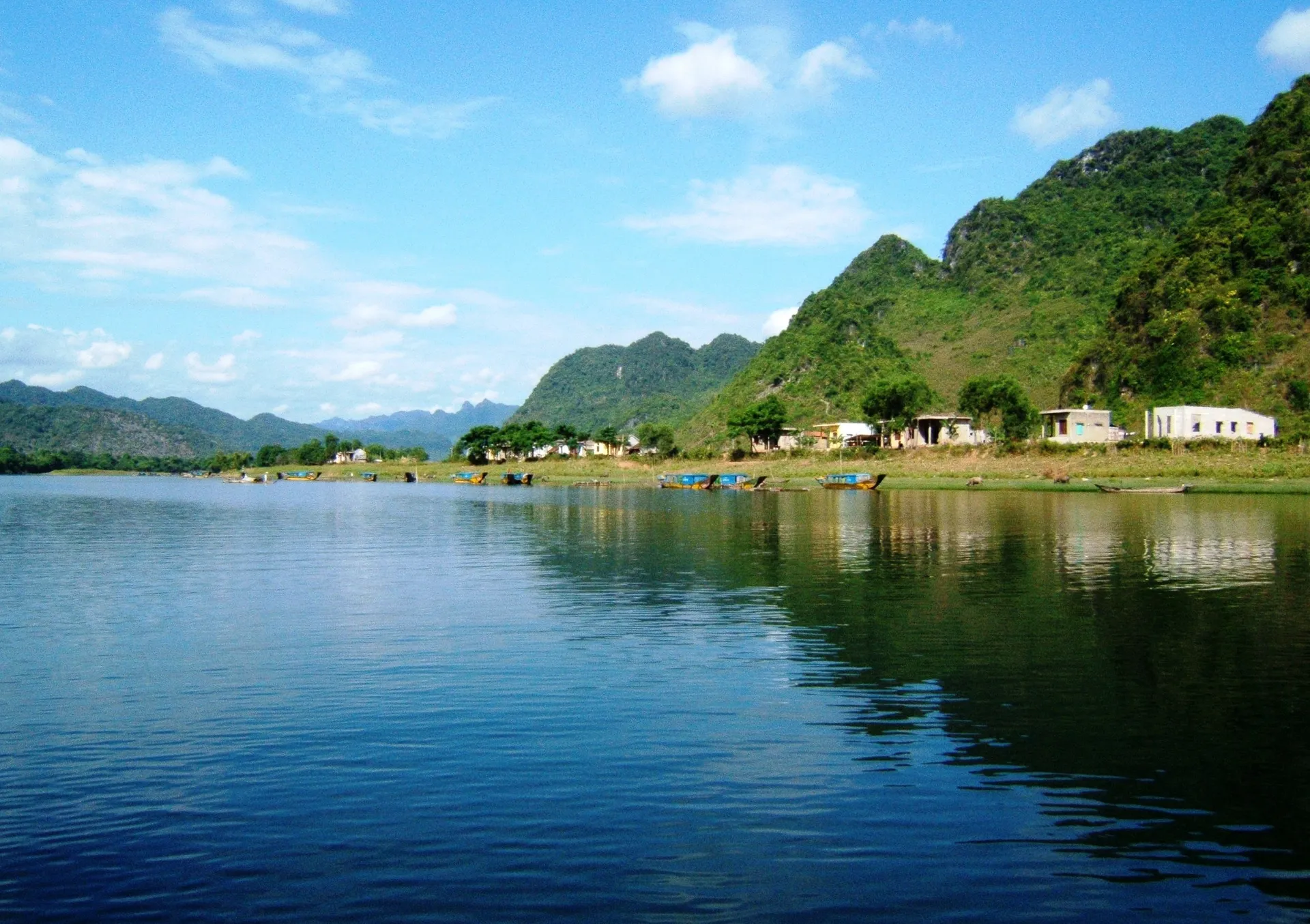
Phong Nha rewards a very specific kind of traveler and frustrates another. On the upside, the setting is genuinely world-class: limestone mountains, jungle, rice paddies and some of the largest caves on earth sit right on your doorstep, all at a remarkably low cost and with warm, family-run homestay hospitality. It is peaceful, unhurried and a real escape from crowded city life. The trade-offs are just as real. This is a small, quiet, spread-out rural area with basic infrastructure, variable wifi, near-zero nightlife and only a small traveler and nomad scene, so it can feel isolated for a stretch. The rainy season adds unpredictability. Weigh what you actually want: if you crave nature, adventure and calm, the pros dominate, but if you need reliable connectivity, social buzz and city convenience, the cons will wear on you.
- Pros: extraordinary cave-and-karst nature, very low cost, friendly homestay culture, deep calm
- Pros: excellent base for slow, nature-first adventure travel
- Cons: variable wifi and basic small-town infrastructure
- Cons: small, quiet scene, minimal nightlife, and a disruptive rainy and flood season
Who Phong Nha Is For
Phong Nha is for the nature-and-adventure slow traveler who treats their laptop as a light companion rather than the center of the day. It suits writers, async workers and creatives who can front-load their online tasks and then disappear into caves, valleys and jungle trails, and it is a dream for anyone chasing UNESCO-grade scenery on a shoestring. It is a poor fit for anyone with heavy deadlines, constant video calls or a need for fast, dependable internet and a busy social scene. Couples and solo travelers who love the outdoors will thrive; digital nomads who define a good base by cafes, coworking and nightlife will feel stranded. Come with realistic expectations, a Viettel SIM, a rented scooter and time to spare, and Phong Nha becomes one of the most memorable, restorative stops in Vietnam.
- Great for: nature lovers, adventurers, cavers, writers and async slow travelers
- Great for: budget-minded travelers who value calm over convenience
- Not for: deadline-heavy workers who need fast, reliable wifi and constant calls
- Not for: anyone who wants nightlife, coworking and a large social scene