Cost of Living in Papeete
Where this figure comes from. No cost survey covers Papeete, so the $2,800 a month above is our own estimate rather than a measurement. On 416 of our 999 city guides the figure is built from a published Numbeo basket, a one-bedroom rent in the centre plus one person's monthly costs without rent, converted to USD; this city is not one of them. How we source everything.
Budget around $2,800 a month as a solo remote worker in Papeete, which makes French Polynesia one of the most expensive places in this batch and among the most expensive in the Pacific. A one-bedroom place runs roughly $1,200 to $1,900. The cost of imported food is the standing local grievance and has driven protests more than once; a supermarket shop costs far more than in mainland France, which is where much of it comes from. The CFP franc is pegged to the euro. Eating from the roulottes, the food trucks that fill the waterfront at dusk, is the way locals manage it. This is our own estimate rather than measured data. Local produce is the exception that makes a budget work. Fish, breadfruit, taro and tropical fruit bought at the market or from roadside stalls cost a fraction of the imported equivalent, and a diet built around them is a different financial proposition from one built around the supermarket. Electricity is expensive. Long leases work out cheaper per month than anything advertised to visitors, and rents fall noticeably away from the Papeete side of the island, which is part of why so many people commute.
Where to Work in Papeete
French Polynesia is served by the Honotua and Natitua submarine cables, which give Tahiti connectivity well above the Pacific norm, and fibre reaches Papeete at good speeds. Prices are high. Mobile data from Vini and Vodafone covers the populated coast. Power is reliable. There is a small amount of coworking in Papeete. French is the language of everything administrative and commercial, with Tahitian widely spoken; English is limited outside the tourism industry, which is the main practical filter here. Tahiti sits ten hours behind Paris, which is an awkward overlap with France. The offset that does work runs toward the Americas. Tahiti sits close to the United States west coast in time, which makes a Californian working day entirely manageable from here and is the single most useful scheduling fact about the territory. Business structures are French, so anyone already registered as a freelancer in France can operate here without reinventing anything. Connectivity drops away sharply outside Tahiti and Moorea, and while the Natitua cable has reached parts of the Tuamotus and Marquesas, an outer-island stay should be planned as a low-bandwidth one.
Getting Around Papeete
Papeete sits on the northwest coast of Tahiti and its centre, around the market and the waterfront, is walkable. Le Truck buses and their modern replacements cover the island's coastal road cheaply. Most residents drive and traffic into Papeete at peak is genuinely bad for a city this size. The ferry to Moorea takes thirty minutes and runs constantly, which is why many people who work in Papeete live there instead. Faa'a airport is on the edge of the city with flights to Paris, Los Angeles, Auckland, Tokyo and the outer archipelagos. Tahiti is really two islands joined at an isthmus, and the road rings the larger one in about four hours of easy driving, passing the surf at Teahupoo on the smaller. Inter-island flights are the main cost of exploring the territory and they add up quickly, which is why the Aranui, the mixed cargo and passenger ship serving the Marquesas, remains a genuinely popular way to reach the far archipelagos. Cycling the coast road is a pleasure outside the Papeete rush hour and thoroughly unpleasant inside it.
Sorting transport? Book an airport transfer, or compare car rental on Auto Europe and QEEQ.
Visas for Papeete
French Polynesia is an overseas collectivity of France but is not in the Schengen area, so Schengen rules and Schengen day counts do not apply here. European Union citizens have freedom of movement and can live and work without a permit. Most other Western nationalities receive ninety days visa-free. There is no dedicated remote work visa. Longer stays for non-EU citizens run through a French long-stay visa applied for before travel, and the process is the French one, which is thorough. The separation from Schengen is the detail that catches people out in both directions. Both directions are worth spelling out, since that sentence hides the two mistakes people actually make. A Schengen visa does not admit you here, and a French visa has to be endorsed for French Polynesia specifically, which is checked at boarding rather than on arrival. Meanwhile time spent here does not consume a Schengen allowance, which makes the territory useful as a genuine pause for anyone managing that clock. For Europeans, freedom of movement covers residence, while some local employment is subject to territorial preference rules protecting the local labour market.
Best Time to Visit Papeete
May to October is the dry season and the comfortable window, with daytime temperatures around twenty-eight, lower humidity and the calmest water. November to April is the wet season, hotter and more humid, with the cyclone risk concentrated in January and February, though French Polynesia is hit less often than the western Pacific. July is the Heiva festival, a month of dance and sport competitions that is the cultural event of the year and fills accommodation across the islands. Humpback whales pass between roughly August and October. Anyone planning the Tuamotus should also know that the diving there peaks with the grouper aggregation at Fakarava in June and July. The surf follows the opposite pattern to the tourism. The southern swells that make Teahupoo what it is arrive between roughly May and September, which happens to coincide with the dry season and the crowds. The wet months are the value window, with lower fares and emptier hotels, and the rain typically arriving as afternoon downpours rather than lost days. Anyone flexible on timing gets substantially more island for the money between November and March.
Pros and Cons of Papeete
Tahiti is the gateway to 118 islands across five archipelagos, with Moorea thirty minutes away by ferry, Bora Bora and the Tuamotu atolls beyond, and some of the best diving in the world at Fakarava and Rangiroa. The connectivity is unusually good for the Pacific and the French administration means the infrastructure works. The cost of living here is severe, French is close to necessary in practice, Papeete itself is a busy port city that most visitors pass through rather than stay in, and everything beyond Tahiti costs another flight. The cost of living has also been a live political issue for years, and the protests over food prices are a recurring feature rather than a one-off. France conducted nearly two hundred nuclear tests at Moruroa and Fangataufa between 1966 and 1996, and the health and compensation consequences are still a subject of active political argument here. On the practical side, healthcare in the capital is French-standard, which is a genuine and unusual advantage this far into the Pacific.
Who Papeete Is For
The Pacific with functioning infrastructure, for a French speaker, ideally an EU citizen who can stay without a permit, and who can absorb the prices. Divers get more from the Tuamotus than from almost anywhere on earth. Nothing here is transacted in English, Polynesian prices will overwhelm a budget quickly, and anybody who pictured Bora Bora has confused the postcard with the capital: this is a working city of traffic, container ships and a very large port. Most people who stay a while end up living on Moorea and commuting by ferry. A European passport removes the visa problem that makes most Pacific bases awkward, and the combination of French Polynesia with EU documents is rarer and more useful than it first appears. Sailors are the other group who belong here, since Tahiti is the great crossroads of the Pacific crossing and the harbour fills each season with boats making the passage. Anyone comparing Pacific bases will find Hawaii better connected and cheaper to reach from North America, Fiji cheaper outright, and French Polynesia unmatched for the water itself. It rewards months rather than weeks, because the cost of getting here is only justified by staying a while.
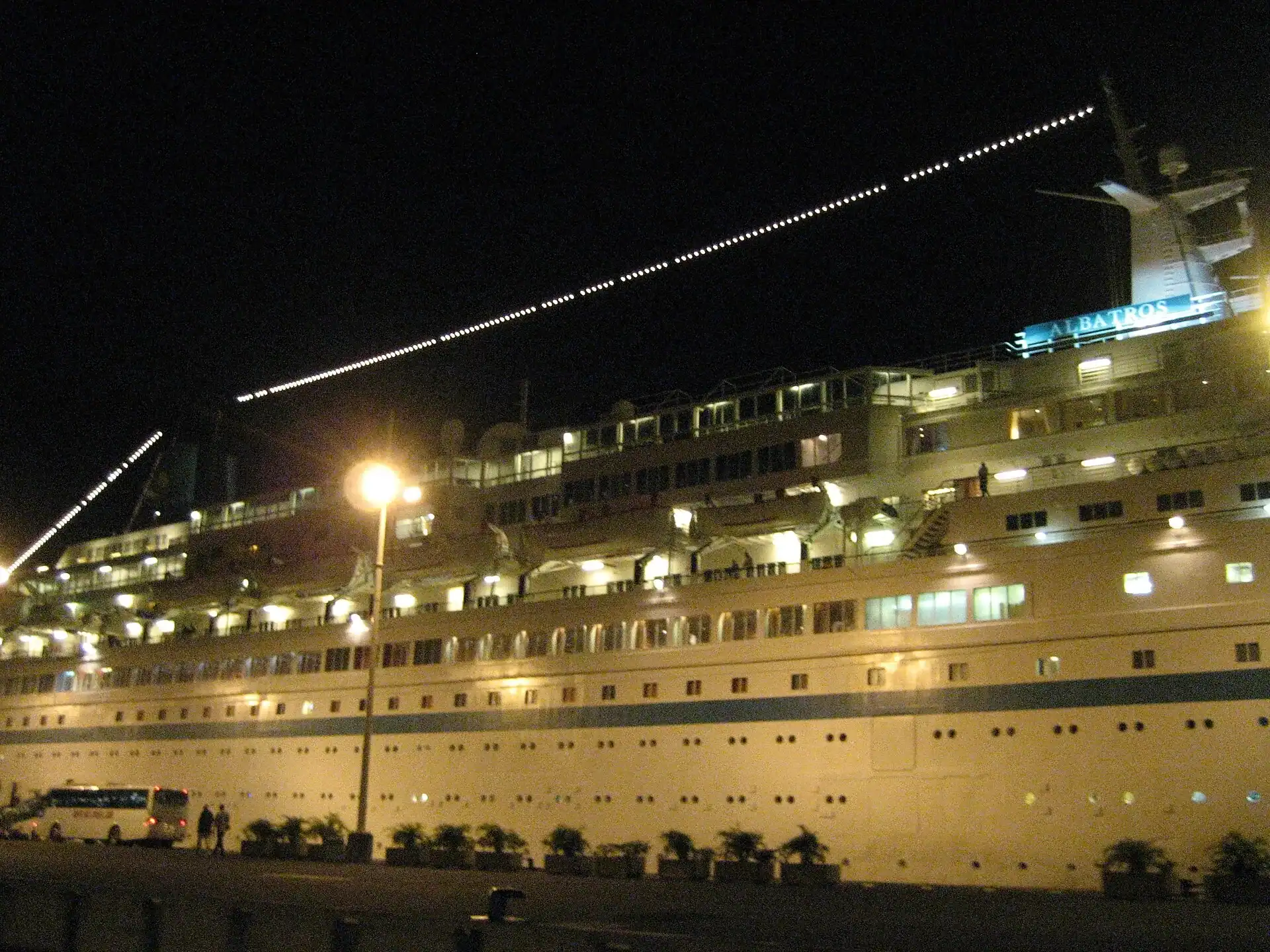 Photo: Peter Gill / UK / Wikimedia Commons (CC BY 3.0)