Cost of Living in Fort-de-France
Where this figure comes from. No cost survey covers Fort-de-France, so the $1,900 a month above is our own estimate rather than a measurement. On 416 of our 999 city guides the figure is built from a published Numbeo basket, a one-bedroom rent in the centre plus one person's monthly costs without rent, converted to USD; this city is not one of them. How we source everything.
Budget around $1,900 a month as a solo remote worker in Fort-de-France, which sits at much the same level as Guadeloupe and reflects the same French department cost structure. A one-bedroom place runs roughly $700 to $1,200, with Schoelcher and the Pointe du Bout side at the top of that. Imported food is expensive and the price of it has driven repeated protest movements across the French Caribbean. The market and the local snack bars are far cheaper. The euro is the currency. This is our own estimate rather than measured data. The mechanism behind the prices has a name: the octroi de mer, a dock duty levied on goods arriving in the overseas departments, which funds local government and adds to the shelf price of nearly everything imported. It is why a supermarket basket here costs so much more than the same basket in mainland France, and it is the central grievance in the recurring cost-of-living campaigns. On the credit side of it, healthcare and schooling run on the French system, removing two costs that dominate budgets elsewhere in the region, and a car, while close to essential, is insured and serviced at French rather than island prices.
Where to Work in Fort-de-France
Martinique's infrastructure is European: fibre reaches most of the developed west coast at good speeds, mobile coverage is comprehensive and French plans roam here without charge. Power is reliable. There is a small coworking scene in Fort-de-France and around Le Lamentin. French is the language of everything, with Martinican Creole spoken among locals, and English is limited outside the tourism industry. Anyone working with Europe will find the five-hour offset behind Paris workable in one direction and awkward in the other. Anyone in the rum trade will find genuine professional depth here, since Martinique produces the only appellation-controlled rum in the world. The offset that does work is westward. Martinique sits an hour ahead of New York, so a full North American business day is available without any early start, which makes the island a far better base for anyone working with the Americas than for anyone tied to Paris hours. Setting up as a freelancer uses the same French structures and online portals as the mainland, a genuine administrative advantage over every independent state in the region. Storm season is the one infrastructure caveat, since a serious hurricane takes power and networks down for days.
Getting Around Fort-de-France
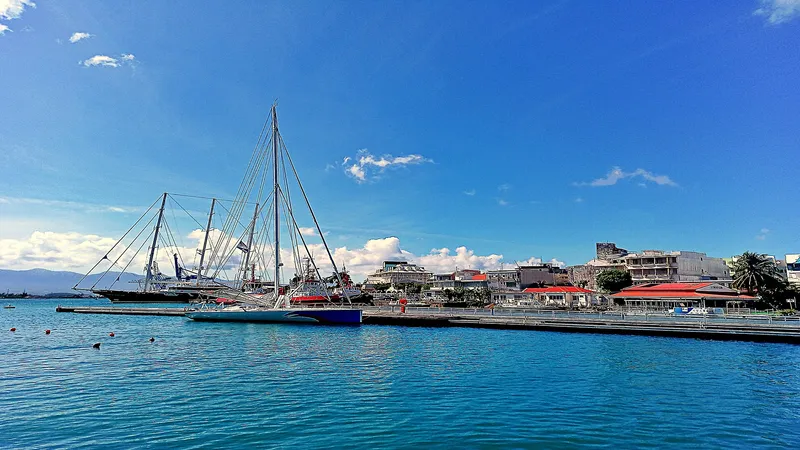
Fort-de-France is built around a bay with the Savane park and the extraordinary Schoelcher Library at its centre, and the core is walkable. A ferry crosses the bay to Trois-Ilets and Pointe du Bout in twenty minutes, which is faster and pleasanter than driving around. Buses cover the island and most residents drive; the road north to Saint-Pierre and the Route de la Trace through the rainforest are both excellent drives. The airport has direct flights to Paris and across the region. The ferry across the bay is also the cheapest way to reach the beaches of the south, which are considerably better than anything in the city itself. The other boat worth knowing is the inter-island fast ferry, which runs to Dominica, Saint Lucia and Guadeloupe and turns a set of separate countries into day or weekend trips. On land, the morning traffic into the city from the suburbs is genuinely bad for an island this size and parking in the centre is difficult, which is a large part of why people who work in town so often live across the water and take the boat instead.
Sorting transport? Book an airport transfer, or compare car rental on Auto Europe and QEEQ.
Visas for Fort-de-France
Martinique is an overseas department of France and part of the European Union while sitting outside the Schengen area. European Union citizens can live and work here with no permit and no time limit, which is the single most useful fact about the island for any European reading this site. Most other Western nationalities receive ninety days visa-free. Non-EU citizens wanting longer need a French long-stay visa applied for before travel, and the process is the French one rather than a Caribbean one. Anyone travelling on to Saint Lucia or Dominica, both visible from the island on a clear day, should note those are separate countries with their own rules. The corollary of sitting outside Schengen is worth spelling out. Days spent in Martinique are not counted against a Schengen allowance, so a non-European can use the island as a real pause inside a longer European itinerary rather than as part of the same clock. A Schengen visa alone does not admit you, and a French visa has to name the overseas departments to be valid here, which is the detail that catches people at check-in rather than on arrival.
Best Time to Visit Fort-de-France
December to April is the dry season, with daytime temperatures around twenty-eight and lower humidity, and it is the busiest window. June to November is the wet season and the hurricane season runs through it. Carnival, running for the five days before Ash Wednesday and ending with the burning of Vaval, is the island's largest event and quite unlike the Trinidadian version. The rainforest north of the island is wet in any season, which is why Mount Pelee is so often in cloud. The Tour des Yoles, a race of traditional sailing boats around the island each summer, is the sporting event Martinicans care about most. Sargassum seaweed affects the Atlantic-facing east coast in some years between roughly March and August, while the Caribbean side where most people stay is largely spared. And if the volcano is the reason for the trip, climb early: the summit is usually clear at dawn and wrapped in cloud by the middle of the morning, so an afternoon attempt almost always ends in white. May and November are the value months, either side of the crowds.
Pros and Cons of Fort-de-France
Martinique has Mount Pelee, whose 1902 eruption destroyed Saint-Pierre and killed thirty thousand people in minutes, leaving ruins you can walk through, along with rainforest, rum distilleries producing the only appellation-controlled rum in the world, and the Caribbean's most developed restaurant culture outside Trinidad. European infrastructure and no visa question for Europeans. French is essential, and costs are both high and contentious, and Fort-de-France has real urban problems of the kind the tourist brochures do not mention. The island also produced Aime Cesaire and Frantz Fanon, whose work shaped how the whole francophone world thinks about colonialism, and both are taken seriously here. Chlordecone, a pesticide used in the banana plantations for two decades after it had been banned elsewhere, has contaminated a large share of the soil and the coastal waters and will persist for centuries. It has brought fishing restrictions in some areas, elevated cancer rates, and a long-running political dispute with Paris over responsibility. It does not make the island unsafe to visit, and it is a live subject that anyone staying should expect to hear about.
Who Fort-de-France Is For
French, ideally with a European Union passport behind it, and a wish for the Caribbean with functioning institutions and a serious food and rum culture. Anyone interested in volcanology will find Pelee and the ruins of Saint-Pierre remarkable. French is required rather than useful in a French department, and Martinique carries European prices with Caribbean shipping costs on top of them. Most long-stay visitors base themselves in Trois-Ilets or the south rather than in the capital, which is worth knowing before booking a flat in the city. Rum treated as a subject rather than a drink is well served on this island. The distilleries are working agricultural businesses that happen to admit visitors, rather than visitor attractions that happen to distil. Anyone choosing between the two French islands is choosing character rather than quality. Guadeloupe is wilder and more spread out across its two joined halves; Martinique is more urbane, better served by restaurants and easier to move around. Hikers do well here, since the trails on the volcano and through the northern rainforest are properly maintained in a way that is unusual in the region. Families benefit from the schooling and the healthcare, which is why so many French professionals take postings here.
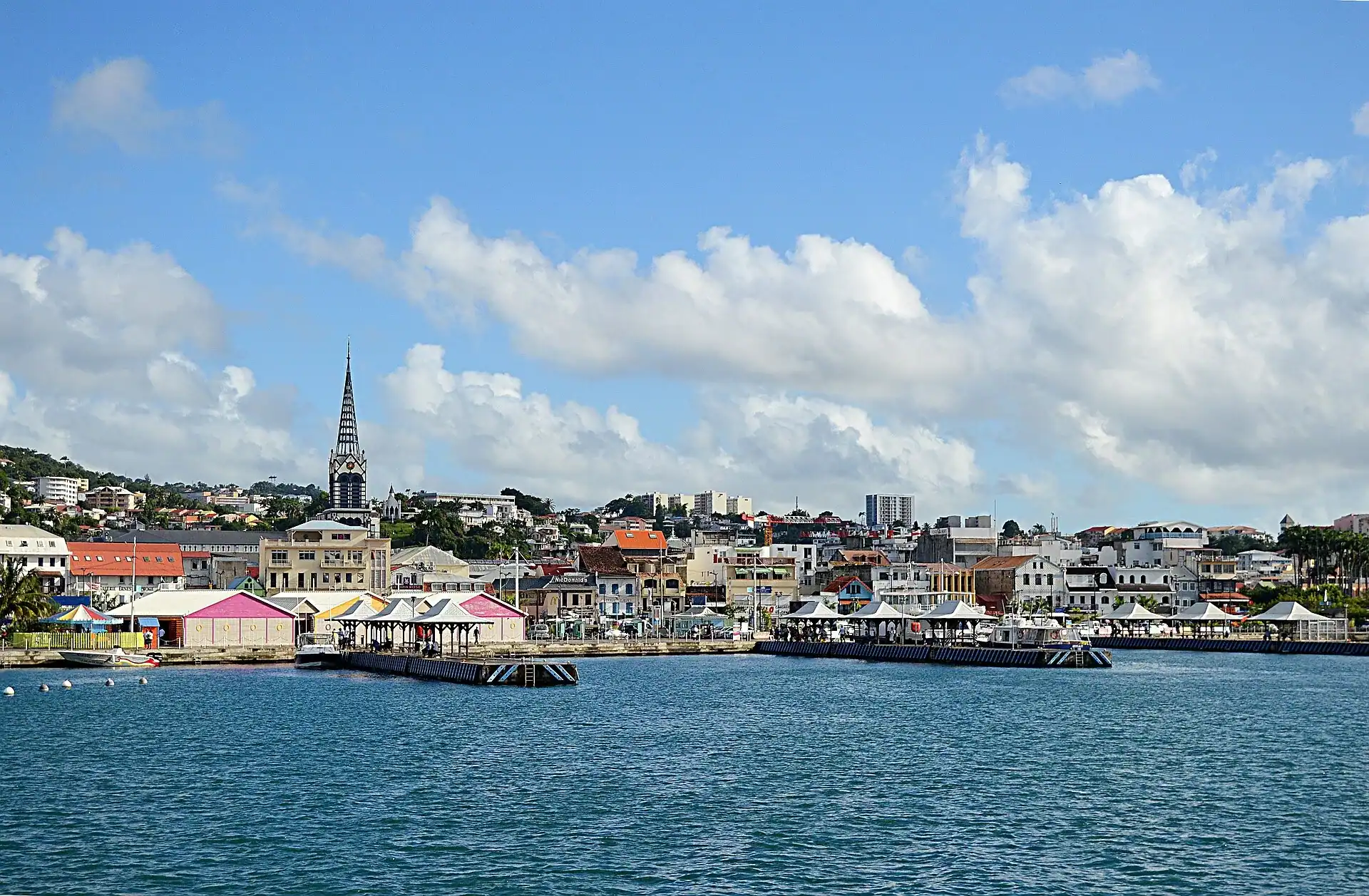 Photo: Scott S Bateman / Wikimedia Commons (CC BY-SA 4.0)