Cost of Living in Santa Teresa
Where this figure comes from. No cost survey covers Santa Teresa, so the $1,400 a month above is our own estimate rather than a measurement. On 416 of our 999 city guides the figure is built from a published Numbeo basket, a one-bedroom rent in the centre plus one person's monthly costs without rent, converted to USD; this city is not one of them. How we source everything.
Let us be honest: Santa Teresa is no longer a cheap Costa Rican beach town. Prices have climbed sharply over the past decade as the town has gone upscale, and a comfortable nomad month here typically lands between $1,200 and $2,200, sometimes more in high season or in a nicer villa. Rent is the biggest swing, with a modest studio or shared jungle house at the low end and a stylish one-bedroom near the beach at the top. Imported goods, restaurant meals and beach-club days add up quickly, so budget accordingly if you want the full lifestyle. Eating out costs more than the menu suggests, because national law adds a 13% sales tax and a 10% service charge to restaurant bills. A dinner listed at $20 therefore comes to about $25. Healthcare is the other hidden line: the nearest public hospital is across the gulf in Puntarenas, so an insurance policy that pays for a medical transfer earns its premium here.
- Rent: roughly $650 to $1,400 for a studio or one-bedroom, higher near the beach.
- Coworking day pass: around $12 to $20; monthly memberships bring the rate down.
- A casual soda (local eatery) meal: $7 to $12; a beach-club dinner: $20 to $40.
- Groceries: pricier than mainland Costa Rica because everything trucks in over the rough road.
Where to Work in Santa Teresa
Santa Teresa has grown a genuine remote-work scene, not just a couple of cafes with wifi. You will find a handful of dedicated coworking spaces plus plenty of laptop-friendly cafes strung along the main road, and a real, welcoming nomad community that makes it easy to find collaborators, surf partners and friends. Wifi is decent by beach-town standards and fine for most calls and everyday work, but it can be variable, especially in the wet season or during a power blip, so treat a strong connection as a bonus rather than a guarantee. Bring a backup local SIM with a solid data plan so you are never fully offline before an important call.
- Use coworking spaces for reliable air-conditioned focus and fast, stable wifi.
- Cafes work well for lighter tasks and a change of scene.
- Carry a Kolbi or Claro SIM as a hotspot backup for critical meetings.
- Schedule big video calls for mornings, when connections tend to be most stable.
Getting Around Santa Teresa
Santa Teresa is essentially one long, partly unpaved coastal road, and life happens along it. Most people get around on foot, by bicycle, or by scooter and ATV, which are the true local transport and easy to rent by the day or month. The road is famously dusty in the dry season and muddy in the wet, so expect a workout for your laundry either way. For heavier loads or wet nights, 4x4 taxis are plentiful. Getting here from San Jose is a half-day journey in either direction: either drive and take the ferry from Puntarenas, or fly the short hop to Tambor airstrip and transfer in by road. That crossing to Paquera takes roughly an hour on the water, followed by about another hour of road south through Cóbano. In town, the junction at Playa Carmen, where the Cóbano road meets the coast, holds the supermarkets and cash machines, with Mal País running south from it and Santa Teresa stretching north.
- Rent an ATV or scooter for the most freedom; helmets and caution are essential on the dusty road.
- 4x4 taxis are reliable but add up over a month.
- Ferry from Puntarenas plus a drive is the classic route from San Jose.
- Flying into Tambor saves time but costs more.
Sorting transport? Book an airport transfer, or compare car rental on Auto Europe and QEEQ.
Visas for Santa Teresa
Most nomads arrive on Costa Rica's standard tourist entry. Since September 2023, US, Canadian and EU passport holders can be granted up to 180 days per visit, at the immigration officer's discretion, with an onward ticket and proof of at least $100 a month in funds. For a more stable base, Costa Rica's remote-worker visa under Law 10008 is a non-resident stay category, separate from the rentista residence: it asks for at least $3,000 a month in income, or $4,000 with family, plus health insurance for the whole stay. It runs one year and can be renewed once, provided you spent at least 180 days in the country in the first year.
Best Time to Visit Santa Teresa
The dry season, December to March with April on the edge, is the classic window and the busiest: reliably sunny days, gorgeous sunsets, prime beach time and consistent, well-groomed surf. It is also when prices peak and the town fills up, so book accommodation early. The green or wet season, running May to November, brings lush jungle, quieter beaches, noticeably lower prices and its own kind of magic, with mornings often clear and rain arriving in warm afternoon bursts. Surf stays fun year-round. If you want guaranteed sun and social energy, come in the dry months; if you prefer calm, value and a moody green landscape, the wet season rewards you. Surfers read the calendar the other way round: the bigger, more consistent south swells arrive in the green season, while dry-season waves are smaller and cleaner, which suits beginners. The dry months also strain the local water supply, and parts of town have had taps rationed late in the season, so ask a landlord whether the house has a storage tank.
- December to March, often into April: sunniest, busiest, priciest, prime surf and beach.
- May to November: lush, quieter, cheaper, with afternoon rain.
- Shoulder months like May and November often balance value and decent weather.
Pros and Cons of Santa Teresa
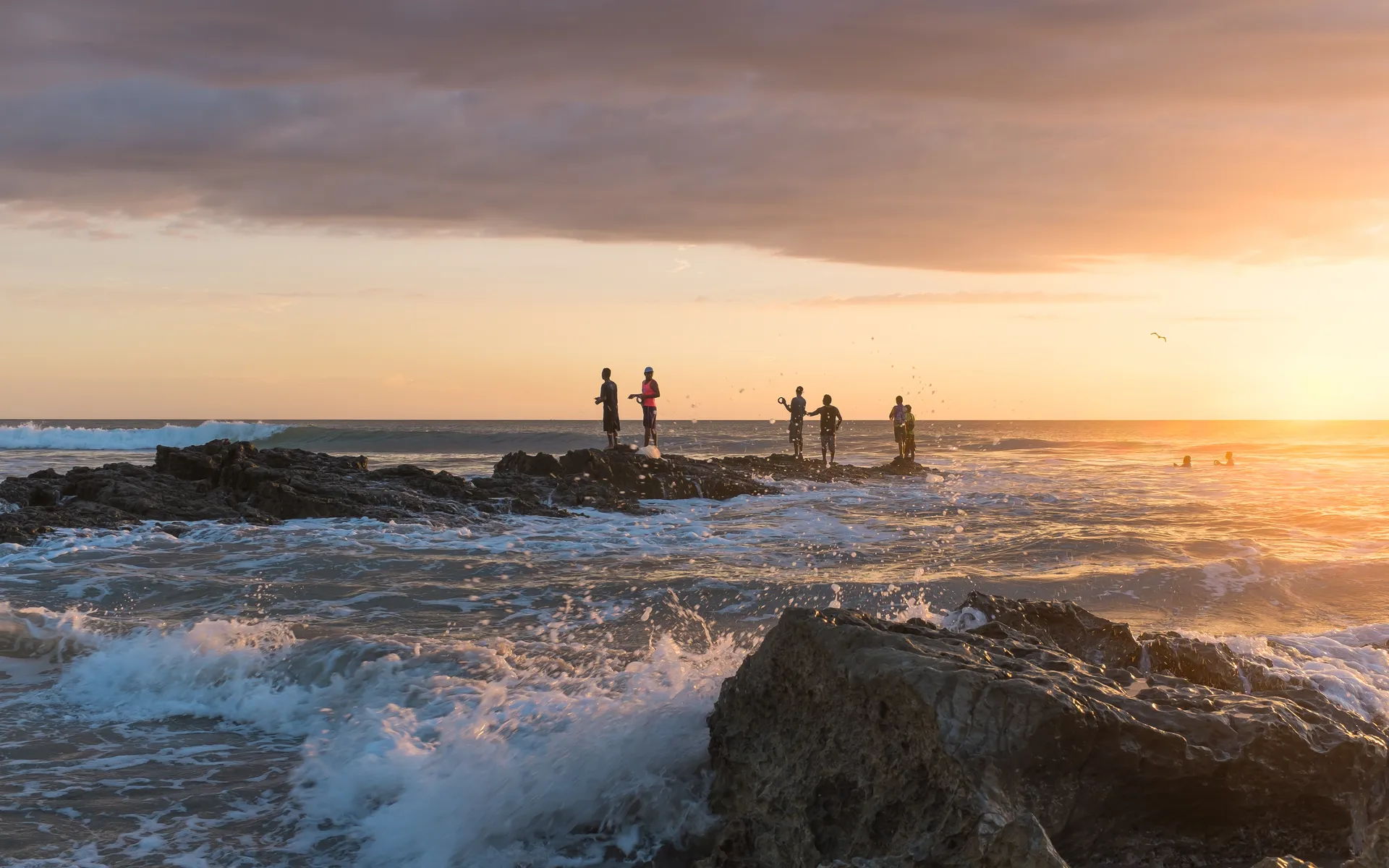
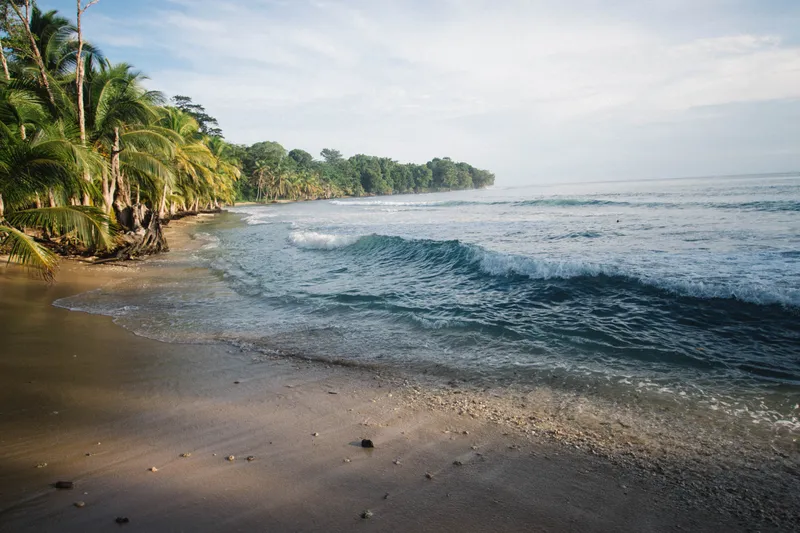
Santa Teresa delivers a rare combination: world-class surf, a deep yoga-and-wellness culture, stunning sunsets, a healthy food scene and a real, growing nomad community, all in a relaxed jungle-meets-beach setting near the Cabo Blanco reserve and Montezuma. The trade-offs are real too. It is not cheap, the access road is rough and dusty, wifi can be variable, and it gets genuinely busy in high season. This is a place you choose for lifestyle first and convenience second. If the surf, community and scenery matter more to you than low costs and smooth logistics, the pros comfortably outweigh the cons. One pro gets less airtime than the surf. The absolute reserve at the very tip, created in 1963 as the country's first protected area, lies a short drive south, and its trail through dry forest to an empty beach is open Wednesday to Sunday, which makes it a midweek escape rather than a weekend one.
- Pros: excellent surf, strong wellness and nomad community, beautiful beaches and sunsets, good food and English.
- Cons: high cost for Costa Rica, rough dusty road, variable wifi, busy and pricier in high season.
Who Santa Teresa Is For
Santa Teresa suits the active surf-and-wellness nomad who can afford it and values lifestyle over budget. If your ideal day mixes a dawn surf, a yoga class, focused work from a good coworking space and a sunset beer on the sand, you will feel right at home here, and the community will fold you in fast. It is a weaker fit for penny-pinching travelers, anyone who needs flawless infrastructure and rock-solid wifi for high-stakes work, or those who dislike dust, heat and rough roads. Come with a healthy budget, a taste for the ocean and a flexible attitude toward logistics, and Santa Teresa can be one of the most rewarding bases in Central America.