Cost of Living in Tamarindo
Where this figure comes from. No cost survey covers Tamarindo, so the $2,400 a month above is our own estimate rather than a measurement. On 416 of our 999 city guides the figure is built from a published Numbeo basket, a one-bedroom rent in the centre plus one person's monthly costs without rent, converted to USD; this city is not one of them. How we source everything.
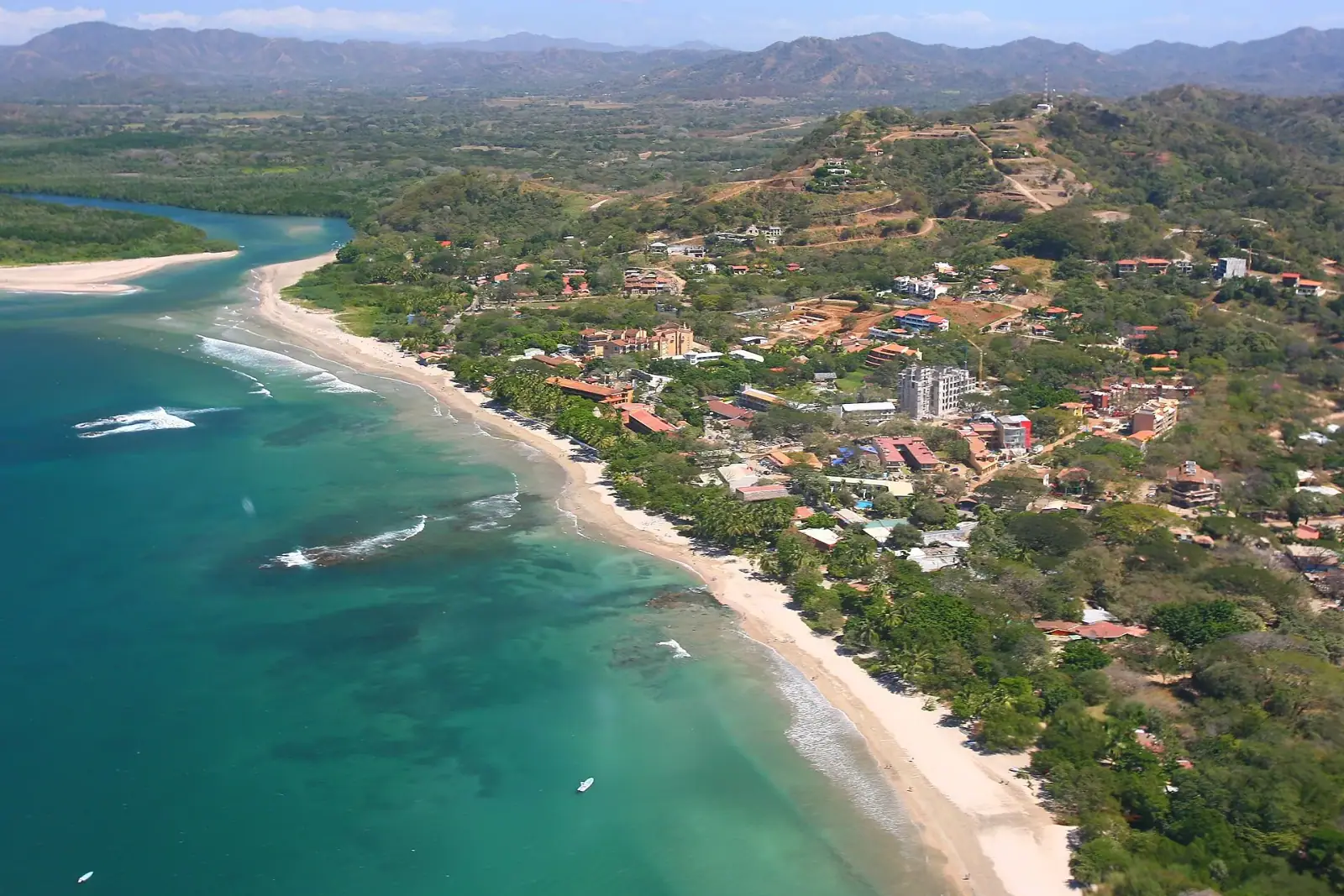
Tamarindo sits at the expensive end of Costa Rica's Pacific coast. Budget roughly $2,000-3,000 per month as a remote worker living comfortably.
- Rent, central Tamarindo (1-bedroom, walk to beach): $1,000-1,600/month
- Rent, residential areas 5-10 min drive out (Villareal, inland): $600-900/month, saving you 30-40%
- Groceries (Auto Mercado supermarket): $350-500/month; imported goods cost noticeably more than San Jose
- Eating out, local soda (rice, beans, meat): $5-7 per meal; mid-range international restaurant $12-20; fine dining $30+ USD
- Coworking hot-desk: $15/day or $150-300/month
- Local transport (taxis, 3 km ride): ~$8; car rental from $50/day if you need mobility
- Total realistic monthly range: $2,000-3,500 depending on rent choice and lifestyle
Tamarindo is not a budget destination. You pay a premium for the beach proximity and infrastructure. Living 10 minutes inland cuts your rent significantly without sacrificing much convenience.
Where to Work
Tamarindo has a small but functional set of working options, skewed toward cafes rather than purpose-built coworking spaces.
Coworking Spaces
- In the Shade (Calle Corona): The most serious work option in town. Fiber optic with two backup lines, ergonomic seating, printing services, and day passes for non-guests. Adults-only boutique hotel that opens its space to remote workers.
- Selina Tamarindo: The social-hub option with day passes around $15 and monthly rates roughly $150-200. Good for meeting other nomads; more hostel-energy than office-energy.
Cafes and Laptop-Friendly Spots
- Nordico Coffee House: The most praised cafe for focused work. Air-conditioned, strong specialty coffee, fast WiFi, and good breakfast and lunch options. Closes at 3 pm, so plan your afternoon accordingly.
- Nalu Bagel and Cafe: Steps from the beach with consistently fast and free WiFi. Good for morning sessions.
- La Oveja Surf House: Open-air with large tables and a relaxed atmosphere, though not air-conditioned.
The Real WiFi Situation
Fiber optic via Kolbi and Liberty is available in Centro and most developed residential areas. The dedicated coworking spaces are reliable. Cafe WiFi varies and can drop out during peak hours. If video calls are critical, book a desk at In the Shade or Selina rather than relying on cafe connections. Mobile data (Kolbi SIM cards, available locally) works as a solid backup throughout most of the town.
Getting Around
Tamarindo's town center is walkable. The main beach strip, restaurants, supermarket, and most cafes are within a 15-minute walk. You do not need a vehicle to survive here, but you will want one if you plan to explore the Guanacaste coast or live in the cheaper residential areas further inland.
Local Transport
- Walking: Practical for central Tamarindo. Roads are unpaved in places and get muddy in wet season.
- Taxis: Plentiful; a 3 km ride runs about $8. Negotiate or confirm the price before getting in.
- Rental cars: From $50/day at Liberia airport. Recommended if you want flexibility or live outside the center. A 4WD is useful in rainy season on unpaved roads.
- Scooter/ATV rentals: Available locally for shorter-term exploration.
Getting to and from the Airport
Liberia International Airport (LIR) is your closest hub, about 68 km and 1.5 hours away. Shared shuttle buses cost around $30 per person with operators like Tropical Tours Shuttles running daily. Private shuttles run $80-130 for two passengers. Public buses exist but take 2.5 hours and require a local taxi to finish the journey. Car rental from LIR is a strong option if you plan to stay longer. San Jose (SJO) is around 5 hours away and best avoided unless you have no other flight options.
Sorting transport? Book an airport transfer, or compare car rental on Auto Europe and QEEQ.
Visas and Staying Long-Term
Costa Rica is generous with tourist entry. Citizens of the US, Canada, the UK, most EU countries, and Australia can enter visa-free and stay for 180 days (six months) on a single entry. Many Latin American passport holders also receive 90-day entries. At the end of your permitted stay you must leave the country before returning.
Digital Nomad Visa (Rentista Digital)
Costa Rica has a formal Digital Nomad Visa valid for one year and renewable for a second year. Requirements include proof of $3,000/month stable income ($5,000 for families), health insurance valid for the full stay, and a one-time application fee. Benefits include tax exemptions on foreign income and the ability to open a local bank account. The application is processed through Costa Rica's immigration authority (DGME).
Best Time to Visit
Tamarindo sits in the Guanacaste province, which has one of the most defined dry and wet seasons in the country.
- Dry season (December to April): Reliably sunny, almost no rain. Peak season for crowds and pricing. March and April bring intense heat (often 35°C+/95°F+) that makes working without air conditioning uncomfortable. December to February is the sweet spot: pleasant temperatures, clear skies, good surf.
- Shoulder season (May and November): Mixed weather, fewer tourists, slightly lower prices. Manageable for nomads willing to deal with afternoon showers.
- Rainy season (June to October): Daily afternoon downpours are common. Guanacaste gets less rain than the Caribbean coast, so it remains workable. Prices are lowest, beaches are less crowded, and the landscape turns green. Humidity is high and unpaved roads get muddy.
For the best mix of good weather, manageable crowds, and reasonable prices: target November to February. Avoid peak March-April if you are sensitive to heat.
Pros and Cons
Pros
- Walkable compact town center with beach access in minutes
- Fiber internet available; dedicated coworking with very fast connections
- 180-day visa-free stay for most Western passports
- Good restaurant variety from local sodas to fine dining
- LGBTQ-friendly compared to many Central American destinations
- Direct international flights through nearby Liberia (LIR) airport
- Active surf and outdoor scene; easy day trips to wildlife refuges and other beaches
Cons
- One of the most expensive towns in Costa Rica, notably pricier than San Jose or the Caribbean coast
- Small nomad community; not a major digital nomad hub compared to Medellin or Chiang Mai
- Very touristy and party-focused in high season; can feel transient
- Heat and humidity from March to October can limit productivity without AC
- Car or taxi needed to reach most beaches beyond the main strip
- Groceries and imported goods cost more than in Central Valley cities
Who Tamarindo Is Best For
Tamarindo suits remote workers who want a genuine beach lifestyle without sacrificing solid internet or food variety. You will thrive here if you surf or want to learn, enjoy outdoor activities between work sessions, and can budget $2,500 or more per month without stress. It also works well for longer-stay nomads leveraging the 180-day visa-free window or the formal Digital Nomad Visa.
Couples and solo travelers who can share rent in the inland residential areas get better value. The LGBTQ community will find it one of the more welcoming towns on the Pacific coast.
Skip Tamarindo if you are on a tight budget under $1,500/month, need a large established nomad coworking community, or dislike heat and humidity. Nomads who prioritize city amenities, fast food delivery, or reliable public transport will find it lacking. If the beach is not your core reason for being there, towns like San Jose or Medellin offer more per dollar.