Cost of Living in Natal
Where this figure comes from. No cost survey covers Natal, so the $900 a month above is our own estimate rather than a measurement. On 416 of our 999 city guides the figure is built from a published Numbeo basket, a one-bedroom rent in the centre plus one person's monthly costs without rent, converted to USD; this city is not one of them. How we source everything.
Budget roughly $900 a month as a solo remote worker in Natal, which is inexpensive even by Brazilian standards. A one-bedroom apartment in Ponta Negra or Petrópolis runs about $300 to $480, with sea views higher and the inland neighbourhoods cheaper. Ponta Negra is where most foreigners base themselves and prices there reflect it. Groceries land around $200 to $270. A prato feito lunch is $4 to $7, a restaurant dinner with a beer $14 to $22, and the seafood, particularly the shrimp, is the reason to eat out here. A monthly transit pass is roughly $50. Utilities add $70 to $150, dominated by air conditioning and by Brazil's high electricity tariffs. Almost nothing administrative works without a CPF, the tax number, which foreigners can obtain and which is asked for when buying a phone plan, signing a lease and sometimes when buying a transport card. Pix, the instant bank transfer system, has largely replaced cash and cards for everyday payment, and a local account is what makes it usable. Rent is normally quoted without the condominium charge, which covers security and building staff and is not small.
Where to Work in Natal
Natal has a modest coworking supply at roughly $80 to $150 a month, concentrated in Ponta Negra and the centre, serving local business and a small number of foreign residents. Most people work from an apartment. Brazilian internet is better than its reputation: fibre is widespread in the cities, fast and reasonably cheap, and mobile data is decent. Power cuts are occasional. English is limited, more so than in São Paulo or Rio, and Portuguese carries daily life; the foreign presence here has historically been European and the older residents often speak Italian or Portuguese rather than English. Cafes around Ponta Negra are used to laptops. The offset is three hours behind GMT, putting a European afternoon inside the local morning and makes this one of the easier Atlantic bases for anyone working to London or Lisbon hours. The professional economy runs on the public sector, tourism and the salt and oil industries of the state, so the people worth meeting are not in technology. A fixed-line contract needs the tax number and a local address, which is why short-stay arrivals end up on mobile data instead.
Getting Around Natal
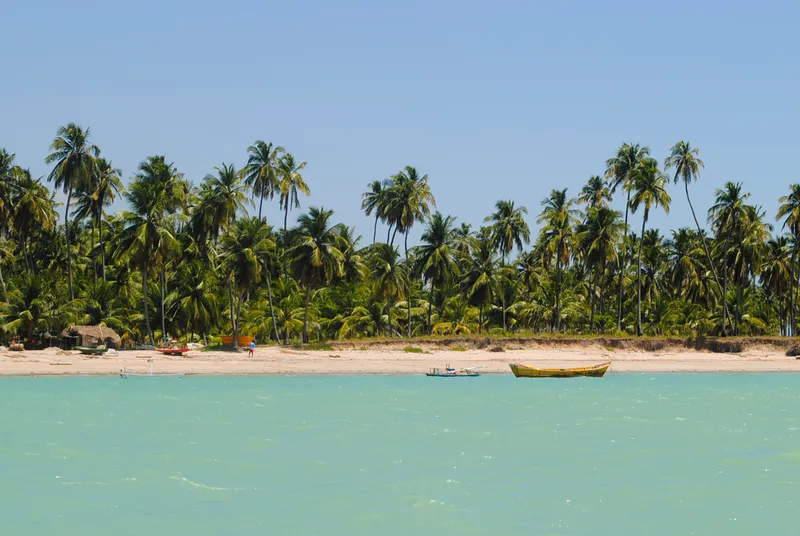
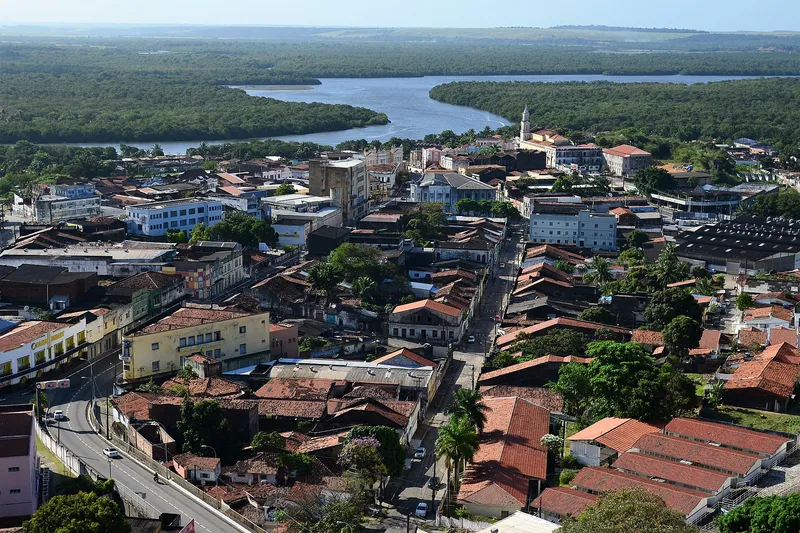
Natal is spread along a coast and a river mouth, and getting between districts means transport: buses cover the city cheaply with a monthly pass around $50, and ride-hailing is widely used, inexpensive and the usual choice for anyone new. Ponta Negra, where most foreigners live, is walkable within itself, with the beach and Morro do Careca at one end. The Newton Navarro bridge crosses the Potengi to the northern beaches. Buggy tours along the dunes to Genipabu are the local speciality. Natal's airport is about 40 minutes south with domestic flights and a handful of European charters, and is one of the closest points in the Americas to Africa and Europe. Buses thin out after dark and are not how most residents move at night, which is the practical reason ride-hailing dominates rather than a question of comfort. The Dunas park in the middle of the city is the largest urban park in the country after the one in Rio, and the trails inside it are the one place here where running does not mean the beachfront.
Sorting transport? Book an airport transfer, or compare car rental on Auto Europe and QEEQ.
Visas for Natal
Brazil grants most Western passports 90 days visa-free on arrival, extendable by a further 90 days in-country through the Federal Police, giving up to 180 days a year. Brazil introduced a digital nomad visa in 2022 for remote workers employed by or contracting to foreign companies, requiring a minimum monthly income or savings and health insurance, and granting one year renewable for a second. It was one of the earlier schemes in Latin America and is reasonably well established. Applications can be made at a Brazilian consulate abroad or, by anyone already legally in Brazil, to the Ministry of Justice. Brazilian bureaucracy is slow and Portuguese-language; a despachante is a normal expense. The extension is requested before the first ninety days run out rather than after, through a booking system that releases appointments unpredictably. Anyone granted the longer visa receives a national migration card, which takes weeks to arrive and is the document banks ask for. An overstay is fined by the day up to a ceiling, but it is recorded against the passport and complicates the next entry.
Best Time to Visit Natal
September to February is the driest and sunniest stretch in Natal, and the city markets itself as the City of the Sun on the strength of averaging around 300 sunny days a year. The rainy season runs roughly March to July, with June the wettest month, and the rain arrives in heavy short bursts rather than all-day drizzle. Temperatures barely move, sitting between 26 and 31 degrees year-round with a constant trade wind that makes the heat far more bearable than the numbers suggest. That wind is also why the coast north and south of the city is one of the better kitesurfing regions in the world, best from August to January. Carnatal, the city's own carnival, is held in December rather than at the usual time, which makes it one of the larger out-of-season carnivals in the country and fills the hotels for a week. The reversal is deliberate, since the real carnival season here falls in the rainy months and the party was moved to the dry ones. Dune and beach conditions peak in the same window, which is why the two overlap.
Pros and Cons of Natal
Natal offers year-round warmth, a constant breeze, long dune-backed beaches and some of the most reliable sunshine in Brazil, at prices well below the south of the country. The kitesurfing coast towards São Miguel do Gostoso is world class, seafood is excellent and cheap, and Brazil's digital nomad visa is straightforward by regional standards. Urban security is a serious and specific consideration in Natal itself, which has had among the higher violent crime rates of any Brazilian state capital, and it governs the everyday choices of where to stay and which streets to use. English is limited. The nomad community is small, and the city is functional rather than beautiful outside the beachfronts. This was the Allied springboard across the South Atlantic in the Second World War: the airfield south of the city became one of the largest American bases outside the United States, and the phrase trampoline to victory came from it. The star-shaped fort at the river mouth has stood since 1598 and predates everything else here by three centuries. Both sit inside the modern city rather than out of the way of it.
Who Natal Is For
Sun, wind and warm sea at a low price, on the condition that Brazilian urban security is taken seriously and planned around, which in practice means living in Ponta Negra and using ride-hailing at night. Kitesurfing is what fills this town and nothing else comes close. Beyond that it is anybody drawn to the northeastern coast for its own sake. It works for those who speak or will learn Portuguese. Planning around crime is a daily condition here rather than an occasional precaution, English will not carry a conversation, and whatever remote-work crowd Brazil has went to Florianopolis instead of here. Florianópolis is the safer, more expensive Brazilian base, and Fortaleza and Recife are the larger northeastern cities. Four weeks will tell you whether the wind suits you, and the kite schools build their courses around that rather than around a week. Anyone arriving without the language should expect to be the only foreigner in most rooms away from the beachfront, which some people come for and others discover too late. The university is where most of the professional conversation happens.
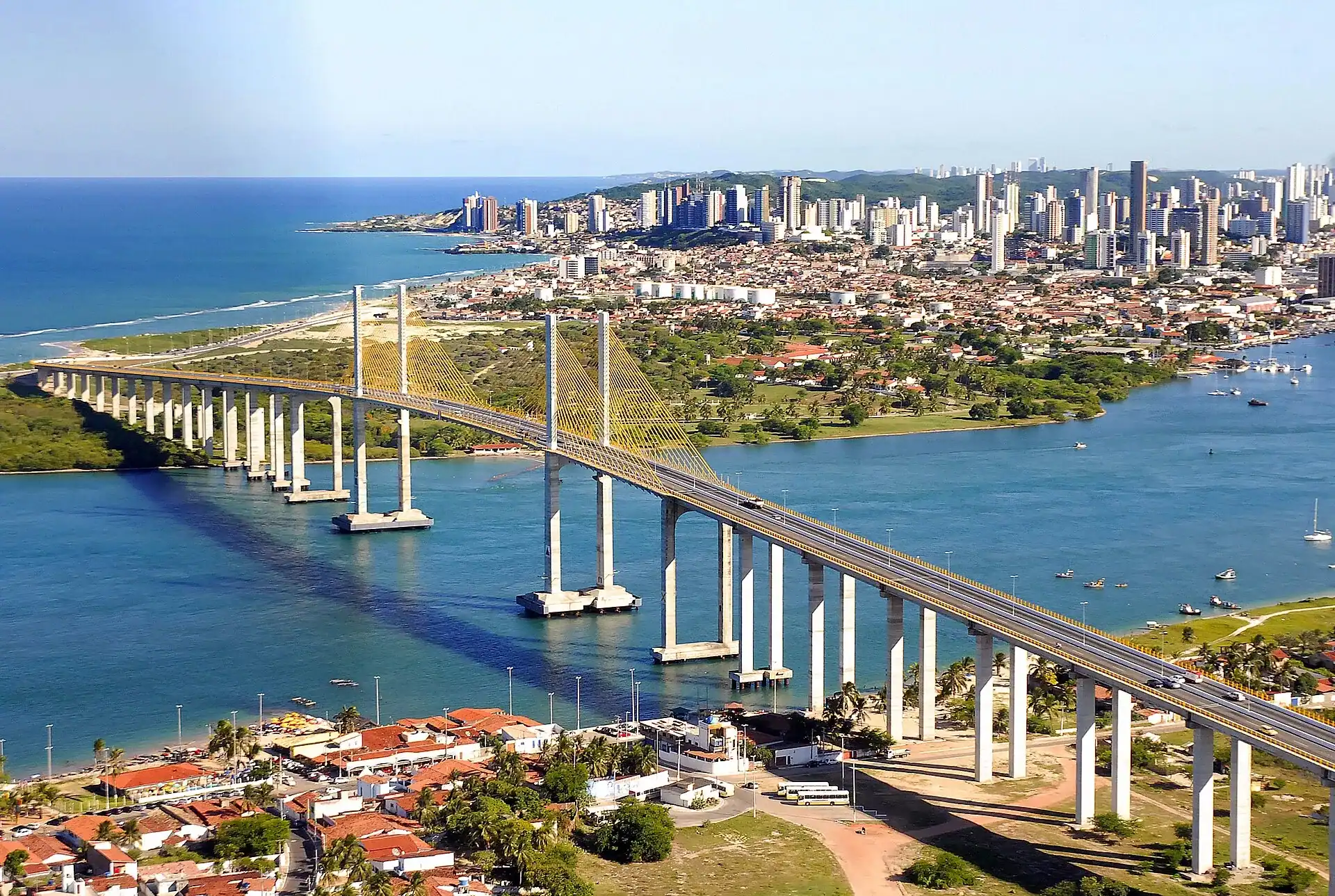 Photo: Ney Douglas/MTur Destinos / Wikimedia Commons (Attribution)