Cost of Living in Philadelphia
Where this figure comes from. No cost survey covers Philadelphia, so the $3,000 a month above is our own estimate rather than a measurement. On 416 of our 999 city guides the figure is built from a published Numbeo basket, a one-bedroom rent in the centre plus one person's monthly costs without rent, converted to USD; this city is not one of them. How we source everything.
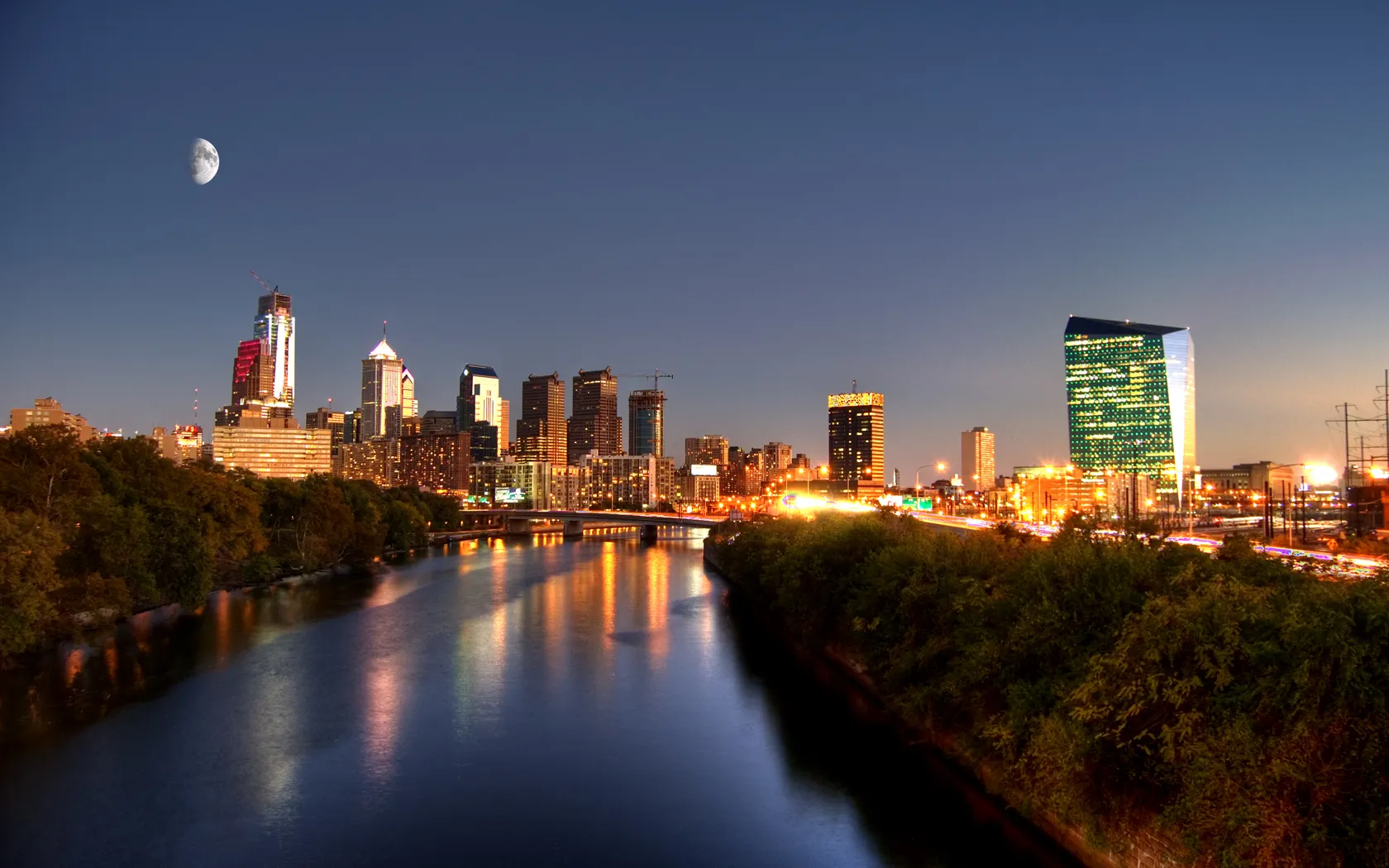
Plan for roughly $3,000/month as a solo remote worker in Philadelphia, a big East Coast city that stays noticeably cheaper than New York or D.C. A one-bedroom apartment in a central area like Center City, Fishtown, or Graduate Hospital runs about $1,500 to $2,000, while neighborhoods further out such as West or South Philly can drop that to $1,100 to $1,500. Groceries land around $350 to $475. Eating out is reasonable and excellent: a casual lunch or famous sandwich runs $12 to $18, and a nice dinner sits around $40 to $55. A SEPTA monthly transit pass costs about $96 and covers buses, trolleys, and the subway. Coworking hot desks run $200 to $350. Add utilities, phone, and entertainment. These are editorial estimates in USD and shift with neighborhood and season, but Philadelphia offers genuine big-city amenities at a meaningfully lower price than its coastal neighbors.
Where to Work in Philadelphia
Philadelphia has a healthy coworking scene fed by its universities, hospitals, and growing startup community. WeWork operates several Center City locations, and Industrious and local independents like the well-regarded Indy Hall in Old City serve freelancers and remote workers. Home internet is dependable: Comcast, which is headquartered in the city, provides widespread cable broadband, and Verizon Fios fiber reaches many neighborhoods, so fast, stable connections are easy to secure. Cafe-work culture is strong and unpretentious, with laptop-friendly independent coffee shops throughout Fishtown, Center City, and University City. Popular spots fill at midday, but seating is generally easier to find than in denser coastal hubs. For heavy call schedules, a coworking desk supplies phone booths and reliable bandwidth. The Free Library of Philadelphia and its beautiful central branch offer excellent free workspace. Overall, connectivity and workspace options here are solid and well-priced for typical remote work needs. The city levies a wage tax on anybody working within its limits, resident or not, which is unusual in this country and catches people who take a local job without reading the payslip properly. It does not touch income earned from an employer abroad, but it shapes what local salaries look like.
Getting Around Philadelphia
Philadelphia is one of the more walkable major US cities, with a flat, compact grid that makes Center City and adjacent neighborhoods easy to cover on foot. SEPTA runs the subway, trolleys, buses, and regional rail, providing decent coverage, though the system feels older and less polished than D.C.'s Metro. The Indego bike share and flat terrain make cycling practical. Ride-hailing with Uber and Lyft is widely available and affordable. The main airport is Philadelphia International (PHL), conveniently connected to Center City by a regional rail line in about 25 minutes, and it serves plenty of domestic and international routes. Philadelphia also sits on the Amtrak Northeast Corridor, so New York and Washington are quick, frequent train rides away, a real perk for exploring. You can comfortably live car-free if you stay central, though a car helps for trips beyond the city core. The street grid was laid out in the sixteen eighties with five public squares set into it, the oldest plan of its kind on the continent, which is why finding an address here needs no explanation at all. Numbers run outward from the river and the cross streets carry tree names, and between them the city is close to impossible to get lost in.
Sorting transport? Book an airport transfer, or compare car rental on Auto Europe and QEEQ.
Visas for Philadelphia
The United States has no digital nomad visa, so entry is through standard tourist routes. Passport holders from Visa Waiver Program countries apply online for ESTA and can stay up to 90 days without a formal visa. Everyone else generally needs a B-2 tourist visa secured through a consular interview, and a B-2 visitor is typically admitted for six months. Visitor status, on an ESTA or a B-2, does not allow employment in the United States. Be honest with border officers about the purpose and length of your visit, and never overstay your admitted period, since overstays carry serious future consequences. An ESTA stay cannot be extended past 90 days; B-2 visitors can apply to USCIS to extend in blocks of up to six months.
Best Time to Visit Philadelphia
Philadelphia has four clear seasons, and the best times to visit are spring and autumn. Spring, especially April through early June, brings mild temperatures, blooming parks, and pleasant days for walking the historic district. Autumn, September through October, is arguably the finest season, with crisp air, comfortable temperatures, and attractive fall foliage. Summer, June through August, turns hot and humid, with temperatures often in the high 80s and 90s Fahrenheit and sticky afternoons, so it is the stretch to avoid if heat bothers you. Winter, December through February, is cold with occasional snow and gray skies, though rarely extreme. For the best balance of good weather and outdoor time exploring the city's parks, murals, and colonial landmarks, aim for the shoulder seasons of mid-spring or early fall, and prepare for humidity and heat if summer is your only window. On the first day of the year the Mummers parade up Broad Street in feathered costumes their clubs have spent twelve months making, a tradition found nowhere else and either delightful or baffling depending on the hour you arrive. Nothing else in the local calendar comes anywhere near it.
Pros and Cons of Philadelphia
Pros: Philadelphia delivers genuine big-city amenities, walkability, dependable transit, and strong internet at a price well below New York or D.C., making it excellent value for the East Coast. The food scene punches above its weight, the arts and history are rich, and Amtrak puts New York and Washington within easy reach. Locals are famously down-to-earth. Cons: parts of the city struggle with crime and poverty, so neighborhood choice matters more than in some cities, and the transit system feels dated. Summers are hot and humid, winters gray and cold. The city has a gritty, sometimes rough-edged reputation that not everyone warms to. The startup and coworking scene, while real, is smaller than in top-tier hubs. It is a smart, affordable base for those who want East Coast access without coastal prices, provided you pick your area with care.
Who Philadelphia Is For
If you want real big-city life, walkability, culture and East Coast connectivity without New York or Washington price tags, this is where the arithmetic works out. It fits people who appreciate history, food, and an unpretentious, authentic urban feel, and who want quick Amtrak access to the wider Northeast for work or exploring. The people who do best here are the ones who read a large city carefully and pick a neighborhood on purpose, and who want a real set of amenities at a price the rest of the northeast corridor no longer offers. It is a weaker match for anyone seeking pristine, polished infrastructure, a warm climate, or a large concentrated tech scene, and for nomads who prefer smaller, quieter, or safer-feeling settings. If you want maximum East Coast urban value and can look past a gritty edge, Philadelphia is one of the more sensible US bases. Come for the affordability, character, and central location on the corridor.