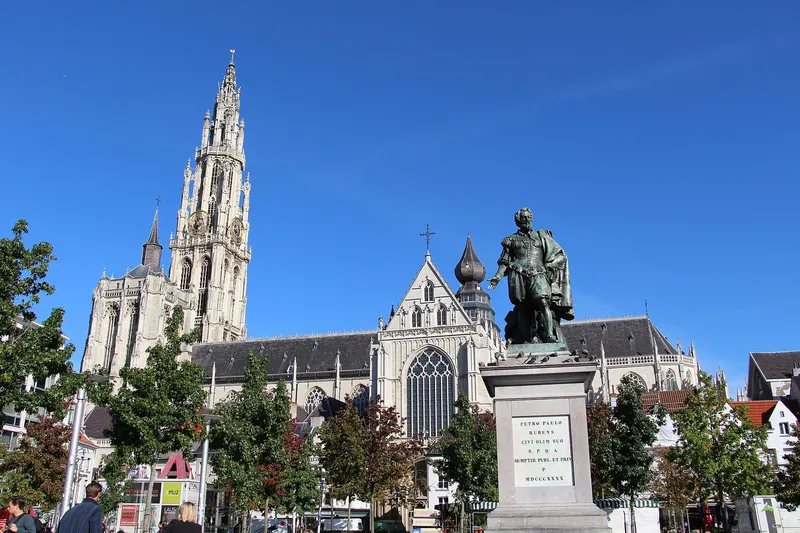
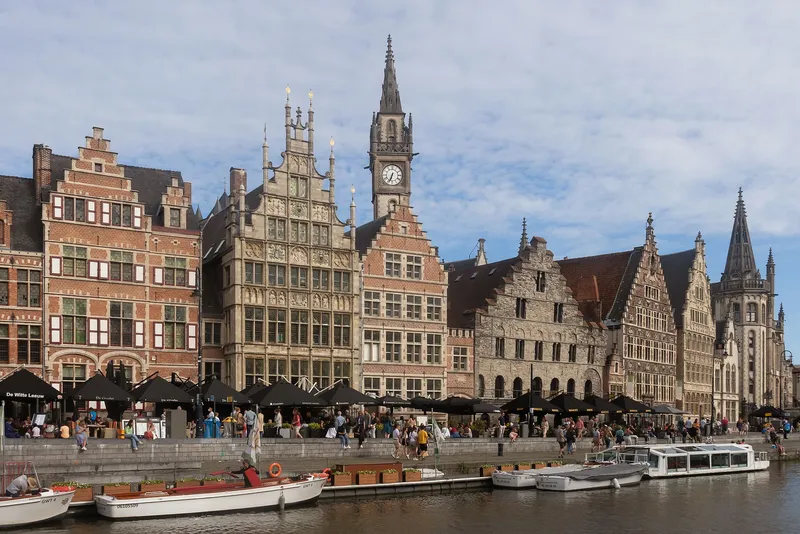
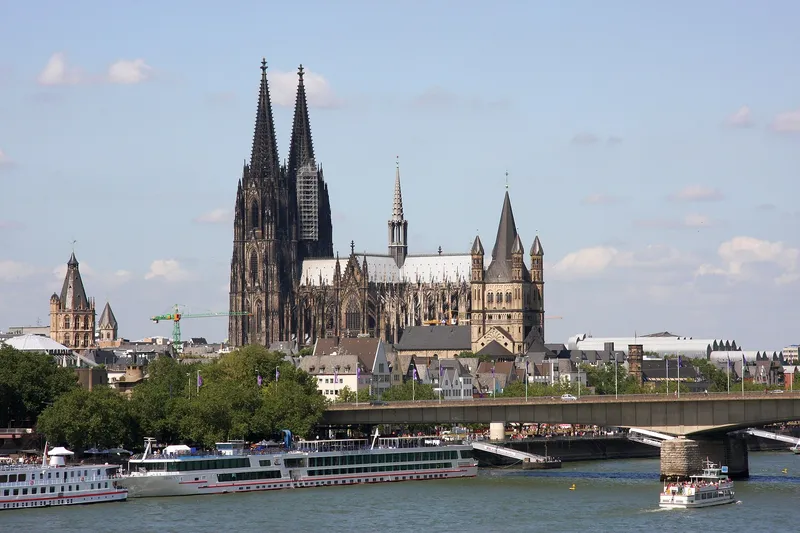
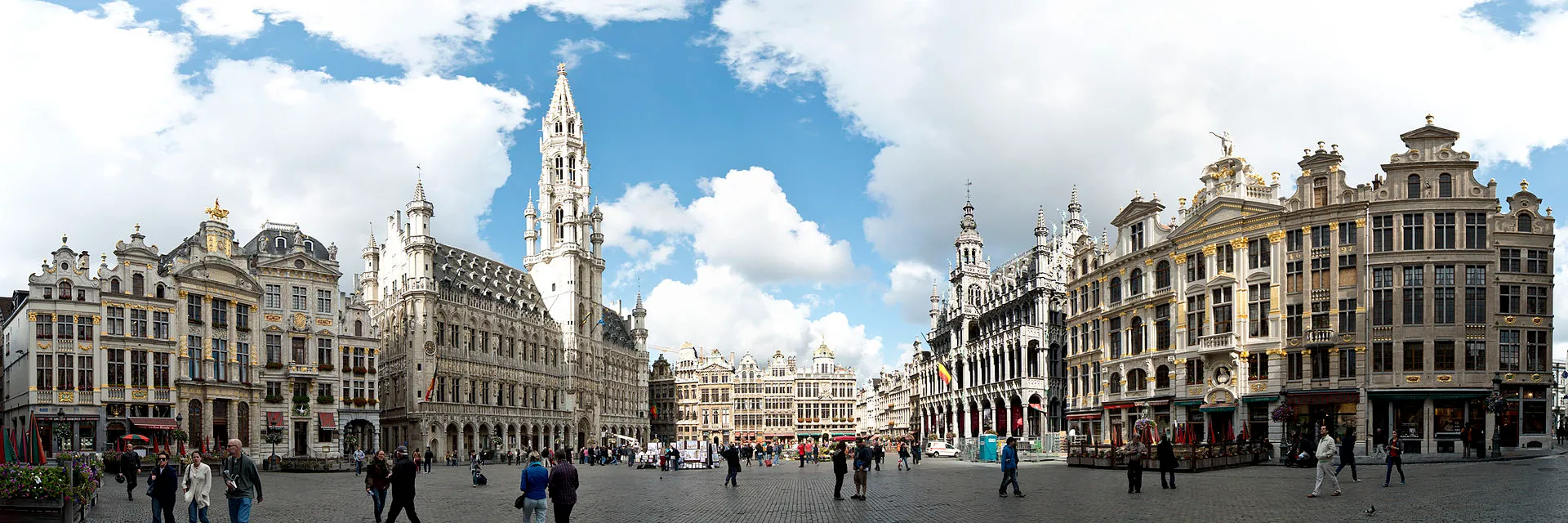
Panorama of the Grand-Place in Brussels, Belgium, with the Town Hall spire rising above the ornate guild houses
Photo: Steve Collis from Melbourne, Australia / Wikimedia Commons (CC BY 2.0)
Belgium flag

Brussels

Belgium

Experience eU capital with Art Nouveau charm, world-class beer, and multicultural vibes.

$3.200
Monthly Budget
--
Current Weather
Oceanic
Climate Type
80 Mbps
Avg. WiFi Speed
5/10
Safety Score
2,000+
Active Nomads
--
Time Difference
Scroll
0
Nomad Score

A Remote Worker's Guide to Brussels

Experience eU capital with Art Nouveau charm, world-class beer, and multicultural vibes. What pulls nomads here is fast WiFi, backed by food and English. Budget around $3,200 a month. Nature access is the weak spot.

Compare Brussels vs Leuven →

Category Breakdown

How Brussels scores across all 13 factors

Weather in Brussels

Monthly averages from 2019-2023 (Open-Meteo), and the best time to visit

Jan
Feb
11°
Mar
14°
Apr
18°
May
23°
13°
Jun
23°
14°
Jul
24°
15°
Aug
21°
12°
Sep
16°
10°
Oct
10°
Nov
Dec
Daily high & low (°C)Rainfall (mm/month)Best months to visit

The best time to visit Brussels for comfortable weather is Jun, Jul, Aug. The warmest month is Aug (around 24°C by day), and the wettest is Oct (about 101mm of rain).

Chasing good weather? See other cities that are warm in Jun, or plan a multi-city route around the seasons. Staying a while in Brussels? Check visa options, your time-zone overlap and how far your budget stretches, or find it on the world map.

Historical monthly averages, not a forecast. Source: Open-Meteo.

Best Neighborhoods in Brussels

Where to base yourself for the perfect nomad experience

Saint-Gilles

$$
Art Nouveau & Creative

Brussels' art nouveau gem with creative energy

Saint-Gilles is Brussels' art nouveau treasure - stunning architecture, creative community, and multicultural character. It's where artists and young professionals discover Brussels' best value.

Best for: Architecture lovers, creatives, and nomads seeking characterful Brussels
✓ Pros
  • Art nouveau architecture
  • Creative scene
  • Good value
  • Multicultural
✗ Cons
  • Hilly streets
  • Variable areas
  • Limited nightlife

Ixelles / Flagey

$$
Trendy & Diverse

Brussels' trendy lake district with student energy

Ixelles surrounds the Flagey lake - trendy cafes, African restaurants, and university energy. It's diverse and vibrant, where Brussels' cultural mixing creates unique atmosphere.

Best for: Young professionals, foodies, and nomads seeking vibrant Brussels
✓ Pros
  • Great restaurants
  • Lake area
  • Diverse culture
  • Good cafes
✗ Cons
  • Busy streets
  • Parking issues
  • Variable areas

Grand Place / City Center

$$$
Historic & Tourist

Brussels' spectacular medieval heart

Grand Place is Brussels' UNESCO masterpiece - one of Europe's most beautiful squares surrounded by guild houses. It's touristy but spectacular, with excellent central access.

Best for: First-time visitors, history lovers, and nomads wanting central Brussels
✓ Pros
  • Stunning architecture
  • Central location
  • Tourist amenities
  • Historic
✗ Cons
  • Very touristy
  • Expensive
  • Crowded

Schaerbeek

$
Emerging & Multicultural

Brussels' emerging creative frontier

Schaerbeek is Brussels' emerging neighborhood - art nouveau buildings, African and Turkish communities, and creative pioneers. It's rough around edges but rapidly improving.

Best for: Early adopters, budget nomads, and those seeking multicultural Brussels
✓ Pros
  • Best value
  • Art nouveau
  • Multicultural food
  • Emerging scene
✗ Cons
  • Variable areas
  • Safety concerns
  • Far from center

EU Quarter (Etterbeek)

$$$
EU & International

Brussels' international EU bubble

The EU Quarter surrounds European institutions - international restaurants, expat services, and institutional atmosphere. It's practical for EU workers but lacks Brussels character.

Best for: EU workers, international professionals, and those needing institutional access
✓ Pros
  • International services
  • Good restaurants
  • Professional networking
  • Parks
✗ Cons
  • No character
  • Dead weekends
  • Institutional feel

Cost of Living in Brussels

Brussels is one of Western Europe's more expensive cities, though not quite at London or Zurich levels. Rent is the biggest variable. A one-bedroom apartment in central neighborhoods like Ixelles or Saint-Gilles runs EUR 1,100-1,500/month (~USD 1,200-1,650). Move out to Etterbeek, Schaerbeek, or Molenbeek and you can find something decent for EUR 750-950/month (~USD 820-1,050). Coliving spaces sit in the EUR 750-1,200 range with utilities bundled in.

  • Rent (central 1BR): EUR 1,100-1,500
  • Rent (outer area 1BR): EUR 750-950
  • Groceries (weekly): EUR 50-75
  • Eating out (mid-range, one person): EUR 15-25 per meal
  • Coworking hot-desk: EUR 200-350/month
  • STIB monthly transport pass: EUR 56
  • Utilities (if not included): EUR 100-150

A realistic monthly total runs EUR 1,800-2,800 (~USD 1,980-3,080) depending on your accommodation choice and how much you eat out. Brussels is not a budget destination: the same lifestyle costs more here than in Lisbon, Warsaw, or Belgrade.

Where to Work

The coworking scene is solid and well-established. Silversquare operates multiple locations across the city (European Quarter, city center, Ixelles) with professional setups and strong community programming. Betacowork in Etterbeek has been running since 2010 and draws a loyal crowd of freelancers and entrepreneurs. Transforma bxl in Evere is larger and more event-oriented, with outdoor space and wellness perks. Hot-desk memberships across these spaces run EUR 200-350/month.

Cafe working is very much part of the culture in Ixelles and Saint-Gilles. MOK (Rue Antoine Dansaert) is a specialty roastery with a dedicated back room for laptop workers, good for a focused few hours. Frank (Rue des Princes) is bright, minimalist, and genuinely welcoming to remote workers at lunch. Cafe Belga near Place Flagey is stylish and spacious but gets noisy in the afternoon.

WiFi in coworking spaces is consistently fast (150+ Mbps is common). Cafe WiFi is more variable: expect 20-50 Mbps in most places, occasionally slower. Video calls from a cafe are doable but not always reliable; book a dedicated desk for anything critical.

Getting Around

Brussels has a good metro, tram, and bus network run by STIB-MIVB. A monthly unlimited pass costs EUR 56 and covers all metro, tram, and bus lines within the city. Single tickets run around EUR 2.50-3.00. The network is reasonably punctual and covers most places you would actually want to go.

Walkability is high in central communes like Ixelles, Saint-Gilles, and the historic center. Most daily errands, cafes, and restaurants are within 15-20 minutes on foot from a central address. Cycling infrastructure has improved but is still inconsistent compared to Dutch or Danish cities; shared e-bikes and scooters are available via apps.

Getting to Brussels Airport (Zaventem) is straightforward: direct trains run every 15 minutes from Brussels-Central, Brussels-Midi, and Brussels-North, taking around 18 minutes to the airport. A ticket costs around EUR 10-12 including the airport rail surcharge of EUR 6.90. Note that standard STIB monthly passes do not cover the airport bus (line 12); you need a separate Airport2City ticket (EUR 7.90-8.40).

Brussels-Midi station also connects to Eurostar and Thalys high-speed trains, putting Paris under 2 hours and London just over 2 hours away.

Visas and Staying Long-Term

Belgium has no dedicated digital nomad visa. EU/EEA citizens can live and work freely without any permit.

For non-EU citizens, the Schengen 90/180-day rule applies for most Western passports (US, UK, Canada, Australia, and others). You can stay visa-free for up to 90 days in any 180-day window. Belgium is part of the Schengen zone, so days in other Schengen countries count toward your 90.

To stay longer as a self-employed remote worker, the main route is the Professional Card, a residency permit for non-EU self-employed individuals. You apply through the Belgian consulate in your home country and must demonstrate a financially viable business with economic benefit to Belgium. A long-stay Type D visa is required first for stays beyond 90 days. Processing fees and times vary; the handling fee as of mid-2026 is around USD 300. Always verify current requirements directly with the Belgian embassy or immigration authority (dofi.ibz.be) before applying.

Best Time to Visit

Brussels has a temperate oceanic climate: mild but grey and damp much of the year. Rain is possible in any month, and the city averages overcast skies roughly 60 percent of the time.

The best window for remote work and quality of life is late April through September. May and June offer mild temperatures (15-20 degrees Celsius), manageable crowds, and enough sunshine to make the city genuinely pleasant. Cafe terraces open up, parks fill with locals, and the city is at its most livable. July and August are the warmest months but also busiest with tourists and can be uncomfortably humid.

September and early October offer a good balance: fewer tourists, lower accommodation rates, and autumn light that makes the city's architecture look great. Winter (November through February) is cold, grey, and persistently wet, with temperatures hovering around 3-7 degrees Celsius. December brings Christmas markets that are genuinely charming, but working-from-a-cafe energy drops significantly in midwinter.

Pros and Cons

  • Central European location with excellent Eurostar and high-speed rail connections
  • Strong international community of expats, EU professionals, and nomads
  • English widely spoken in professional and service contexts
  • Excellent food scene across all budgets, from Belgian classics to international dining
  • Good coworking infrastructure with multiple established spaces
  • Rich culture, museums, and architecture, including significant Art Nouveau heritage
  • High cost of living relative to the nomad experience you get compared to cheaper European alternatives
  • No digital nomad visa, limiting stays to 90 days without significant bureaucratic effort
  • Weather is reliably unreliable: grey and wet for much of the year
  • Safety varies sharply by neighborhood; some central and inner-city areas have visible street issues
  • Bureaucracy is notoriously slow for any long-stay administrative process
  • The city can feel transactional: a large floating population means the local social scene takes real effort to penetrate

Who Brussels Is Best For

Brussels works well for nomads who prioritize connectivity above everything else. If you want to be in a city with fast train access to Paris, London, Amsterdam, and Cologne, there are few better bases in Europe. The EU institutional ecosystem also attracts a highly international, English-speaking crowd, which makes meeting people professionally straightforward if you work in tech, policy, media, or consulting.

It suits people on shorter Schengen stays who want a genuine European capital experience without the tourist intensity of Paris or Amsterdam. The food and beer culture alone makes it worth a month or two.

You should probably look elsewhere if you are budget-sensitive: the combination of high rent, high food costs, and no nomad visa means Brussels is hard to justify on a tight budget when Lisbon, Tbilisi, or Krakow offer more value. It is also a poor fit if you need warm sunny weather to stay productive: the grey winters are long and draining for many people.
Where to Stay in Brussels

Top neighborhoods and accommodations for digital nomads

Aparthotel Adagio Brussels Grand Place

Aparthotel
City Centre

Fully equipped studios with kitchen and fast wifi steps from Grand Place, ideal for self-sufficient medium stays.

Check availability →

Aparthotel Adagio Access Brussels Europe

Aparthotel
European Quarter

Quiet studios with kitchenettes near EU institutions and metro, great value for longer working stays.

Check availability →

Made in Catherine

Boutique hotel
Sainte-Catherine

Ranked top hotel in Brussels, one minute from metro in a lively cafe quarter with fast wifi and artisan breakfast.

Check availability →

Maison Flagey Brussels

Guesthouse
Ixelles

Art Nouveau guesthouse by Flagey Square in the heart of Brussels' most walkable, cafe-rich expat neighbourhood.

Check availability →

MEININGER Hotel Bruxelles City Center

Hostel
Canal District

Social hostel in a converted 1912 brewery with private rooms, guest kitchen, and free wifi near city centre.

Check availability →

Browse apartments, aparthotels and hotels across Brussels. Compare prices and book a base that suits a remote-work stay.

See available stays in Brussels →

Affiliate link. See our disclosure.

Best Coworking Spaces

Where nomads get work done in Brussels

Silversquare Europe

Premium coworking
European Quarter

Well-equipped flagship coworking in the EU quarter with private offices, meeting rooms, and a strong professional community.

Visit website →

Betacowork

Community coworking
Etterbeek

Established in 2010, this friendly space near Petillon metro draws entrepreneurs and freelancers with a warm community vibe.

Visit website →

Transforma bxl

Innovation campus
Evere

Green Key-certified coworking campus with ergonomic furniture, outdoor space, a makerspace, and free yoga classes for members.

Visit website →

WeWork Rue du Commerce

Flex coworking
Leopold Quarter

Global coworking brand in a converted nine-story building steps from EU institutions, with lounges and conference rooms.

Visit website →

MOK Coffee

Specialty coffee roastery
City Center

Award-winning specialty roastery on Rue Dansaert with a dedicated back room for laptop workers and exceptional espresso drinks.

Visit website →

Frank

Laptop-friendly cafe
City Center

Bright minimalist cafe on Rue des Princes serving seasonal food and specialty coffee in a calm, laptop-welcoming environment.

View on Maps →

Where to Eat & Drink

Best food and drink spots in Brussels

La Buvette

Fine dining, seasonal
Saint-Gilles

Michelin-recognized eight-course tasting menu using local organic ingredients in a warm, intimate Saint-Gilles setting.

Visit website →

Fin de Siecle

Belgian brasserie
City Center

No-reservations brasserie on Rue des Chartreux serving generous portions of Belgian classics at honest prices in a bustling room.

Visit website →

Nüetnigenough

Belgian tavern
City Center

Classic Brussels tavern on Rue du Lombard with 50 Belgian beers and traditional dishes like stoemp and Flemish stew.

Visit website →

Bozar Restaurant

Fine dining, French-Belgian
City Center

Two-Michelin-star restaurant inside the Victor Horta-designed Centre for Fine Arts, with meticulous seasonal tasting menus.

Visit website →

Moeder Lambic Fontainas

Belgian beer bar
City Center

Brussels institution at Place Fontainas serving an exceptional curated selection of Belgian lambic, geuze, and craft beers on tap.

Visit website →

Delirium Hoppy Loft

Craft beer bar
City Center

Specialist craft beer bar in the Delirium Village complex with 20 rotating taps focused on hop-forward international and Belgian micro-brews.

Visit website →

What Do Nomads Say?

Vote on how accurate these scores are based on your experience

Cities with a Similar Vibe to Brussels

Different places that score alike across our 13 categories, if you like Brussels, these tend to feel similar.

Frequently Asked Questions About Brussels

How much does it cost to live in Brussels as a digital nomad?

Budget roughly $3,200 a month in Brussels for a furnished place, food, coworking, and transport. The most popular central areas cost more; suburbs and local spots cost noticeably less.

Is the internet fast enough for remote work in Brussels?

Brussels rates 8 out of 10 for WiFi in our scoring, so it handles video calls and daily remote work excellent. Carry a local SIM with data as a backup for cafes and travel days.

Is Brussels safe for digital nomads?

Our safety score for Brussels is 5/10, workable for nomads. As anywhere, watch your belongings, favor busier streets after dark, and research neighborhoods before you book.

Is Brussels a good city for digital nomads overall?

Brussels stands out for fast WiFi and food among remote workers. With a typical budget near $3,200 a month and a growing nomad scene, it suits anyone whose priorities line up with those strengths.