Cost of Living in Košice
Real market data
Source: Numbeo · August 2026
$1,730/moSolo nomad1-bed centre + living costs
$2,340/moCoupleshared 1-bed + costs
$1,500/moLean / localcheaper area + costs
- 1-bed rent, city centre$970€841
- 1-bed rent, outside centre$730€636
- Monthly costs excl. rent (1 person)$760€664
- Meal, inexpensive restaurant$10€9
- Monthly transit pass$35€30
- Buy price, per m² (centre)$4,070€3,537
Prices are from Numbeo (August 2026), converted to USD at $1 = €0.87 (01 Aug 2026). The monthly living-costs figure is our transparent one-person basket, groceries, a few meals out, utilities, phone, internet, transport and essentials, priced from those figures. Solo adds central rent; couple and lean are estimates from the same numbers. The guide below quotes its own monthly range, which is a different measurement rather than a competing one: this table prices a defined basket at the figures above, while that range is a judgement about how somebody actually lives here.
Košice is one of the more affordable cities in the EU, though it costs more than many nomads expect for a Central European city. The local currency is the euro (EUR), and costs are generally lower than Bratislava by 15-20%.
- Rent, central one-bedroom: $635-805/month
- Rent, outer districts: $435-575/month
- Groceries (cooking at home): $230-320/month
- Eating out (local lunch menu): $7-10 per meal; dinner at a mid-range place runs $12-23
- Coworking hot desk: $115-175/month
- Local transport (monthly pass): $29-40
- Mobile data (10 GB): around $7/month
Total monthly range: A frugal setup runs about $1,040-1,380. A comfortable nomad lifestyle with a central flat, coworking, and regular restaurant meals lands around $1,730-2,300. Note that short-term Airbnb rentals skew the numbers significantly upward; finding a monthly rental through local listings (Facebook groups, reality.sk) brings costs down considerably.
Where to Work
Košice has a small but functional coworking scene, and the city's university presence means cafe culture is reasonably developed.
Coworking Spaces
- Starport (Skladná 58) is the most nomad-friendly option: $6/day or $115/month, 24/7 access, startup atmosphere, free coffee and tea.
- Regus Cassovar Business Center (Zriedlova 13) is a polished corporate environment with fast fiber, meeting rooms, and a patio. Hot desks start around $120-170/month.
- SALIA (Letná 27) is a large office-focused space in the southwest business district, better suited to longer-term setups than drop-in work.
- coSicke (Hlavná 93) is a smaller downtown option with standard amenities, open weekdays.
Cafes and WiFi Culture
Many cafes on and around Hlavná (the main pedestrian street) offer free WiFi and tolerate laptop workers, especially during off-peak hours. Pogo Urban Caffe on Hlavná is a popular choice for morning work sessions. San Domenico Caffe near the Dominican Church is consistently praised for reliable connectivity and a quieter atmosphere. Do not expect blazing fast speeds everywhere, though typical cafe WiFi is fine for calls and general work. Dedicated coworking gives you more predictable bandwidth if you run video calls all day.
Getting Around
The historic center of Košice is compact and very walkable. You can cover most of the Old Town on foot in 20-30 minutes. The main pedestrian zone, Hlavná, runs through the heart of the city and connects most of what you will actually use day to day.
For longer distances, Košice has an extensive tram and bus network operated by DPMK, with 16 tram lines and over 40 bus routes. Frequency is solid on weekdays (every 5-15 minutes on main lines). Single tickets cost around $1; a 30-day pass is roughly $29-40. Bolt and Uber both operate in the city and a typical short ride is $4.50-7.
Airport
Košice International Airport (KSC) sits about 8 km southwest of the city center. Bus 23 connects the airport to the train station and city center in around 20 minutes. A Bolt or taxi costs $8-14. Direct flights operate to Vienna, Prague, London Stansted, Warsaw, and several other European hubs via Ryanair, Wizz Air, LOT, and SmartWings. If you need a wider range of connections, Vienna is about 4.5 hours by train and has vastly more options.
Sorting transport? Book an airport transfer, or compare car rental on Auto Europe and QEEQ.
Visas and Staying Long-Term
Slovakia is a full Schengen member. Citizens of the US, Canada, Australia, UK, and most other Western countries can enter visa-free for up to 90 days in any 180-day period across the whole Schengen zone. Slovakia does not have a dedicated digital nomad visa as of 2026. For stays longer than 90 days, the main legal route is a temporary residence permit for self-employment, which requires demonstrating financial self-sufficiency (typically 2,000+ EUR/month), business registration, and meeting a quota that the government caps at around 700 permits annually.
Best Time to Visit
Košice has a continental climate with cold winters and warm summers. The clearest window for remote work is May through September. Spring (April-May) brings mild temperatures and the city comes alive after winter. Summer (June-August) averages around 22-26 degrees Celsius during the day; it is the most social and energetic period, though July and August see the most rain. September offers warm, stable "Indian summer" conditions and is arguably the most pleasant month of the year. Avoid December through February unless you enjoy cold: average temperatures hover around 0 degrees Celsius, days are short, and the city feels subdued outside of the Christmas market period. October and November are grey and cool but workable if you do not mind the mood.
Pros and Cons
- Pro: Genuinely low cost compared to Western Europe while staying inside the EU and Schengen
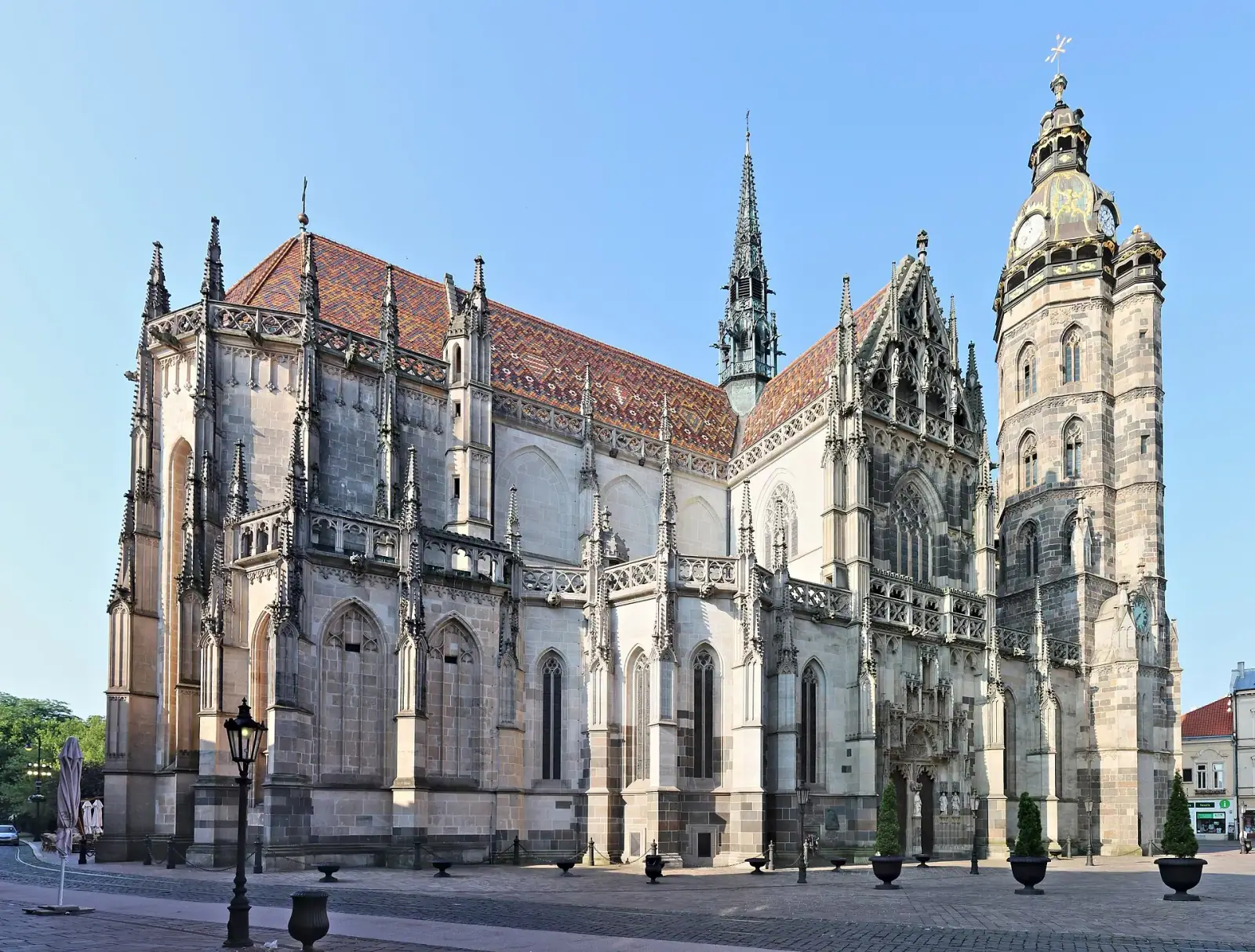
- Pro: Beautiful, walkable Old Town with a lively main square and good cafe culture
- Pro: Very safe by European standards with low violent crime
- Pro: English widely spoken by younger people and professionals
- Pro: Emerging tech and startup scene; active expat and nomad community
- Pro: Good food scene with Slovak, Mexican, Italian, and Japanese options at reasonable prices
- Con: Limited coworking infrastructure compared to larger capitals; options are few
- Con: Direct flight connections are thin; you often need a connection through Vienna or Prague
- Con: Small nomad community means fewer serendipitous professional connections than in Lisbon or Tbilisi
- Con: No digital nomad visa; long-term legal residence requires significant paperwork and financial proof
- Con: Winters are genuinely cold and grey, lasting several months
- Con: Nightlife and cultural events are more limited than a capital city
Who Košice Is Best For
Košice suits nomads who want an affordable, livable Central European base without the noise and expense of a capital. If you are already exploring Slovakia or making a circuit through Poland, Hungary, or the Czech Republic, Košice is an easy, rewarding stop for two to six weeks. It works especially well for solo workers who do not depend heavily on a large nomad community and are comfortable building routines independently. History and architecture enthusiasts will love the Old Town. Budget-conscious nomads who can find a monthly apartment will find their euros stretch further here than almost anywhere else in the EU.
Skip Košice if you need a deep coworking community, extensive flight connections from your home base, or a vibrant nomad social scene. It is also a harder sell if you are planning a stay through November to March and seasonal affective disorder is a concern. Remote workers already based in Bratislava or Budapest may find Košice too similar to justify the move without a specific reason to be there.