Cost of Living in Mamoudzou
Where this figure comes from. No cost survey covers Mamoudzou, so the $1,700 a month above is our own estimate rather than a measurement. On 416 of our 999 city guides the figure is built from a published Numbeo basket, a one-bedroom rent in the centre plus one person's monthly costs without rent, converted to USD; this city is not one of them. How we source everything.
Budget around $1,700 a month, and Mayotte is expensive in a way that causes genuine political tension: it is the poorest department of France while carrying French import costs, and the gap between the two is the source of recurring protest. A one-bedroom runs roughly $600 to $1,000. Supermarket groceries are French products at a heavy freight markup. The local markets are far cheaper. Utilities are moderate but water shortages are a serious recurring problem. Eating out is limited and mostly Comorian and Malagasy at modest prices. The euro is the currency. Public servants posted from France receive an indexed salary supplement, so a large part of the formal economy is paid well above the local wage and the upper end of the rental market is priced for them rather than for anyone else. And the annual flight to France is a substantial planned expense that many households build a year around. During rationing the cost of bottled water becomes a real household line rather than an afterthought, and vehicles, imported and taxed, cost far more than they would on the mainland.
Where to Work in Mamoudzou
Connectivity is reasonable by regional standards. Mayotte has French telecoms infrastructure and submarine cable capacity, so fibre reaches Mamoudzou and mobile coverage is good, with French plans roaming without charge. Power is mostly reliable. There is very little coworking. The bigger practical constraint is water: Mayotte has suffered severe droughts with rationing that cut supply to households for days at a time, which affects everything about daily life. The time zone is three hours ahead of GMT, giving a workable European afternoon overlap. Anyone planning a long stay should also check the current water situation directly, since the rationing schedules change and they determine a great deal about daily life. Everything professional runs in French and to French administrative norms, since the department's institutions are the same ones as the mainland's, which makes the paperwork familiar to anyone who has worked in France and opaque to anyone who has not. In practice people work from home or from the few hotels with dependable air conditioning, because a public workspace culture has not developed here. A power bank and a plan for a rationing day are both worth having, since interruptions are scheduled rather than random.
Getting Around Mamoudzou
Mamoudzou is on Grande-Terre and the airport is on Petite-Terre, so the barge across the lagoon is part of daily life and runs frequently and cheaply. Shared taxis cover Grande-Terre. Traffic into Mamoudzou in the morning is heavy for a place this size. A car is useful but the roads are limited and congested. Dzaoudzi-Pamandzi International Airport connects to Paris, Reunion, Madagascar and the Comoros, with the Paris route long and expensive but direct. Anyone landing at night should note that the barge runs on a reduced schedule after dark, and that the crossing is the only practical link between the two islands. The road network is essentially one coastal route around Grande-Terre with spurs inland, so a single accident or landslide can sever the practical link between north and south for hours, and the rainy season makes that more likely. Shared taxis fill and leave rather than run to a timetable, which works well once you understand it and is bewildering before. Walking after dark in Mamoudzou is not generally advised, and most residents drive or take a taxi even for short distances at night.
Sorting transport? Book an airport transfer, or compare car rental on Auto Europe and QEEQ.
Visas for Mamoudzou
Mayotte is a French overseas department and part of the European Union, but it is outside the Schengen area and operates its own entry rules, which are stricter than mainland France's. A Schengen visa does not admit you and a Mayotte visa does not admit you to Schengen. European Union citizens have freedom of movement and may live and work here. Most Western nationalities enter visa-free for ninety days. Immigration enforcement here is intense, given the scale of irregular arrivals from the Comoros. Anyone travelling on to the Comoros should understand the sovereignty dispute, since the Comoros claim Mayotte and the route is treated as sensitive on both sides. A French visa is not automatically valid here: it has to carry a specific endorsement for Mayotte, and travellers regularly discover this at check-in rather than before. Identity checks are frequent and routine on the roads and at the barge, so carry documents rather than leave them at home. Mayotte voted to become a full French department in 2009 and the change took effect in 2011, which is why the legal framework here is metropolitan while the entry rules stubbornly are not.
Best Time to Visit Mamoudzou
May to October is the dry, cooler season and the practical window, at around twenty six degrees with better visibility in the lagoon. November to April is hot, humid and wet, and Mayotte lies in the cyclone belt: Cyclone Chido caused catastrophic damage in December 2024 and recovery is ongoing. Whale season runs roughly July to October when humpbacks calve in the lagoon, which is one of the largest and best enclosed in the world, and that is the island's outstanding natural asset. Anyone diving the lagoon should aim for the passe en S on the western barrier, which is the best known site and is a dry season dive for visibility. Mayotte is overwhelmingly Muslim, so Ramadan shapes the working day and opening hours for a month each year, and the date moves earlier annually. Turtles nest on the beaches through much of the year rather than in a narrow window, which is unusual, and it makes Saziley and the southern beaches worth an evening in almost any month. February is the most uncomfortable stretch, hot and wet at once, and the cyclone risk concentrates from January to March.
Pros and Cons of Mamoudzou
The lagoon is the draw here, enormous and double-barriered, holding dugongs, turtles and calving humpbacks, all of it inside French territory with European healthcare and schooling behind it. What weighs against it is substantial and worth stating plainly: Mayotte has the highest poverty rate in France, serious problems with crime and gang violence, chronic water shortages, and severe social tension around immigration from the Comoros. Cyclone Chido destroyed a large share of the informal housing in 2024. The island also voted overwhelmingly to become a French department in 2009, which is why its status differs so sharply from the rest of the archipelago. The maternity unit in Mamoudzou is the busiest in all of France, on an island with a fraction of the resources of any mainland department, and the health system runs permanently above capacity as a result. The gap between what the island is entitled to as part of France and what it actually receives is the subject of most local politics, and a visitor should expect that to be a live and openly argued subject rather than background.
Who Mamoudzou Is For
Mayotte suits French public servants, teachers and medical staff on posting, of whom there are many, and divers and marine biologists drawn to the lagoon. It suits French speakers, since French is essential. It does not suit independent travellers looking for an easy island, anyone uncomfortable with the security situation, or anyone who would find the water rationing and the visible poverty hard to live alongside. Mayotte's dugongs are among the last of their kind in this ocean. The population in the lagoon is small and threatened, and very few others survive across the whole western Indian Ocean. For most independent remote workers the honest answer is that Reunion does nearly everything Mayotte does with far fewer difficulties, and anyone drawn to the region for the diving and the French administration should look there first. Mayotte makes sense when there is a reason specific to it: the lagoon as a research subject, family on the island, or a posting. Anyone who does come should arrive with the language, a vehicle arranged and a realistic picture of the water situation, because none of the three can be improvised once you are there.
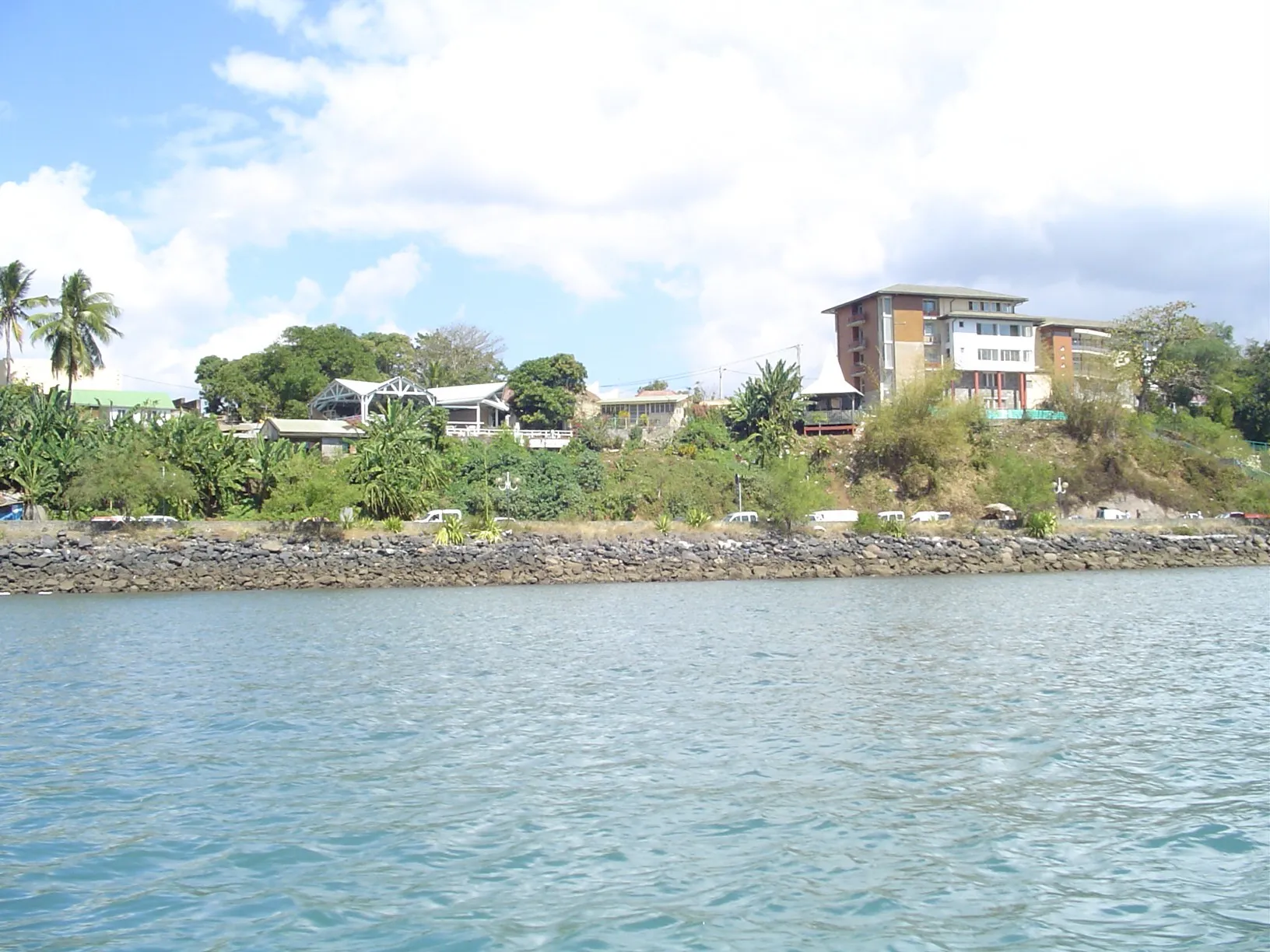 Photo: mwanasimba from La Réunion / Wikimedia Commons (CC BY-SA 2.0)