Cost of Living in Basel
Real market data
Source: Numbeo · September 2026
$3,450/moSolo nomad1-bed centre + living costs
$4,540/moCoupleshared 1-bed + costs
$2,880/moLean / localcheaper area + costs
- 1-bed rent, city centre$2,100CHF 1,699
- 1-bed rent, outside centre$1,530CHF 1,233
- Monthly costs excl. rent (1 person)$1,350CHF 1,092
- Meal, inexpensive restaurant$31CHF 25
- Monthly transit pass$110CHF 86
- Buy price, per m² (centre)$18,560CHF 15,002
Prices are from Numbeo (September 2026), converted to USD at $1 = CHF0.81 (01 Aug 2026). The monthly living-costs figure is our transparent one-person basket, groceries, a few meals out, utilities, phone, internet, transport and essentials, priced from those figures. Solo adds central rent; couple and lean are estimates from the same numbers.
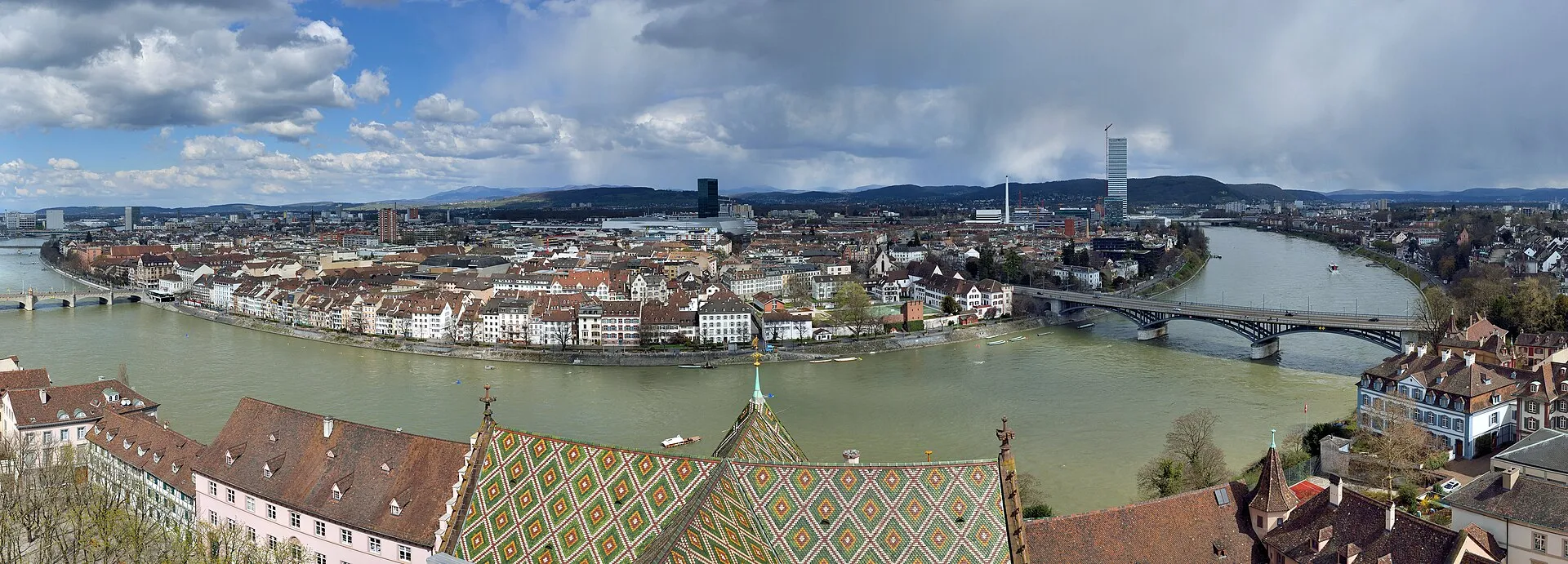
Basel is one of the most expensive cities in Switzerland, which means it sits near the top globally. You are not going to find budget nomad territory here, but the infrastructure and quality of life are exceptional in return.
For rent, a one-bedroom apartment in a central neighborhood like Grossbasel or near the Rhine runs around $2,170-2,470 per month. Move out to areas like Gundeldingen or St. Johann and you can bring that down to $1,480-1,730. Short-term furnished rentals through platforms like Airbnb push those numbers significantly higher, so finding a monthly sublet or a coliving arrangement is worth the effort if you plan to stay more than a few weeks.
Monthly grocery costs for one person run $495-740, depending on whether you shop at Coop, Migros, or premium supermarkets. A sit-down meal at an inexpensive restaurant costs around $30, and a two-course dinner for two at a mid-range spot runs about $125-150. If you cross into Germany or France, you can cut food costs noticeably, and many Basel residents make regular shopping trips across the border.
Coworking hot-desk memberships start around $310-370 per month at budget-friendly spaces and climb to $595-655 at more premium spots. A monthly local transport pass (trams, buses within Basel) costs $110. Internet in an apartment runs about $62-68 per month.
Realistic monthly total (excluding rent): $1,730-2,230. Add rent and you are looking at $3,220-4,700 per month depending on how centrally you live and how much you eat out.
Where to Work
Basel has a solid coworking scene for a city of roughly 180,000 people. Westhive Basel Rosental (Sandgrubenstrasse 44, Rosental quarter) is the most polished option, a 2,600 sqm space with an on-site restaurant, gym, terrace, and day passes for $48. RHIZOM (Steinentorstrasse 19, central) is a boutique independent space in a former factory hall with high ceilings, good natural light, and day passes at $37. Unternehmen Mitte (Gerbergasse 30, city center) is Basel's famous coffeehouse in an old bank hall, with a free-to-sit-in ground floor cafe and a proper coworking space upstairs for $435 per month. kHaus near the Kaserne area in Kleinbasel operates as a community-oriented space for around $310 per month.
Cafe working culture in Basel is moderate, not outstanding. Many cafes are happy for you to sit for a couple of hours with a laptop, but dedicated laptop-friendly spots with reliable power outlets and fast WiFi are rarer than in Berlin or Lisbon. Budget $12-19 per session for drinks. Public WiFi across the city is available but inconsistent in quality, so a local SIM or mobile data plan is worth having. Fiber speeds in apartments and coworking spaces are fast.
Getting Around
Basel is compact and highly walkable. The old town and both main riverbanks are easy to cover on foot, and the tram network is excellent, covering the wider city reliably. Most errands and work commutes within the city are handled on trams or on foot. Cycling is popular and bike lanes are reasonably well laid out, though the terrain is mostly flat, making it comfortable.
Basel has three countries within a short distance: the German city of Freiburg is about 45 minutes by train, and Mulhouse in France is under 30 minutes. This cross-border access is genuinely useful for cheaper groceries, restaurants, and day trips.
The airport (EuroAirport Basel-Mulhouse-Freiburg) sits technically in France, about 9 km from the city center. Bus 50 runs directly from Basel SBB train station to the airport in around 20 minutes for $5.50. There are no trains to the airport itself from Basel city, so the bus or a taxi are your options. Connections are good, with direct flights to many European hubs and a handful of long-haul destinations.
Sorting transport? Book an airport transfer, or compare car rental on Auto Europe and QEEQ.
Visas and Staying Long-Term
Switzerland is part of the Schengen Area. If you hold a US, Canadian, Australian, UK, or most other Western passport, you can enter visa-free and stay up to 90 days within any 180-day rolling period. This is the standard Schengen rule: 90 days in, 90 days out, across all Schengen countries combined.
There is no dedicated digital nomad visa for Switzerland as of mid-2026. Your realistic long-stay options are limited: you can apply for a self-employed or entrepreneur permit if you have a genuine business plan and proof of financial self-sufficiency, or explore a lump-sum taxation arrangement if you are wealthy enough to qualify for the cantonal scheme. For most nomads, the 90-day window is the practical limit before you need to leave Schengen and reset.
From October 2025, Switzerland implemented the EU Entry/Exit System (EES), which collects biometric data (face scan and fingerprints) on your first entry. This does not change the 90/180 rule, but border crossings now take slightly longer.
Best Time to Visit
The most comfortable window for a working stay is May through mid-October. Late spring (May to June) is the sweet spot: mild temperatures of 18-22C (64-72F), long daylight hours, the Rhine promenade is lively, and accommodation prices have not yet peaked. Summer (July and August) is warm and vibrant but busy with tourists and the Art Basel crowd (Art Basel runs in June), which pushes hotel prices sharply upward. If you want energy and street life, summer delivers it.
September and early October are excellent for focus work: the tourist rush fades, the weather stays pleasant (16-20C), and the city settles into a productive autumn rhythm. Winters are cold and grey, with temperatures sitting between 0-7C (32-45F), occasional fog, and little snow. The Christmas markets in December are charming and Basel has a genuine local feel in winter, but if you rely on outdoor time for your routine, January and February are tough.
Pros and Cons
- Exceptional infrastructure: Fast internet, reliable public transport, and a city that simply works.
- Three-country access: Germany and France are minutes away, adding cheap food, day trips, and variety.
- World-class museums and culture: Art Basel, the Kunstmuseum, and dozens of smaller institutions make this one of the most culturally dense small cities on the continent.
- Clean and organized: Streets, parks, the Rhine banks, and public spaces are immaculate.
- International community: A pharma and biotech hub, Basel is used to expats and English is widely spoken in professional circles.
- Very high cost: Among the top five most expensive cities in Europe for a monthly stay. Your runway burns fast here.
- No nomad visa: The 90-day Schengen cap is a hard stop for most passport holders.
- Limited coworking density: The scene is decent but smaller and more expensive per day than similarly sized cities in southern Europe.
- Quiet social scene: Basel is not a party city. Nightlife is limited compared to Zurich or Berlin, and the city can feel quiet midweek outside of festival periods.
- Weather in winter: Cold, grey, and frequently foggy from November through February.
- Theft: Basel-Stadt records the highest theft rate of any Swiss canton, 3.5 times the national rate (Eurostat, 2024), so keep your bag off the back of the cafe chair.
Who Basel Is Best For
Basel works best for nomads who have the budget to absorb Swiss prices and want maximum stability: fast internet, zero friction with logistics, physical safety, and a beautifully organized city. If you are a senior professional, consultant, or founder with clients in European time zones, Basel's combination of infrastructure and cultural reputation makes it an easy base for short productive sprints.
It also suits people who genuinely value museums, architecture, and access to the Rhine, the Black Forest, and Alsace. If your idea of a good remote work stretch includes a Saturday at the Kunstmuseum and a Sunday bike ride into France, Basel delivers that without effort.
Skip Basel if you are budget-conscious, need more than 90 days in Schengen, or are looking for a buzzing nomad community with regular meetups and co-living energy. It is not a digital nomad hub in the way Lisbon or Chiang Mai are. It is a serious, refined city that rewards those who can afford to be there and appreciate what it offers.