Cost of Living in Klaipėda
Real market data
Source: Numbeo · August 2026
$1,220/moSolo nomad1-bed centre + living costs
$1,720/moCoupleshared 1-bed + costs
$1,000/moLean / localcheaper area + costs
- 1-bed rent, city centre$600€520
- 1-bed rent, outside centre$380€331
- Monthly costs excl. rent (1 person)$620€541
- Meal, inexpensive restaurant$13€11
- Monthly transit pass$33€29
- Buy price, per m² (centre)$2,650€2,301
Prices are from Numbeo (August 2026), converted to USD at $1 = €0.87 (01 Aug 2026). The monthly living-costs figure is our transparent one-person basket, groceries, a few meals out, utilities, phone, internet, transport and essentials, priced from those figures. Solo adds central rent; couple and lean are estimates from the same numbers. The guide below quotes its own monthly range, which is a different measurement rather than a competing one: this table prices a defined basket at the figures above, while that range is a judgement about how somebody actually lives here.
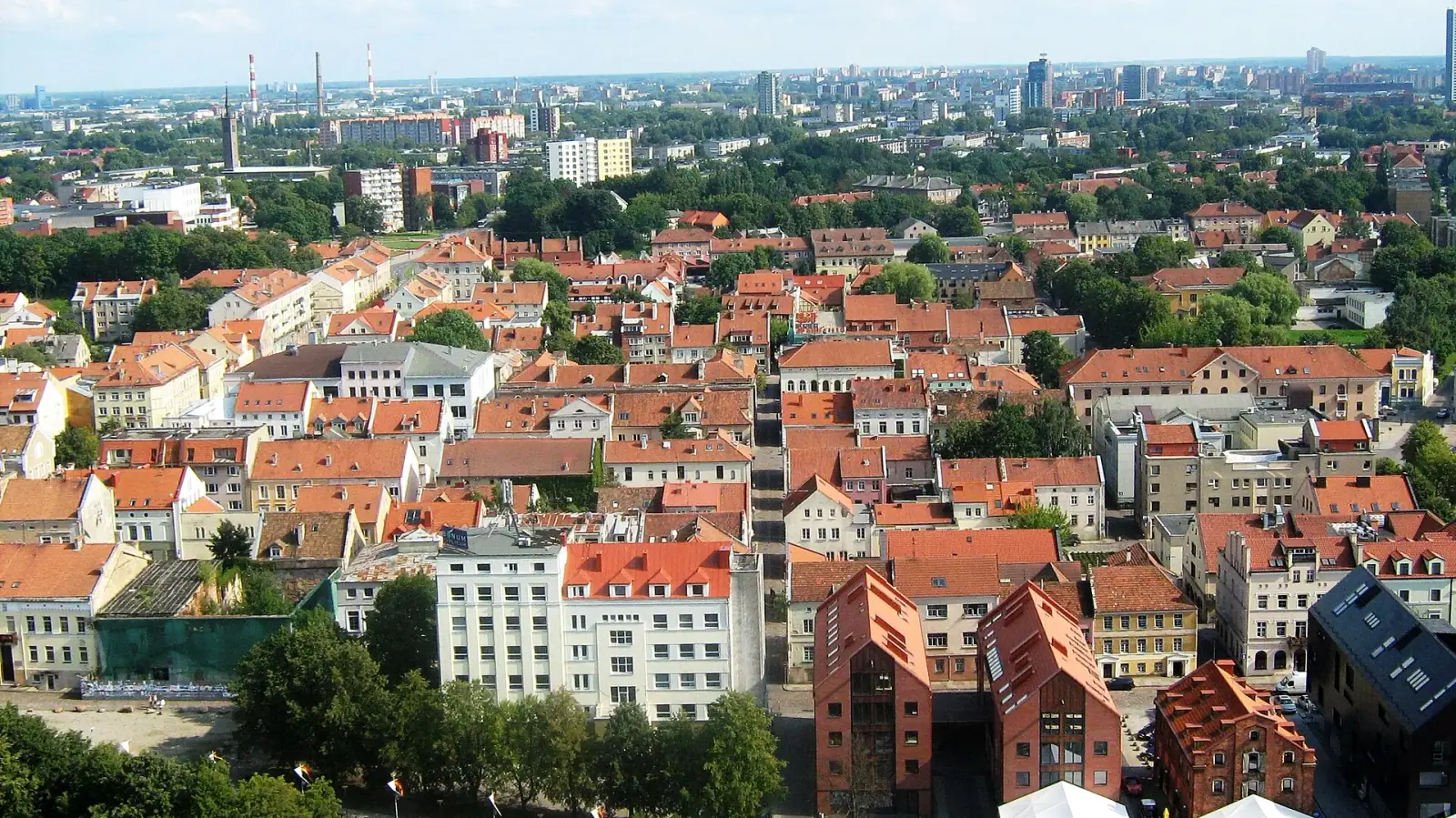
Klaipėda is the most affordable of Lithuania's three main cities. Your biggest expense is rent. A one-bedroom apartment in the Old Town or city center runs roughly $575-805 per month. Move to the suburbs or the Bandužiai district and that same apartment costs $405-575. Shared apartments bring costs down further.
Beyond rent, here is a realistic monthly breakdown for a solo nomad:
- Rent, 1-bedroom central: $575-805
- Rent, 1-bedroom outer area: $405-575
- Groceries: $175-290
- Eating out (casual, 3-4x per week): $115-205
- Coworking hot-desk (monthly): $115-230
- Local transport (bus/minibus): $17-35
- Mobile SIM with data: $3.50-6
- Utilities (if not included): $69-115
Total realistic range: $1,270-1,840 per month living comfortably. You can get by on less if you cook at home and share accommodation. Eating out is genuinely cheap: a sit-down lunch costs around $9-14, a coffee around $2.50-3.50.
Where to Work
Klaipėda has a small but real coworking scene. Lighthouse Hub (Liepų str. 83) is the standout option, one of the largest coworking spaces in the Baltic states, with over 140 workspaces, standing desks, phone booths, a meditation room, on-site gym, and a restaurant in the same building. It offers 24/7 access. Fabrique (Liepų str. 48) combines coworking with a climbing wall, 30 workspaces, a cafe, and 24/7 access. Kultūros Fabrikas (Bangų str. 5A) is a cultural center with event and coworking space in a converted factory building near the river.
For cafe work, Musangas Coffee Roasters (H. Manto g. 9) is Klaipėda's first specialty coffee roaster, free WiFi and a good atmosphere. 10 Tiltų (Turgaus str. 19, Old Town) is a community-oriented cafe popular with remote workers and artists, with a 4.6 Tripadvisor rating. Note that Kavos Architektai, another well-loved coffee shop on H. Manto str., intentionally has no WiFi.
The real WiFi situation is mixed. Fixed home broadband and coworking connections are fast. Public cafe WiFi is patchier. For serious work, use a coworking space or invest in a local SIM with a data plan, which costs very little and supports tethering well.
Getting Around
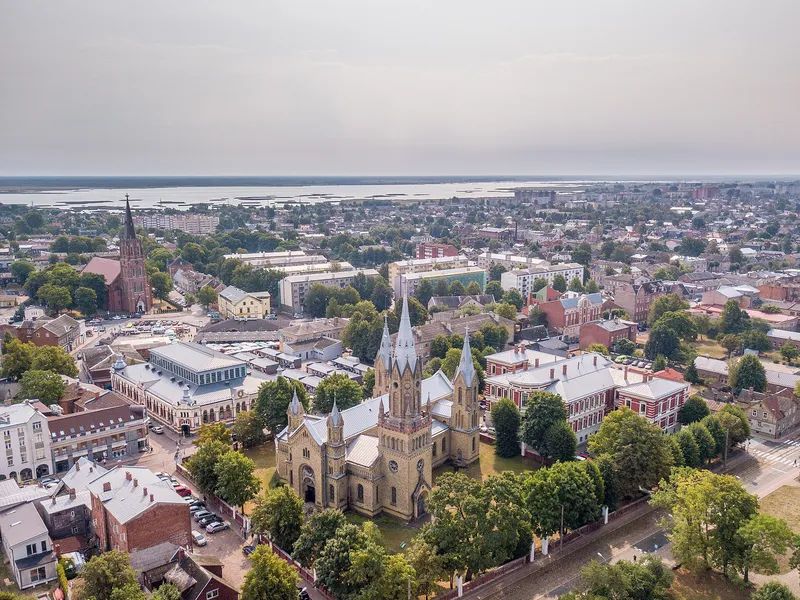
The Old Town is compact and genuinely walkable. Most cafes, restaurants, and the main commercial strip along Liepų gatvė are within 15-20 minutes on foot of each other. Cycling is practical too, though you will encounter cobblestones in the historic center.
The city has buses, trams (three main routes), and a well-used network of privately run minibuses (maršrutinis taksi) that run around the clock. A single bus ticket from a kiosk costs $1, or $1 if you pay the driver. Monthly passes are cheap. Bolt taxis are available and inexpensive for a medium-size Lithuanian city.
The nearest airport is Palanga Airport (PLQ), about 30 km north of the city. Regular shuttle buses connect it to Klaipėda's main bus station for around $2.50-3.50. A taxi or Bolt costs approximately $29-35. Klaipėda is also a ferry port with connections to Kiel (Germany) and Karlshamn (Sweden), which opens an interesting travel option for EU-bound nomads. The Curonian Spit, a UNESCO natural reserve, is a short ferry ride across the lagoon.
Sorting transport? Book an airport transfer, or compare car rental on Auto Europe and QEEQ.
Visas and Staying Long-Term
Lithuania is part of the Schengen Area. Citizens of the USA, Canada, Australia, New Zealand, the UK, and most other Western countries can enter visa-free and stay up to 90 days within any 180-day period across the entire Schengen zone. If you spend 90 days in Lithuania, that quota applies to all Schengen countries combined.
Lithuania does not have a standalone digital nomad visa. The closest option is the National Visa (D) for Remote Work, which allows you to live and work legally in Lithuania for up to one year. The minimum income requirement is high at around $6,290 per month, which makes it unsuitable for most nomads. Processing takes 15-45 days and applications go through a Lithuanian embassy or consulate.
There is no straightforward long-stay option for nomads earning below that threshold. Most people cycle within the Schengen 90/180 rule.
Best Time to Visit
Klaipėda sits on the Baltic coast and has a milder maritime climate than inland Lithuania, but winters are still cold, grey, and damp. Temperatures from November to March regularly drop to 0-5°C (32-41°F), with occasional snow and persistent overcast skies. This is not inspiring weather for exploring the city, though coworking spaces keep things productive indoors.
The clear sweet spot for a nomad stay is May through September. June, July, and August bring average highs of 20-23°C (68-73°F), long daylight hours (up to 17 hours in June), and the city comes alive with the Sea Festival in July, the largest street festival in Lithuania. The Curonian Spit beaches are swimmable in summer. September is quieter, cheaper, and still pleasant at 15-19°C.
May and early October are good shoulder choices: fewer tourists, lower short-term rental prices, and enough decent weather to enjoy the harbor and Old Town on foot.
Pros and Cons
- Very affordable by Western European standards, among the cheapest cities in the EU
- Safe city with low violent crime and well-maintained public spaces
- Excellent fixed internet at home and in coworking spaces
- Unique location with the Curonian Spit, ferry port, and Baltic coast right on your doorstep
- Compact Old Town with genuine historic German-Prussian fachwerk architecture
- Good air quality for a port city
- Limited English in daily life; Russian is more widely spoken than English among older residents
- Small nomad community, no established co-living scene or regular meetups
- Long, dark winters that can be isolating if you are sensitive to grey weather
- Fewer activities than Vilnius or Riga; nightlife and cultural events are modest outside summer
- No direct international hub airport, Palanga handles limited routes and Vilnius requires a 3-hour bus ride
- Cafe WiFi is patchy; coworking is more reliable but the scene is small
Who Klaipėda Is Best For
Klaipėda works well for nomads who want deep-focus work time in a quiet, affordable EU city without the crowds or costs of more fashionable destinations. If you value clean air, safe streets, and easy access to nature (the Curonian Spit is extraordinary), and you are comfortable being self-sufficient socially, you will find it a productive base.
It is a particularly good fit for people who plan to travel the rest of the Schengen zone by ferry or train and want a low-cost operational home base. It also suits those doing a longer stay in Lithuania who want somewhere cheaper and quieter than Vilnius with better nature access than Kaunas.
Skip Klaipėda if you need a large English-speaking community, a buzzing nomad scene, frequent international flights, or year-round warm weather. If you arrive outside the May-September window expecting a vibrant port city atmosphere, you are likely to find the reality quieter and greyer than expected.