Cost of Living in Bhubaneswar
Where this figure comes from. No cost survey covers Bhubaneswar, so the $480 a month above is our own estimate rather than a measurement. On 416 of our 999 city guides the figure is built from a published Numbeo basket, a one-bedroom rent in the centre plus one person's monthly costs without rent, converted to USD; this city is not one of them. How we source everything.
Bhubaneswar runs about $480 a month for one person, which is low even against other Indian state capitals. A furnished one-bedroom in Saheed Nagar or Jaydev Vihar is $110 to $200; a room in a shared flat near KIIT is half that. A thali at a local place is under a dollar, and dinner for two at a good restaurant is $10 to $14. Coworking exists around Infocity and Chandrasekharpur at $50 to $100 a month for a hot desk. Autos are $1 to $3 across town and the city runs an app-based e-rickshaw network. Home fibre is $8 to $12 monthly, and utilities add $25 to $40 depending on air conditioning use. Leases here are written for eleven months rather than a year, a convention that exists to stay outside the registration requirement, and they roll over by agreement rather than automatically. A broker takes a month for finding the flat and the owner takes two or three months as advance, so the first payment is far larger than the monthly figure suggests. Cooking gas arrives as a cylinder booked by phone and swapped at the door, which is a cost nobody budgets for until the first one runs out mid-week.
Where to Work in Bhubaneswar
The IT corridor at Infocity and Chandrasekharpur is where the coworking is, serving the software companies and the KIIT and NISER campuses rather than visitors. A hot desk is $50 to $100 a month and private cabins run higher; the spaces are practical and quiet and the connections are business grade. Home fibre from BSNL, Airtel or a local operator costs $8 to $15 a month, remarkably cheap for a dependable line. Cafes in Saheed Nagar and around the Esplanade mall are workable for a couple of hours. Power is more reliable here than the region's reputation suggests, though a UPS is standard in most flats. The state runs on mining and steel, and although the pits and the plants are hundreds of kilometres inland, the head offices, the regulators and the consultants that go with them all sit in the capital, which is the quiet engine behind the demand for desks. Administration works in the local script as well as in English, and a form that arrives in one may need to go back in the other. The professional day starts late by regional standards and runs well into the evening, so an early European call is easier to arrange than a late one.
Getting Around Bhubaneswar
Bhubaneswar is unusual in India for having been planned, first by the Kalinga kings and again in 1948 by the German architect Otto Konigsberger, so the newer parts are laid out on a grid with wide roads. Autorickshaws are cheap and Ola and Uber both work. The Mo Bus city network is clean, air conditioned on some routes and costs pennies. Distances are real, so a scooter at $60 to $80 a month is worth it if you are staying. The airport is 4km from the centre with domestic flights and connections to Bangkok, Singapore and Dubai. Puri and the sun temple at Konark are 60 and 65km away, both easy day trips by train or car.
Sorting transport? Book an airport transfer, or compare car rental on Auto Europe and QEEQ.
Visas for Bhubaneswar
India's e-visa system covers most nationalities in 30-day, one-year and five-year forms, all applied for online before travel. The longer versions allow multiple entries but limit the total to 180 days in India in each calendar year, so a one-year visa does not mean a year in the country. There is no digital nomad visa, and remote work for a foreign employer sits in a grey area India has never clarified. Stays beyond 180 days require FRRO registration. In-country extensions are hard to obtain for tourists, so long stayers generally plan an exit and a fresh entry rather than counting on an extension. Every hotel is required to file a form with the immigration bureau for each foreign guest, which is why a passport is copied at check-in everywhere, and why staying informally with a friend puts that obligation on the host instead. A local mobile number is issued against the passport and the visa page together, takes a day to activate, and is the thing most other services quietly depend on. Journalism and research are separate visa categories rather than activities a visitor may undertake, and the distinction is taken seriously enough that academics arrive on the right document.
Best Time to Visit Bhubaneswar
November to February is the season, with highs in the high 20s, cool mornings and dry air, and it is also when Odisha's festival calendar is busiest. March to May is severe: Bhubaneswar regularly passes 40C in April and May and the humidity from the Bay of Bengal makes it worse. The southwest monsoon arrives in June and runs to September, dropping well over a metre of rain and turning the temple stone dark and green. October is the transition month and often pleasant. Cyclone season is a genuine consideration on this coast, with the higher risk in October and November and again in May; the state's evacuation planning is among the best in India. The chariot festival in the temple town down the coast falls in the first weeks of the rains and pulls a crowd counted in the hundreds of thousands, which closes the road south for days and is either the reason to be here or the week to be elsewhere. A dance festival is staged against the sun temple in December, outdoors and after dark, and it is the one cultural event worth planning a trip around. Winter mornings inland are cool enough for a jacket, which surprises anybody who came expecting heat.
Pros and Cons of Bhubaneswar
What Bhubaneswar has is historical depth at a very low price. It is one of the oldest continuously inhabited temple cities in India, with several hundred Kalinga-style shrines still standing, the Udayagiri and Khandagiri caves on its edge, and Puri and Konark an hour away. It is also a planned city with a functioning IT corridor, cheap fast fibre, good hospitals and a real airport. April and May are punishing, the monsoon is heavy going, the cyclone risk is real, air quality is mediocre, and there is essentially no foreign community. English is common in the professional city but less so elsewhere, and nightlife is limited.
Who Bhubaneswar Is For
An interest in India rather than in a nomad scene, and a want of somewhere cheap with functioning infrastructure and a great deal to look at. If temple architecture, archaeology or Indian history is the reason you are travelling, few cities on this site offer more per dollar. Two or three months over the winter is what most people should plan for, with Puri, Konark and the Chilika lagoon taken as trips out of the city. Other foreigners are scarce here, the city sprawls rather than gathering into a walkable centre, the nightlife is minimal, and a summer stay in coastal Odisha is not something to attempt on purpose. Anyone new to India would have an easier time starting in Bangalore, Kochi or Jaipur.
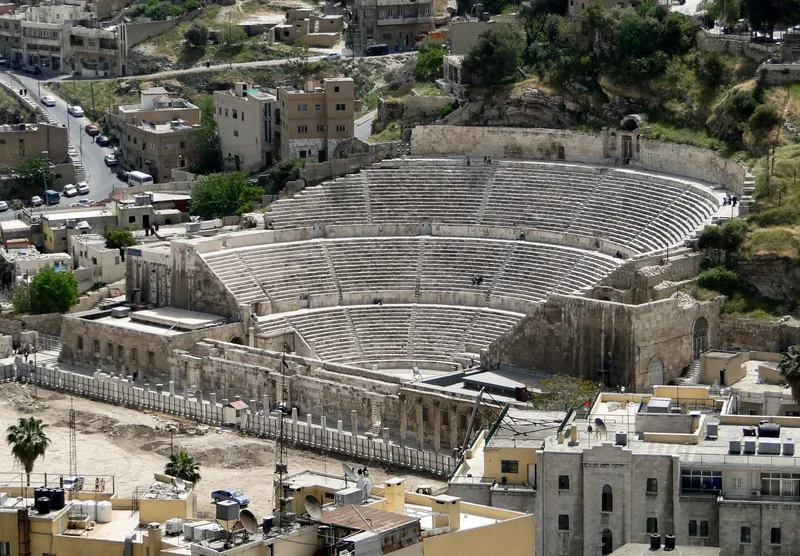
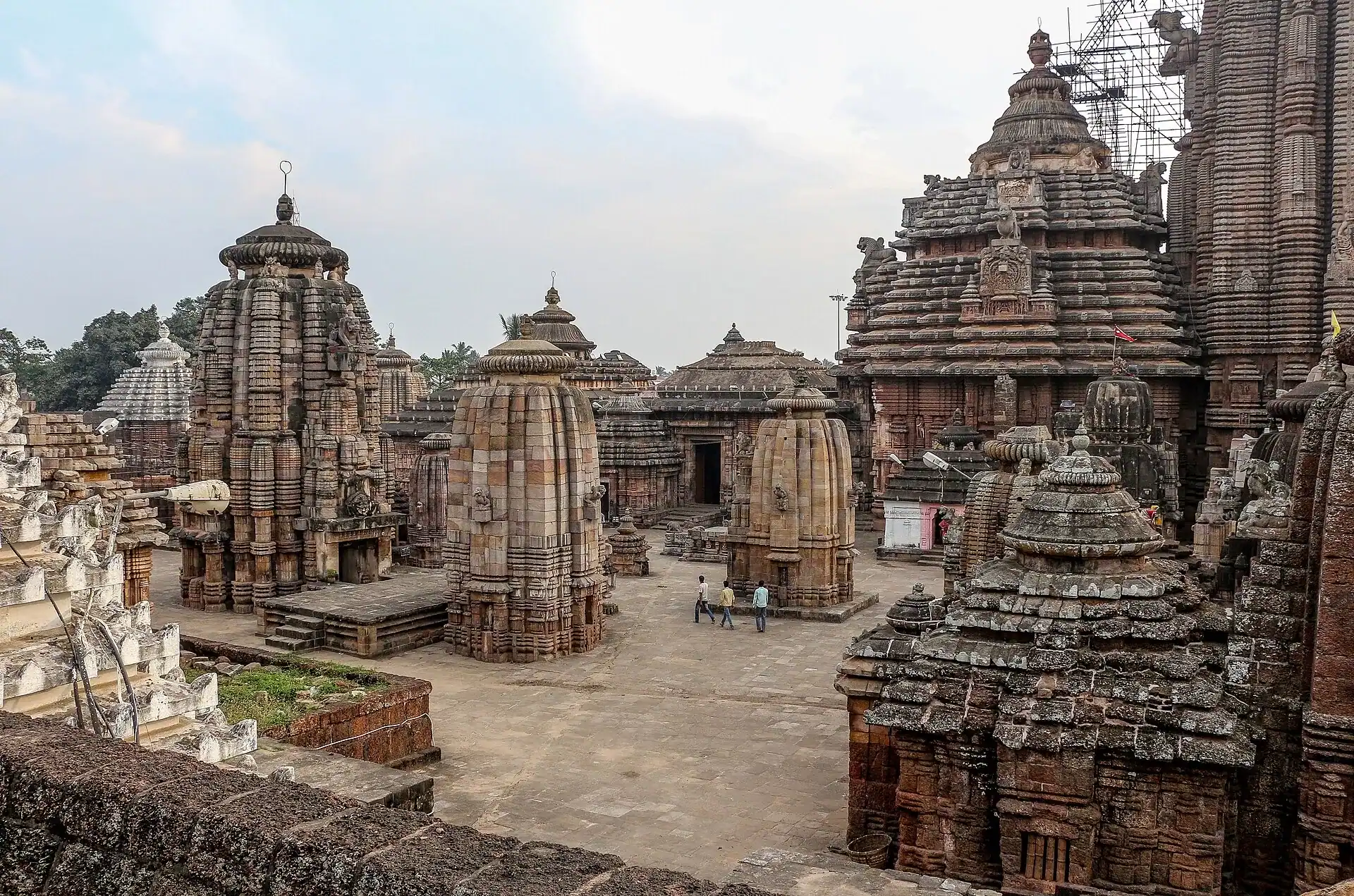 Photo: Bernard Gagnon / Wikimedia Commons (CC BY-SA 3.0)