Cost of Living in Sao Luis
Where this figure comes from. No cost survey covers Sao Luis, so the $700 a month above is our own estimate rather than a measurement. On 416 of our 999 city guides the figure is built from a published Numbeo basket, a one-bedroom rent in the centre plus one person's monthly costs without rent, converted to USD; this city is not one of them. How we source everything.
Budget around $700 a month. A one-bedroom runs roughly $200 to $400, with the beach districts of Ponta d'Areia and Calhau at the top and the historic centre considerably cheaper, since much of it is in poor repair. Market produce is cheap and Maranhao's food is distinctive, with cuxa, a sour leaf stew, and arroz de cuxa found nowhere else in Brazil. Eating out is inexpensive. Utilities are moderate and air conditioning is the main cost. The real's movements against the dollar have been substantial, so foreign earners find Brazil considerably cheaper than they did a decade ago. Anything in a building with a doorman and controlled access carries a monthly condominium fee on top of the rent, and in Sao Luis that is what most foreigners end up choosing, so budget it rather than reading the rent alone. And a Brazilian landlord will usually want either a guarantor with local property or several months paid up front, which is the single biggest friction for a new arrival. Private health insurance is cheap by American standards and worth having, since the public system is stretched here.
Where to Work in Sao Luis
Connectivity is moderate. Fibre reaches the newer districts at reasonable speeds and prices, and mobile data covers the city, though the historic centre's infrastructure is older and patchier. Power is generally reliable. There is a small coworking scene in the newer part of town. The time zone is three hours behind GMT, which gives an excellent European overlap in the morning and a full American afternoon, and is one of the more useful positions on this site for anyone working across both. Sao Luis does not observe daylight saving, since Brazil abolished it in 2019. Heat rather than bandwidth is what shapes the working day. It is hot and humid in every month, and anywhere without air conditioning is unworkable by mid-morning, which rules out most of the picturesque options in the old town. The federal university gives the city a research population and is the main source of anything resembling a professional network. Portuguese is essential, English is genuinely rare, and translation apps carry more of the load here than they do in the south of the country. Heavy rain occasionally takes the power with it.
Getting Around Sao Luis
The historic centre is walkable and is best seen that way, though the hills and the cobbles are hard work. Buses cover the city cheaply and ride-hailing apps work well and are inexpensive. A car helps for reaching the beaches, which are strung along the northern coast of the island. Marechal Cunha Machado International Airport has flights to Sao Paulo, Brasilia, Fortaleza and Belem. The road east to Barreirinhas, the gateway to the Lencois Maranhenses dunes, takes about four hours and is the trip most visitors are here for. Anyone heading to the Lencois should note that the final leg is by four-wheel drive across sand, and that the lagoons are reached on foot from where the vehicle stops. Alcantara, across the bay, is far better reached by boat than by road, a colonial town left half-ruined when the imperial capital's plans changed, and the crossing takes about ninety minutes on a schedule set by the tide. In the city itself, use ride-hailing rather than walking once it is dark, which is standard local advice rather than an over-cautious foreign version of it.
Sorting transport? Book an airport transfer, or compare car rental on Auto Europe and QEEQ.
Visas for Sao Luis
Brazil grants visa-free entry of ninety days to citizens of most European countries and the United Kingdom, and reinstated visa requirements for United States, Canadian and Australian citizens in 2025, who now need an e-visa applied for online in advance. Stays can usually be extended once to a total of one hundred and eighty days per year. Brazil also operates a digital nomad visa, valid for a year and renewable, requiring proof of remote employment abroad and an income above a stated monthly threshold, which is straightforward by regional standards. The document that unlocks daily life is the CPF, the taxpayer number, needed for a phone contract, a bank account and even some online purchases, and foreigners can obtain one relatively easily. Extensions are handled by the Policia Federal and are best started well before the ninety days expire rather than in the final week. Overstaying attracts a capped daily fine, payable on departure and not otherwise an obstacle to leaving, though it can complicate a later application. Keep the entry record, since the stamp is what any extension is calculated from.
Best Time to Visit Sao Luis
July to December is the dry season and the practical window, warm at around thirty degrees. The crucial timing is for the Lencois Maranhenses: the dunes fill with rainwater lagoons between roughly June and September, with July and August the peak, and outside that window they are simply dunes. January to May is the wet season and Sao Luis is genuinely wet, receiving over two metres a year. The Bumba Meu Boi festival in June is the state's great cultural event and fills the city for weeks. Anyone timing a trip around the lagoons should aim for late July or August, when they are fullest and warmest, since by October many have drained away entirely. The wet season is worth understanding rather than simply avoiding: the rain arrives in intense bursts, usually in the afternoon, rather than settling in for the day, and it is what fills the lagoons that make the dunes famous a few months later. Humidity stays high in every month. Late in the dry season, through October and November, the city is at its hottest and the lagoons have largely drained, which is the worst combination for a first visit.
Pros and Cons of Sao Luis
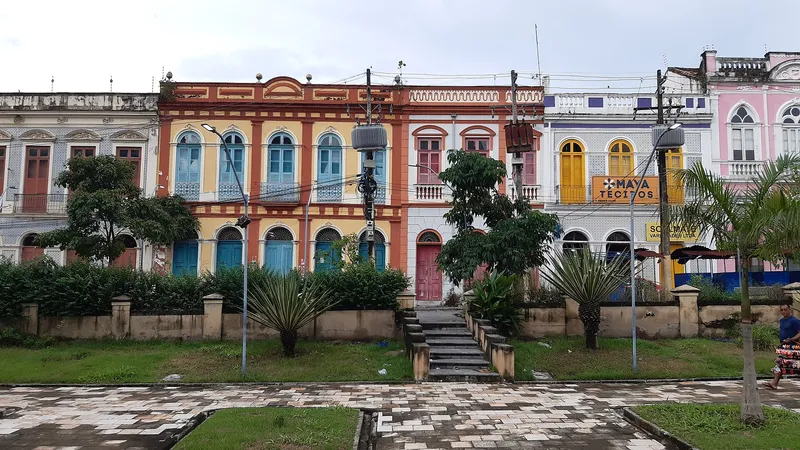
Sao Luis has a UNESCO-listed historic centre of several thousand buildings faced in Portuguese azulejo tiles, the largest such ensemble anywhere in Latin America, founded by the French, held by the Dutch, and kept in the end by the Portuguese. Maranhao's culture, particularly the Bumba Meu Boi and the reggae scene that made Sao Luis the Brazilian Jamaica, is genuinely distinctive. The Lencois dunes are four hours away. Much of that centre is now decayed and unsafe after dark, and the city has serious crime problems of its own to deal with. The security question deserves specifics rather than a warning label. The risk is opportunistic street crime rather than anything aimed at visitors, it concentrates in the old centre after dark and in a few outer districts, and the practical response is the one residents already use: no phone in your hand on the street, ride-hailing at night, nothing worn that is worth taking. Restoration of the centre has been under way for years in fits and starts and funded unevenly, so the ensemble is simultaneously extraordinary and visibly deteriorating.
Who Sao Luis Is For
Anyone interested in colonial architecture, in Afro-Brazilian culture, or in the parts of Brazil that the Rio and Salvador circuit misses. It suits people working across Europe and the Americas, since the time zone serves both. It suits anyone heading for the Lencois Maranhenses, which is one of the strangest landscapes in South America. The security problem here is real rather than a matter of perception, the historic centre is crumbling rather than polished despite the UNESCO listing, and Portuguese is essential because English is genuinely rare in this part of Maranhao. Reggae is not a novelty in this city. Sao Luis has the largest Jamaican music scene anywhere outside the Caribbean, and the radio stations have been playing it without interruption since the 1970s. Anyone choosing a northeastern base rather than a specific destination will probably be better served by Fortaleza, which is larger, safer and better connected, so this city makes more sense as a deliberate choice than a default one. A week or two is enough for most people, and a longer stay wants a reason behind it, whether the culture, the language or the university. It suits travellers who have already seen the obvious Brazil and want the version that has not been arranged for them.
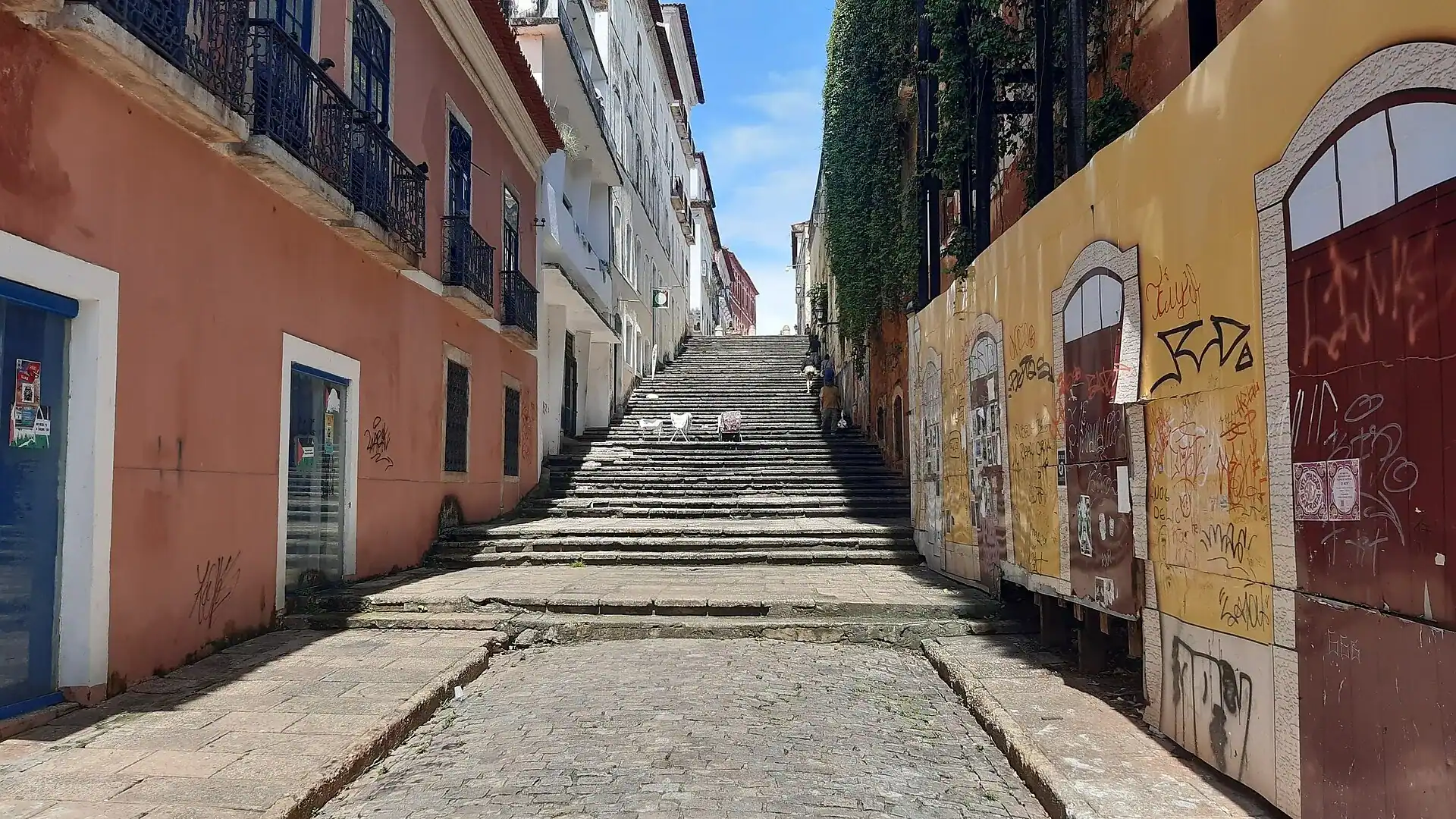 Photo: Ridiculopathy / Wikimedia Commons (CC0)