Cost of Living in Douala
Where this figure comes from. No cost survey covers Douala, so the $950 a month above is our own estimate rather than a measurement. On 416 of our 999 city guides the figure is built from a published Numbeo basket, a one-bedroom rent in the centre plus one person's monthly costs without rent, converted to USD; this city is not one of them. How we source everything.
Budget around $950 a month as a solo remote worker in Douala, which is moderate for central Africa though the city is more expensive than its neighbours because it is the region's main port. A one-bedroom place runs roughly $300 to $600, with Bonapriso and Bonanjo at the top of that and the outer quarters well below. Food from the markets is cheap and Cameroonian cooking is among the best in the region. Imported goods carry a heavy markup. The CFA franc is pegged to the euro, which removes currency volatility entirely. This is our own estimate rather than measured data. The CFA peg is worth understanding properly: it is fixed to the euro at a rate that has not moved since 1999, which removes exchange risk against Europe entirely and means the currency does not absorb local shocks the way a floating one would. Fibre runs $50 to $100 a month for modest speeds, and a generator is a standard household cost rather than an unusual one.
Where to Work in Douala
Douala's connectivity is workable rather than good: fibre reaches parts of the commercial districts, mobile data from MTN and Orange is the usual answer, and speeds are modest for the price. Power cuts are frequent and any serious office runs a generator. There is a small startup and coworking scene, more developed than the country's profile suggests, concentrated around Bonanjo and Akwa. French is the language of everything in Douala, which sits in the francophone Littoral region; English is Cameroon's other official language but you will not get far on it here. Cameroon sits one hour ahead of GMT, which puts it in the same working day as Europe and makes it one of the more convenient African bases for European clients. Mobile money through MTN and Orange handles most everyday payment, and a local SIM registered on arrival is the first practical step. Cocoa, timber and aluminium leave through this port, the smelter an hour south running on hydro power off the river, and the trading houses handling all of it are the commercial layer the city actually runs on.
Getting Around Douala
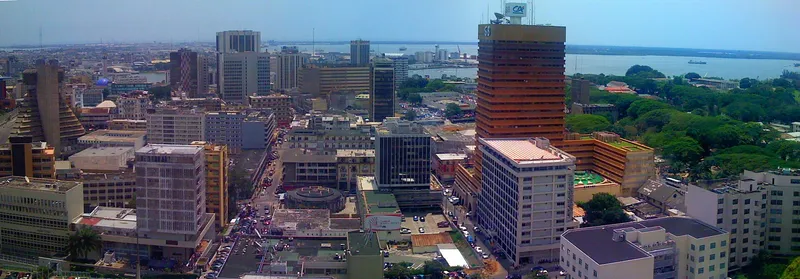
Douala is a large, hot, congested port city and it is not walkable in any meaningful sense. Yellow shared taxis are the standard way to move and cost very little, hailed by calling out your destination and a price. Motorcycle taxis, the bendskin, are faster and considerably more dangerous. Traffic is heavy and the rain floods the streets regularly. Douala airport has connections across Africa and to Paris and Brussels. Kribi, with beaches and the Lobe Falls that drop straight into the sea, is around three hours south and is the escape most residents take. The Wouri bridge is the single crossing between the port and the western districts and it is a bottleneck at both ends of the day. Douala's rain floods the low-lying quarters quickly and a heavy downpour can strand traffic for hours, which is a routine part of the wet season rather than an exceptional event.
Sorting transport? Book an airport transfer, or compare car rental on Auto Europe and QEEQ.
Visas for Douala
Cameroon requires a visa of almost all visitors, and since 2023 an e-visa system has replaced most consular applications, issued for thirty or ninety days with an approval usually returned within days. A yellow fever certificate is required on entry. There is no remote work visa. Longer stays require a residence permit arranged through an employer or a local sponsor. Anyone planning travel beyond Douala should read current government advice carefully: the Far North faces a Boko Haram insurgency and the Northwest and Southwest regions have been in armed conflict since 2017. The e-visa is applied for online and collected on arrival, with the approval letter needed at check-in as well as at immigration, so it should be printed rather than left on a phone. Registration with the local authorities is expected for longer stays and is normally handled by an employer or a host. Photographing government buildings, bridges, the port or anybody in uniform is prohibited, and the rule is enforced rather than nominal, which is the single most common way a visitor here ends up in a long conversation with the police.
Best Time to Visit Douala
Douala sits just north of the equator on a wet coast and it is hot and humid all year, around thirty-one degrees with humidity that never drops. The calendar turns entirely on rain. December to February is the short dry season and by far the most comfortable window. The long rains from June to October are extraordinary: Douala is one of the wettest large cities in the world, and nearby Debundscha at the foot of Mount Cameroon is among the wettest places on earth. August is the peak and the city floods regularly. Debundscha, two hours west, records over ten metres of water in a year, and that number is what the long rains actually amount to along this stretch of coast. The short dry season in December and January is when anything outdoors is realistically planned. Humidity at this level attacks equipment rather than merely comfort: camera lenses grow fungus, leather goes green and a laptop shut in a cupboard for a fortnight comes out smelling of it. A dry box or a handful of silica packs earn their place in the luggage.
Pros and Cons of Douala
Douala is the economic engine of central Africa, with a port that serves several landlocked countries, a food culture that is among the continent's best, real business energy, and the euro-pegged CFA franc removing currency risk. Kribi's beaches and Mount Cameroon are within a few hours. The climate here is genuinely punishing, the city is congested and short on charm, French is essential to daily life, crime requires real caution, and the Anglophone conflict in the neighbouring Southwest region means the obvious excursions towards Buea and Limbe carry a security warning that should be read rather than assumed away. Mount Cameroon is an active volcano and West Africa's highest peak at just over 4,000 metres, with an annual race to the summit and back that is one of the hardest mountain races anywhere, though reaching it means the Southwest region and its current advisory.
Who Douala Is For
A French speaker with business in central Africa needs the best flight connections in the region and its main port, and puts up with the heat and the congestion to get them. It is a working city rather than a destination. French is required and English will not substitute, the humidity is constant rather than seasonal, and this is a working port city rather than anywhere pleasant to sit for an afternoon with a laptop. Anyone planning to travel around Cameroon should read the current regional advisories properly before deciding where they can go. Anyone whose interest is Cameroon's landscape rather than its commerce should look at Yaounde or the west, since Douala is the port and behaves like one. Working across the CEMAC bloc effectively requires being here. The port and airport serve Chad, the Central African Republic and both Congos, which makes this the practical hub for a region that offers very few alternatives.
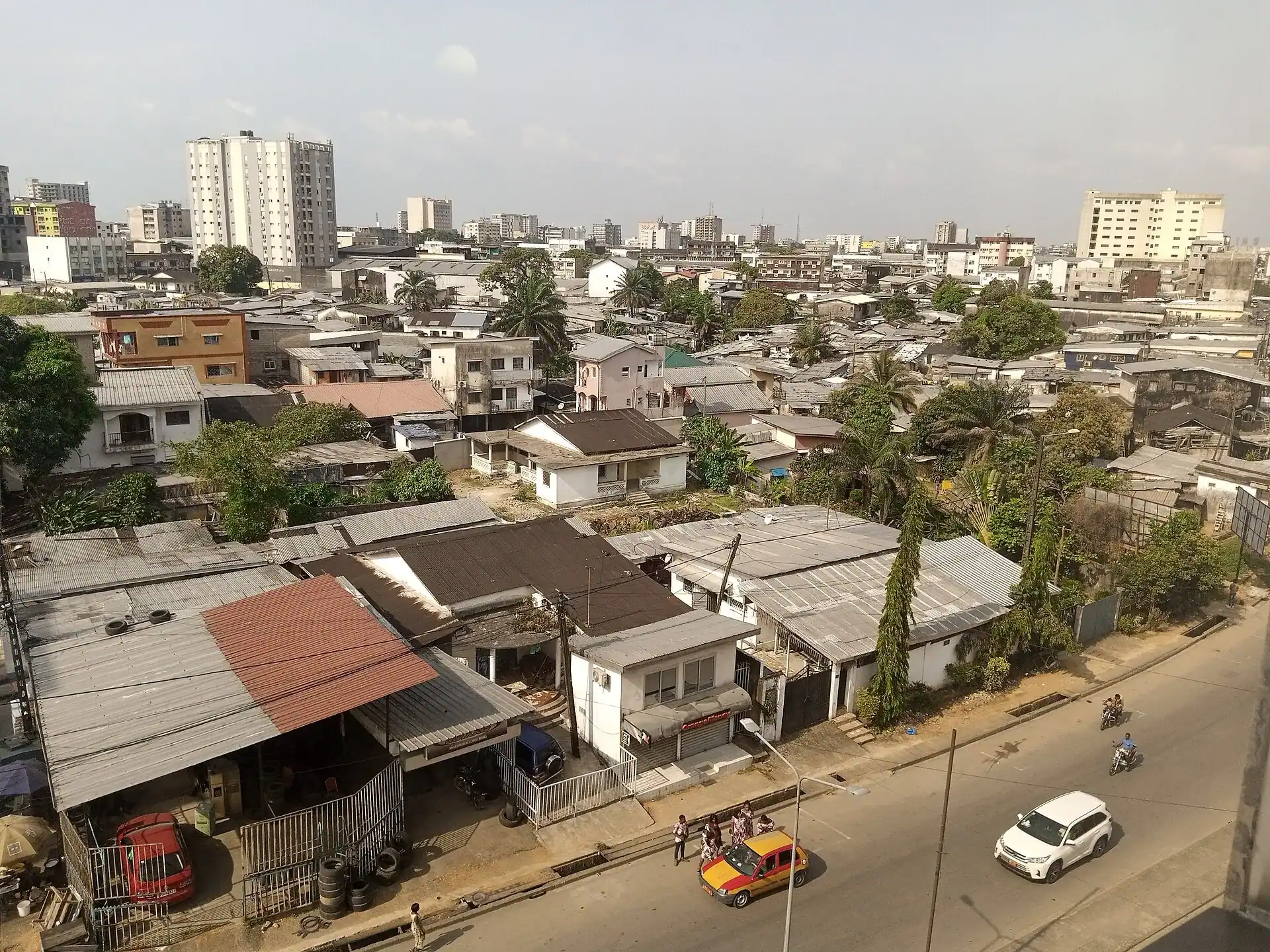 Photo: Olivier Charly1 / Wikimedia Commons (CC BY-SA 4.0)