Cost of Living in Ifrane
Where this figure comes from. No cost survey covers Ifrane, so the $800 a month above is our own estimate rather than a measurement. On 416 of our 999 city guides the figure is built from a published Numbeo basket, a one-bedroom rent in the centre plus one person's monthly costs without rent, converted to USD; this city is not one of them. How we source everything.
Budget around $800 a month as a solo remote worker in Ifrane, which is cheap by any international measure but not by Moroccan ones, since the university and the summer visitors keep local prices above what a town this size would otherwise charge. A one-bedroom flat runs roughly $250 to $400, with the chalets near the centre at the top of that and Hay Riad and the outer streets below it. Food is inexpensive and the Middle Atlas produce is good. Heating is a real winter line item here in a way it is nowhere else in Morocco. This figure is our own estimate rather than measured data. Heating is the line that separates Ifrane from the rest of Morocco: at 1,650 metres the winter is genuinely cold and a poorly insulated flat can cost $80 to $150 a month in gas between December and February, which nobody budgets for after reading about Marrakech. Fibre runs about $25 to $40 a month. The university calendar also moves the rental market noticeably, with the best options gone before term starts.
Where to Work in Ifrane
Ifrane has no dedicated coworking, but Al Akhawayn University dominates the town and its presence changes what is available: the cafes around the campus are used to people working, English is spoken far more widely than in comparable Moroccan towns, and the general standard of infrastructure is higher. Moroccan fibre reaches the built-up area and mobile data on the main networks is fast and cheap. Power is stable. Anyone needing more than the town can offer has Fes about an hour and a quarter away, which has both coworking and the flight connections Ifrane lacks entirely. Al Akhawayn teaches in English on an American liberal arts model, which is why the town is anomalously anglophone for Morocco and why a foreigner working from a cafe here attracts no attention at all. Morocco went back to GMT for good on 20 September 2026, which keeps it within one or two hours of continental Europe and level with the UK in winter, still one of the easiest time zones for European clients.
Getting Around Ifrane
Ifrane is small, laid out on a grid of wide streets and completely walkable, which is unusual enough in Morocco to be worth saying. Grand taxis run to Azrou fifteen minutes away and on to Fes and Meknes, and buses cover the same routes for less. The cedar forest with its Barbary macaques starts just outside town and the Michlifen ski area is twenty minutes up the road, both of which are easier with a car. Fes-Saiss, just under fifty kilometres north, is the nearest airport. Winter snow occasionally closes the higher passes, which is a genuine consideration between December and February. Azrou, fifteen minutes away, is the market town and is where the weekly souk and the cheaper shopping are, so most residents make that trip regularly. The cedar forest between the two holds the Barbary macaques, the only macaque species native to Africa and an endangered one, and feeding them is discouraged despite the roadside stalls that encourage it.
Sorting transport? Book an airport transfer, or compare car rental on Auto Europe and QEEQ.
Visas for Ifrane
Morocco gives most Western nationals ninety days visa-free on arrival, which is generous and simple. There is no digital nomad visa despite periodic announcements, so anyone wanting longer works through the carte de sejour residence card, which requires a local sponsor, a lease or property, and proof of means, and is processed through the local prefecture rather than centrally. A common informal approach is a short exit to Spain or Ceuta and a fresh ninety days on return, though this is tolerance rather than entitlement and border officials have discretion. Anyone planning a year here should start the residence process early. The ninety-day reset by exiting to Ceuta or Melilla is well established but is a land border into Spanish territory and therefore into Schengen, so anyone using it needs to be counting Schengen days as well as Moroccan ones, which catches out people who assume the two are unrelated. Overstaying the ninety days is an offence under Law 02-03, punished with a fine and often a court appearance before you are allowed to fly out, and the officers do count. Anybody living here on repeated entries should keep the dates written down rather than in their head.
Best Time to Visit Ifrane
May to October is the comfortable window, with warm dry days that rarely feel hot at this altitude and cool evenings that require a layer. July and August are when Moroccans arrive from Fes, Casablanca and Rabat to escape the lowland heat, and the town is at its busiest and most expensive. Winter is the other reason to come: Ifrane sits above 1,600 metres, gets real snow, and holds the record for the coldest temperature ever recorded in Africa. Skiing at Michlifen is modest by Alpine standards but genuinely exists, which surprises most visitors. Ifrane recorded minus 23.9 degrees in February 1935, still the lowest temperature ever measured in Africa, which is the fact the town is best known for internationally. Michlifen and Mischliffen operate on natural snow only, so the season is short and unreliable and some winters barely produce one. When the university term ends the town empties to a degree that surprises anybody who arrived during it, with half the cafes shut and the streets quiet until the summer visitors come up from the plains. The academic calendar matters more here than the weather does.
Pros and Cons of Ifrane
Ifrane is unlike anywhere else in Morocco, an alpine town of pitched roofs and cedar forest built by the French in the 1930s, exceptionally clean, cool in summer and snowy in winter, with an English-language American-curriculum university at its centre. Air quality is among the best in the country. It is small and quiet, and there is no nomad community here, prices are high relative to the surrounding region, and much of the town's life follows the university calendar and empties in the holidays. Anyone coming to Morocco for medinas and coastline will find none of it here. The town holds the record for the coldest temperature ever measured in Africa, minus twenty three point nine degrees in February 1935, which is not what most people expect from Morocco and should shape how anyone plans to get through a winter here, since buildings in the country are generally put up without central heating whatever the temperature outside.
Who Ifrane Is For
Clean mountain air, forest on the doorstep and a genuinely cool summer within reach of Fes, in a small, orderly town rather than a Moroccan city. The university connection makes it unusually workable for anyone in academia or education. There is no beach at sixteen hundred metres, no nightlife worth the name, and no nomad scene of any description. July fills the town with Moroccan families escaping the lowland heat, so that month books out and prices climb accordingly. It works best as a summer base or a winter curiosity rather than a year-round home. Summer visitors who cannot manage the lowland heat have exactly one good option in this part of Morocco. Fes and Meknes regularly pass forty degrees in July while this town, a little over an hour away, sits in the high twenties with cool nights.
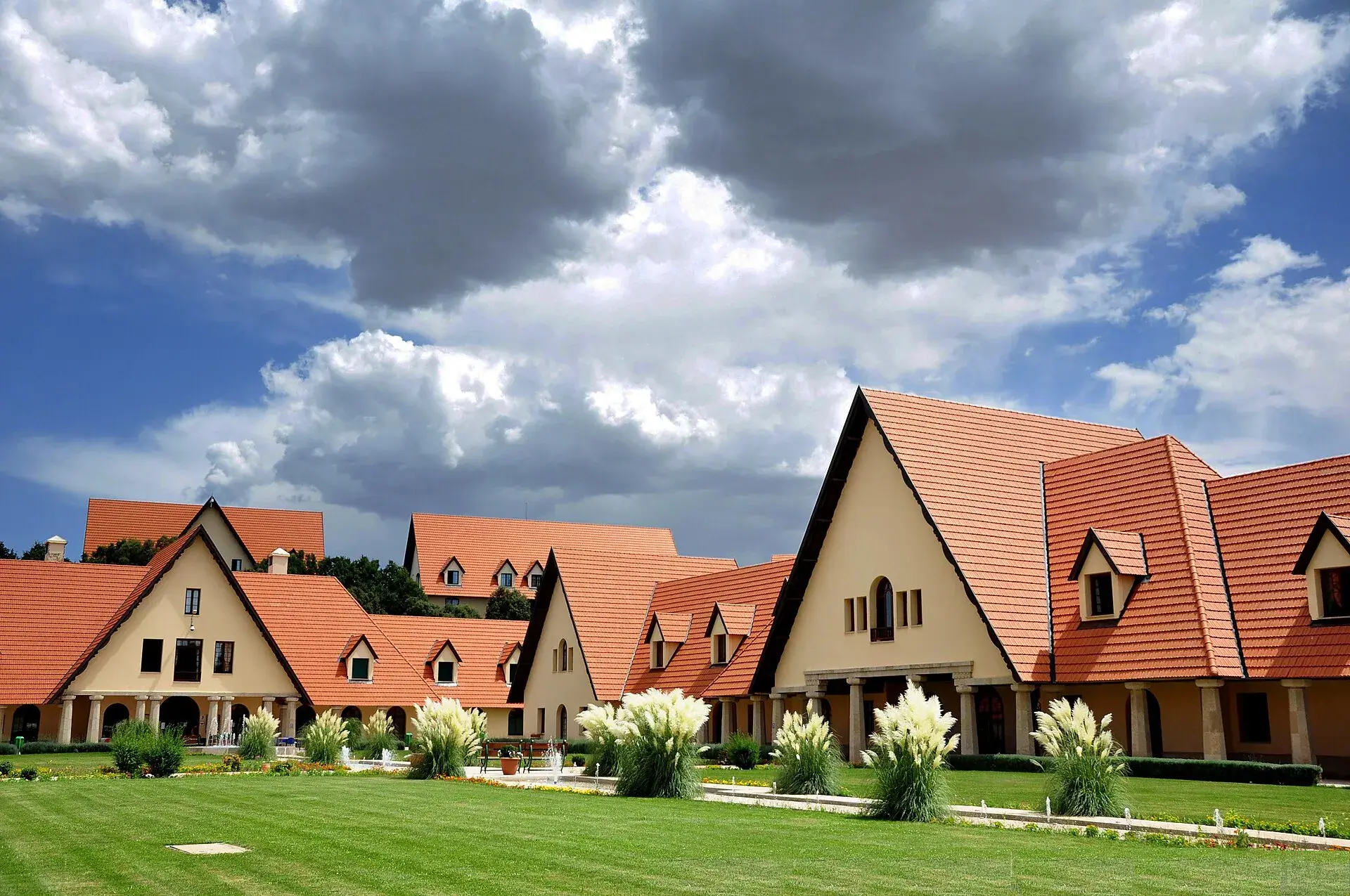 Photo: Amina Lahbabi / Wikimedia Commons (CC BY-SA 3.0)