Cost of Living in Casablanca
Real market data
Source: Numbeo · August 2026
$1,000/moSolo nomad1-bed centre + living costs
$1,300/moCoupleshared 1-bed + costs
$750/moLean / localcheaper area + costs
- 1-bed rent, city centre$630DH5,856
- 1-bed rent, outside centre$380DH3,520
- Monthly costs excl. rent (1 person)$370DH3,481
- Meal, inexpensive restaurant$5DH50
- Monthly transit pass$27DH250
- Buy price, per m² (centre)$2,280DH21,374
Prices are from Numbeo (August 2026), converted to USD at $1 = DH9.36 (01 Aug 2026). The monthly living-costs figure is our transparent one-person basket, groceries, a few meals out, utilities, phone, internet, transport and essentials, priced from those figures. Solo adds central rent; couple and lean are estimates from the same numbers. The guide below quotes its own monthly range, which is a different measurement rather than a competing one: this table prices a defined basket at the figures above, while that range is a judgement about how somebody actually lives here.
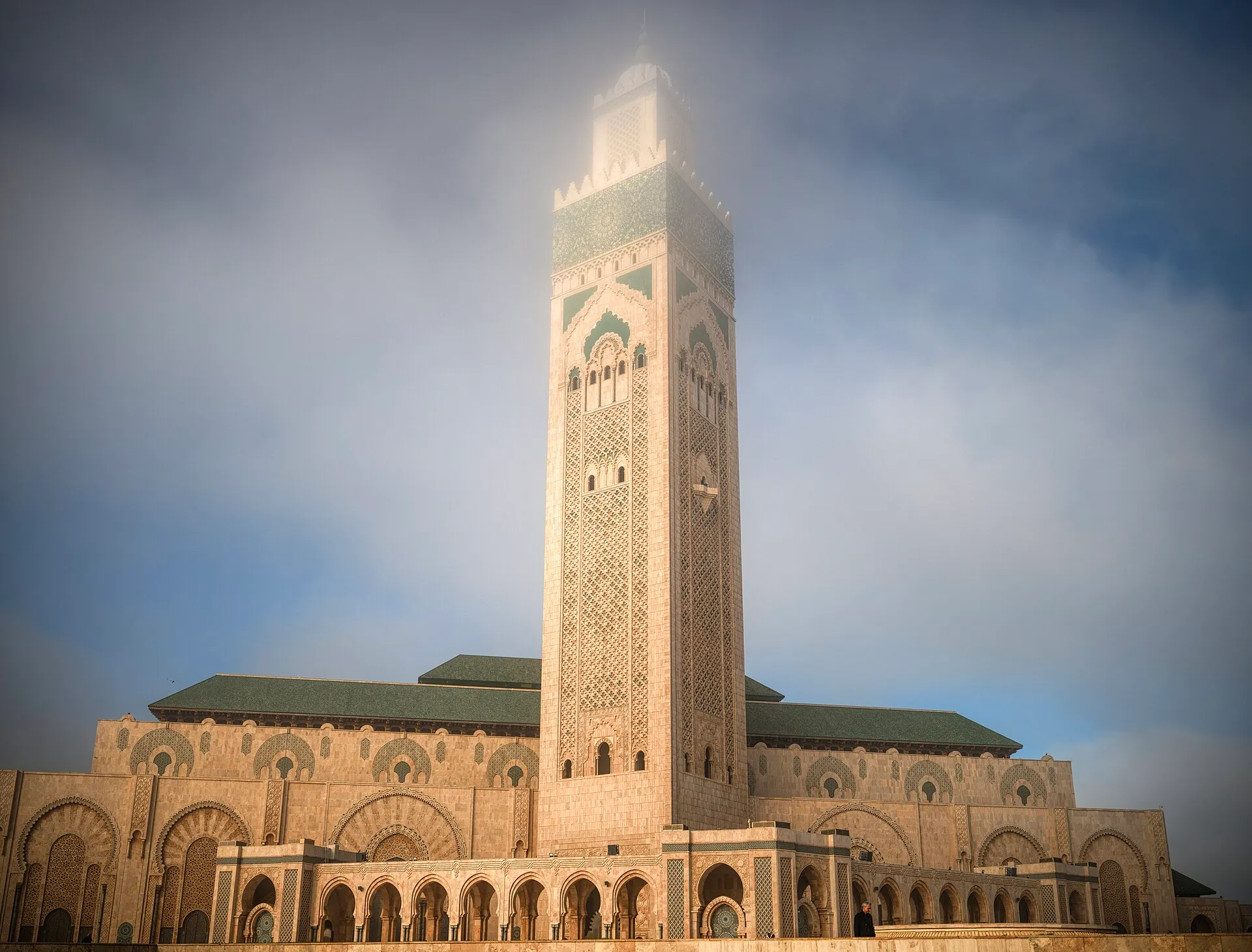
Casablanca is Morocco's most expensive city, though it remains affordable by European or North American standards. Here is a realistic monthly breakdown for a solo remote worker:
- Rent, city center (Gauthier, Maarif, CIL): $640-960 for a furnished one-bedroom
- Rent, cheaper areas (Ain Chock, Hay Hassani): $375-535
- Groceries (market-focused): $130-190/month
- Eating out (mix of local spots and mid-range restaurants): $160-320/month
- Coworking hot-desk: $160-265/month
- Local transport (tram, bus, occasional taxi): $32-64/month
Total realistic range: $960-1,820/month, depending on your accommodation choice and how often you eat out. You can get by closer to $900 if you live outside the center and cook most meals.
Where to Work
Casablanca has the strongest coworking infrastructure in Morocco. Dedicated spaces range from startup-focused hubs to polished corporate environments.
Commons (Twin Center, Zerktouni) is widely regarded as the best option for focused work, with reliable fiber, private call booths, and a professional community. New Work Lab in Gauthier has a tighter-knit entrepreneurial crowd and draws international nomads alongside Moroccan founders. Technopark on the eastern edge of the city functions more as an innovation campus, good if you want proximity to Morocco's tech scene. Hello Desk near the port offers a rooftop with harbor views and solid connectivity. Day passes typically run $16-27.
Cafe culture exists, but it is patchy for remote work. Many traditional Moroccan cafes do not have WiFi, and those that do often have slow connections. The newer specialty coffee wave has produced some genuinely good work cafes: Barometre and The Cloud Coffee Lab are well-regarded for stable WiFi and plentiful outlets. Expect to spend $4.50-8.50 on drinks to occupy a seat for a few hours.
Home internet via Maroc Telecom or Orange fiber reaches central apartments. Mobile data (Inwi, Maroc Telecom) is cheap and reliable enough as a backup.
Getting Around
Casablanca has four tram lines and two busway lines that cover the main corridors through the city. A single tram trip costs $1; a weekly unlimited card costs $6.50. Trams run frequently, roughly every 10 minutes, from early morning until past midnight. The system is clean and air-conditioned.
Petit taxis (red in Casablanca) are metered and affordable for short hops, typically $1.50-4.50 for most central trips. Ride-hailing via InDrive works well and removes the occasional haggling friction. Buses are extremely cheap at $0.50 per ride but routes can be confusing without the local knowledge.
Walkability depends heavily on which neighborhood you are in. Gauthier and Maarif are pleasant on foot. The Old Medina and the blocks around Mohammed V Square are manageable. Much of the rest of the city is car-oriented sprawl that discourages walking.
Airport to city: Mohammed V International Airport (CMN) is connected to the city by a direct ONCF train that runs roughly every 30 minutes. The trip to Casa Voyageurs (the main city train station, connected to the tram) takes about 35 minutes and costs $4.50. This is the easiest and cheapest airport link in Morocco.
Sorting transport? Book an airport transfer, or compare car rental on Auto Europe and QEEQ.
Visas and Staying Long-Term
Citizens of the USA, UK, Canada, Australia, EU countries, and around 70 other nationalities enter Morocco visa-free for up to 90 days. Your passport is stamped on arrival and you can stay for 90 consecutive days without any further steps.
If you need to stay beyond 90 days, you can apply for an extension at the local police station (bureau des etrangers). Extensions of up to 90 additional days are possible with proof of accommodation and sufficient funds. Overstaying without an extension means you will need to appear before a judge before being allowed to leave and may face a fine, so do not let it slip.
Morocco does not currently offer a dedicated digital nomad or remote worker visa as of 2025-2026. Long-term residents typically either exit and re-enter (a border run to Ceuta or a flight to Spain is common), apply for a year-long residence card if they have a local employer or business, or manage on successive extensions.
Best Time to Visit
Casablanca sits on the Atlantic coast and has a mild, maritime climate that makes it livable year-round. Temperatures rarely drop below 10C (50F) in winter or climb above 30C (86F) in summer. Rain falls between October and April, mostly in short bursts rather than sustained downpours.
For remote work comfort, the best window is April through June and September through October. Temperatures sit in the 18-25C (64-77F) range, skies are clear, and the city is not overwhelmed with tourists. July and August are warm and slightly humid due to the Atlantic air, but not oppressively hot. January and February are the rainiest months, which can make getting around on foot less enjoyable, though the city keeps functioning normally. Winter is also when you get the best apartment rental deals.
Pros and Cons
- Pro: Best digital infrastructure in Morocco, with the most coworking options and fastest internet
- Pro: Excellent direct flight connections to Europe and beyond from Mohammed V Airport
- Pro: Rich food scene spanning Moroccan, French, and international cuisines at a wide range of price points
- Pro: Year-round mild Atlantic climate with no extreme heat or cold
- Pro: Good medical infrastructure, the best in Morocco, which matters for longer stays
- Pro: Easy, cheap airport train link and functional tram network in the center
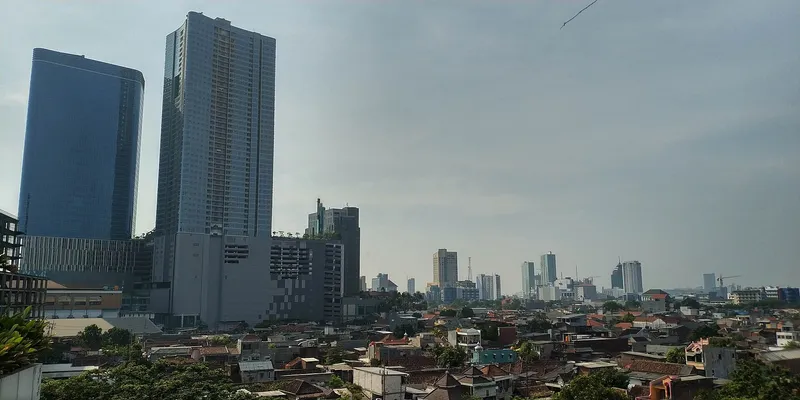
- Con: Casablanca is a working city, not a pretty one. It lacks the medina charm of Marrakech or the coastal beauty of Essaouira
- Con: Traffic congestion is serious; driving in the city can be exhausting and time-consuming
- Con: Air quality is moderate at best, with vehicle emissions and urban density creating noticeable pollution on still days
- Con: English is less widely spoken than in tourist-heavy cities; French and Darija (Moroccan Arabic) dominate
- Con: Some neighborhoods feel unsafe after dark; situational awareness matters
- Con: The most expensive city in Morocco, which partially undermines the cost advantage
Who Casablanca Is Best For
Casablanca suits remote workers and nomads who prioritize reliable infrastructure over atmosphere. If you need fast internet, access to coworking spaces, professional networking opportunities, and easy international flight connections, Casablanca delivers better than anywhere else in Morocco. It works well for people on longer stays who want to integrate into a real city rather than a tourist enclave, and for those who can engage in French as a working language.
It is also a smart base if you want to use Morocco as a hub for travel within Africa or to southern Europe, given the airport's route network.
You will probably be frustrated by Casablanca if you came to Morocco for its visual and cultural richness. The city rewards patience and local knowledge, but it does not offer the instant gratification of Marrakech's medina or Chefchaouen's famous streets. Solo travelers who struggle with languages beyond English may find daily logistics tiring. And if you are primarily budget-focused and do not need the professional infrastructure, cheaper and more scenic alternatives like Agadir or Tangier may serve you better.