Cost of Living in Fes
Where this figure comes from. No cost survey covers Fes, so the $950 a month above is our own estimate rather than a measurement. On 416 of our 999 city guides the figure is built from a published Numbeo basket, a one-bedroom rent in the centre plus one person's monthly costs without rent, converted to USD; this city is not one of them. How we source everything.
Fes is one of Morocco's more affordable major cities, gentler on the wallet than Marrakech and far cheaper than Europe just across the strait. A comfortable single-person budget runs roughly $800 to $1,300 a month. A furnished apartment in the modern Ville Nouvelle or a restored room in a medina riad costs about $300 to $600, and street food and local restaurants are inexpensive. These are our editorial estimates in US dollars, priced against the dirham, and eating in local spots and choosing the Ville Nouvelle over a tourist-facing riad keeps daily costs comfortably low. A first month here is shaped by two currency facts. The currency is a closed one that cannot be legally bought or sold outside the country, so you arrive with none and change or withdraw on landing, and you should spend down what is left before leaving. Card acceptance is good in the new town and poor in the old one. An old-city address adds a cost nobody quotes: nothing motorised can reach your door, so a gas bottle, a mattress or a week of shopping arrives by handcart or mule with a fee attached each time.
- Furnished apartment, Ville Nouvelle: roughly $300 to $600 a month
- Bowl of harira or a tagine at a local spot: roughly $2 to $5
- Petit taxi across town: roughly $1 to $2
- Train to Rabat or Casablanca: roughly $8 to $15
Where to Work in Fes
Fes is a heritage city rather than a developed nomad hub, so its work scene is thinner than Marrakech's or Rabat's. Internet is decent in the Ville Nouvelle, with fibre in many modern apartments, but connectivity inside the ancient medina can be patchy, so check carefully before renting there. Dedicated coworking is limited, but Morocco's strong cafe culture means plentiful places to sit with a coffee and a laptop, especially in the newer part of town. A Maroc Telecom, Orange or Inwi SIM gives cheap, reliable mobile data as backup. Fes suits a focused worker who values atmosphere over a bustling coworking community. A timekeeping quirk here will break your calendar if you do not know about it. Since 20 September 2026 the country has run on GMT all year, with no summer change and no Ramadan switch, so it shares London's clock in winter and falls an hour behind it in summer. Anyone with recurring meetings will find them shifting twice a year on dates no international calendar predicts. Beyond that, an old-city room means the dawn call to prayer from several minarets at once, which is either atmosphere or an alarm clock depending on the person, and worth one night's trial before a month's commitment.
Getting Around Fes
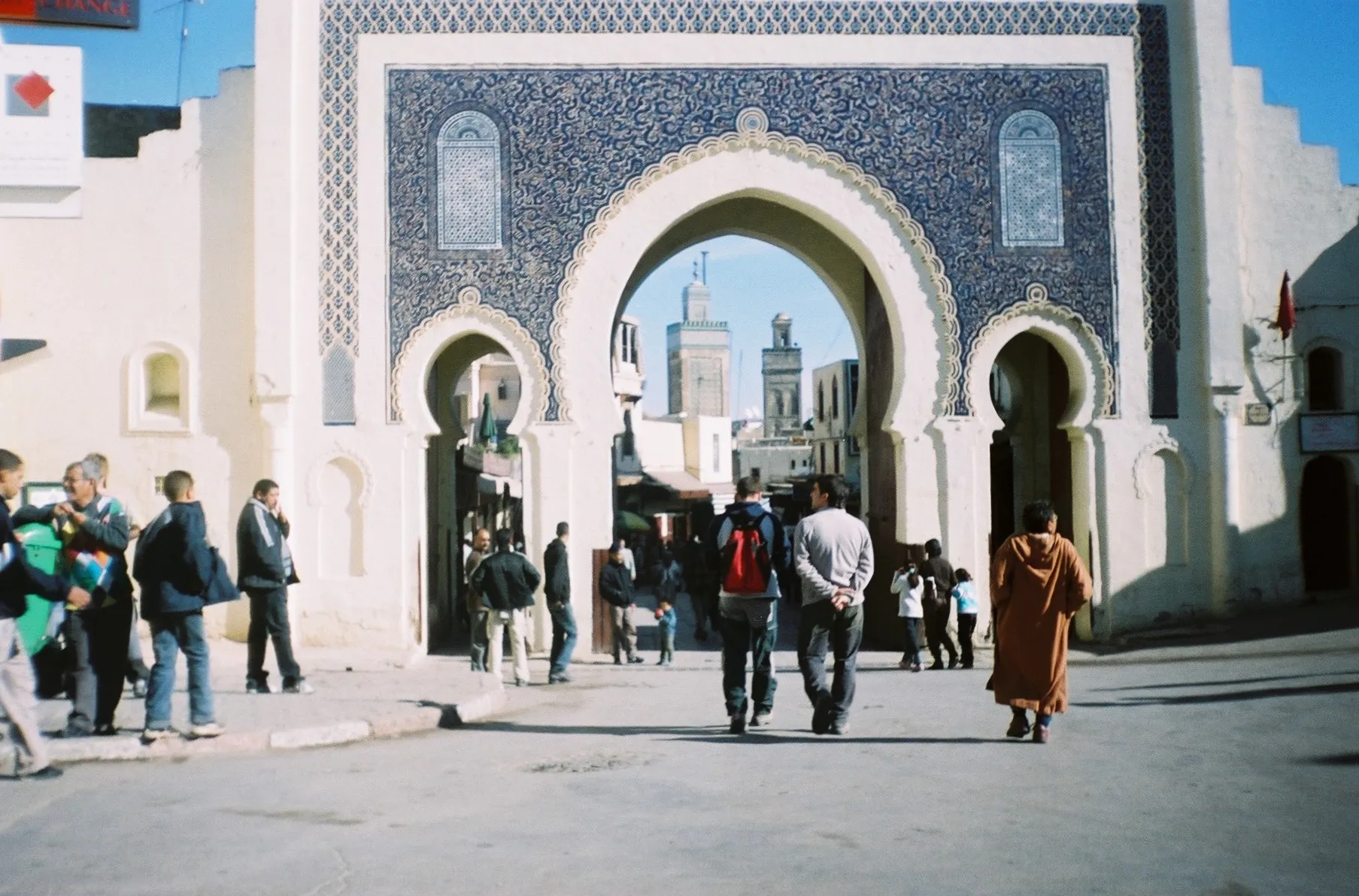
Fes divides into the ancient medina and the French-built Ville Nouvelle, and getting around differs completely between them. The medina, Fes el-Bali, is a vast car-free maze of alleys where you walk and goods still move by handcart and mule, so a good sense of direction or a map app helps enormously. In the Ville Nouvelle and between districts, cheap petit taxis are the easiest option, with shared grand taxis for longer routes. Fes sits on Morocco's excellent rail network, with comfortable trains to Rabat, Casablanca, Marrakech and Tangier, and its airport connects to several European cities. Accept that you will get lost in the old city, because everyone does and the maps are only approximately right down there. The practical technique is to navigate by the gates and the main arteries rather than by street names, most of which are not signed, and to head downhill toward the river when disoriented. Unofficial guides attach themselves to visitors near the gates and will lead you somewhere you did not ask to go; a firm refusal is normal and expected. In the new town, insist on the meter in a small taxi, or settle the price first.
Sorting transport? Book an airport transfer, or compare car rental on Auto Europe and QEEQ.
Visas for Fes
Morocco is straightforward for many travellers: citizens of the EU, UK, US, Canada, Australia and numerous other countries enter visa-free as tourists for up to 90 days. For longer stays, you can apply for a residence permit (carte de sejour) through the local authorities, which involves paperwork and proof of funds or purpose, or leave and re-enter, though relying on repeated entries is risky. Morocco does not yet have a dedicated digital nomad visa, so note your permitted period to avoid overstaying. Repeated entries are the common workaround and the one most likely to go wrong. Officers see the stamps, and people who have obviously been living here on a chain of ninety-day stays have been refused entry or given shorter periods. A short hop to one of the Spanish enclaves on the north coast counts as leaving, which is why it is the standard trick, and which is also why it is watched. If a stay is going to run long, apply for the residence card properly: it takes months and requires an address, a bank account and evidence of income, but it removes the problem permanently.
Best Time to Visit Fes
Fes has a Mediterranean-influenced climate with hot summers and cool, wetter winters, shaped by its inland position. The best times to visit are spring, from March to May, and autumn, from September to November, when temperatures are pleasant for exploring the medina on foot and the surrounding countryside is green or golden. Summer, from June to August, can be very hot, with the medina's enclosed lanes trapping the heat. Winter is cool and damp, with chilly nights and occasional rain, though rarely freezing. Aim for the shoulder seasons to enjoy the city and its endless walking in comfort. The sacred music festival each early summer is the one date worth planning around, drawing performers from across the world into the palace courtyards and filling every hotel in town for a week. Reserve far ahead or come afterwards. The tanneries are considerably harder to stand near in high summer, a detail to weigh before fixing the date of that visit, and a riad in the old city has thick walls and no heating, so a January stay in one is colder indoors than the forecast implies and a modern flat is the warmer choice.
Pros and Cons of Fes
Fes offers extraordinary living history at a low price, with the friction of an ancient city. Friction understates it, and it is worth being specific about what it consists of. The old city holds well over a hundred thousand residents in a street plan from the ninth century, with perhaps nine thousand lanes, no vehicles, and a persistent economy of guides, shopkeepers and touts who make their living from visitors who do not yet know the prices. The first fortnight is exhausting. Then something switches: the same men stop approaching you because they recognise you, the geography starts to make sense, and the city becomes one of the most rewarding places anywhere to walk around with no particular destination. Almost everyone who stays a month describes that turn. Whether it is worth two hard weeks to reach depends on temperament, and the honest answer is that a fortnight here would leave most people with a worse impression than a day trip would.
- Pros: one of the world's best-preserved medieval medinas, a UNESCO-listed labyrinth of craft, food and history, very affordable living, superb Moroccan cuisine, excellent rail links, and an authenticity that touristy Marrakech has partly lost.
- Cons: a small nomad community, limited coworking and patchy medina internet, limited English with French and Arabic dominant, persistent touts and hassle in the tourist areas, hot summers, and a conservative pace with modest nightlife.
Who Fes Is For
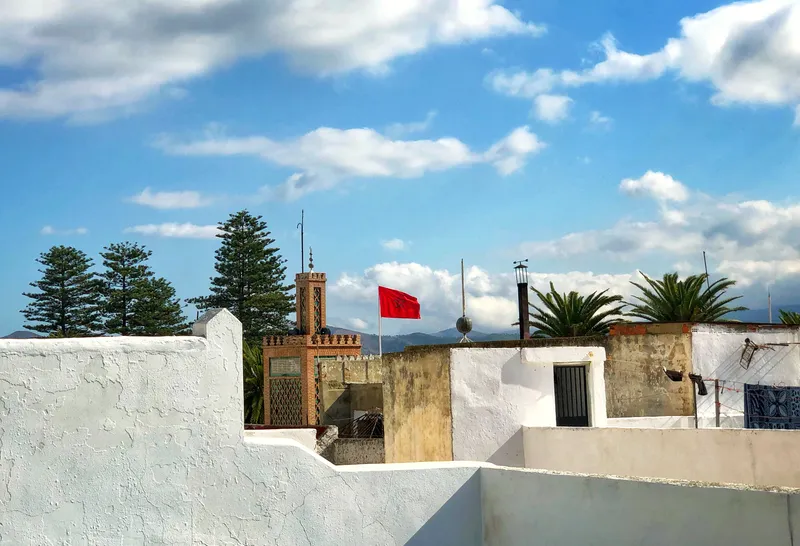
Fes is for the culturally immersive nomad who wants to live inside living history rather than a modern nomad bubble. Lovers of Islamic art and architecture, artisans, food enthusiasts and anyone captivated by the medieval medina will find it endlessly rewarding, and the low costs stretch a modest income far. It helps to have some French and a tolerance for hustle and getting lost in the lanes. It is a weaker fit for those who need a big coworking community, reliable medina internet, widespread English or a lively nightlife. Base yourself in the Ville Nouvelle for comfort or a riad for romance, come in spring or autumn, and let one of the world's great old cities unfold on foot. Length matters more here than in most places. A month is the minimum for the city to turn from an obstacle course into a home, and three months is where it starts paying properly. Anyone who can only give it a fortnight would be better off taking a hotel and treating it as a holiday. Whichever you choose, take a place with a terrace: the roofline above the old city is where the residents go in the evening, and it is the one view that makes the whole geography legible at once.