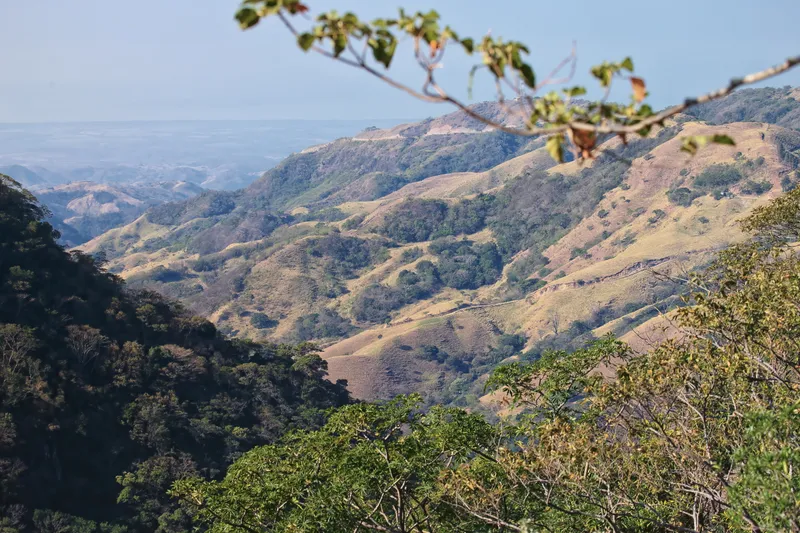
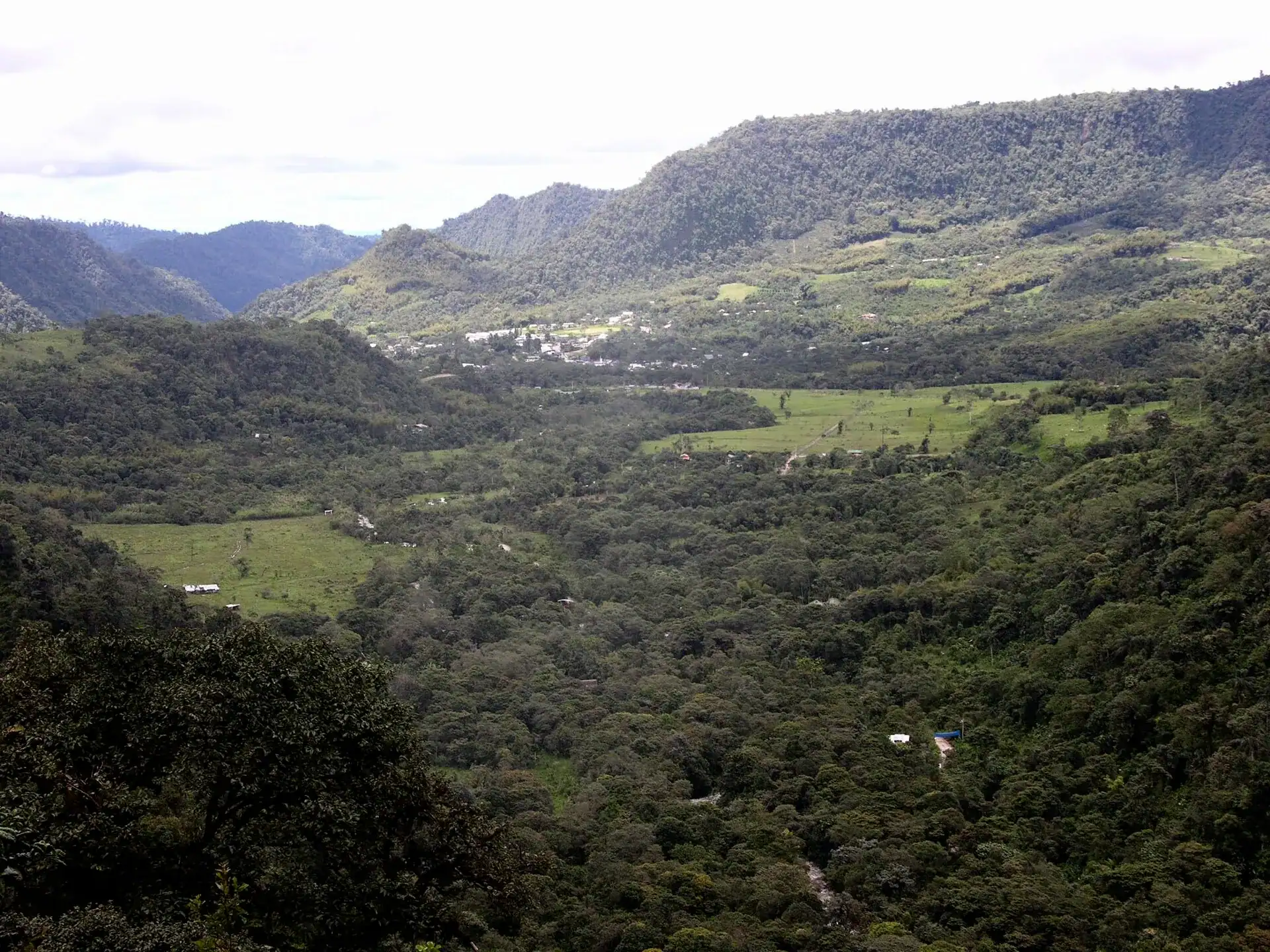
The cloud forest valley around Mindo
Photo: The lifted lorax (talk) / Wikimedia Commons (CC BY-SA 3.0)
Ecuador flag

Mindo

Ecuador

A cloud forest village two hours from Quito, with more bird species than most countries.

$650
Monthly Budget
--
Current Weather
Subtropical Highland
Climate Type
5/10
WiFi Score
7/10
Safety Score
UTC-5
Timezone
0
Nomad Score

Setting Up as a Nomad in Mindo

A cloud forest village two hours from Quito, with more bird species than most countries. Plan on roughly $650 a month. Its strengths are nature and clean air, while nightlife is where it scores lower.

Nomad Facts at a Glance

The practical basics for Mindo, Ecuador

CurrencyUS Dollar ($, USD)
LanguageSpanish
Plugs & powerType A/B · 120V / 60Hz
Tap waterBottled or filtered
Tipping10% often added
Ride-hailingUber, inDrive, Cabify
Emergency911
Mobile dataeSIM: Airalo / Holafly
Driving sideRight
Dialling code+593
Time zoneUTC-5
Best time to visitJul, Aug, Sep

Country-level guidance to get you oriented, not a substitute for checking locally. Numbers and norms can change; 112 reaches emergency services from most mobiles worldwide.

Category Breakdown

How Mindo scores across all 13 factors

Mindo's Nomad Score is 6.1 out of 10, from 13 category ratings (each out of 10): Climate 6, Cost of Living 8, WiFi 5, Nightlife 2, Nature 10, Safety 7, Food 5, Nomad Community 3, English 5, Visa Ease 9, Culture 4, Cleanliness 7, Air Quality 9.

Weather in Mindo

Monthly averages from 2019-2023 (Open-Meteo), and the best time to visit

21°
17°
Jan
21°
18°
Feb
22°
18°
Mar
22°
18°
Apr
22°
18°
May
21°
17°
Jun
21°
17°
Jul
21°
17°
Aug
21°
17°
Sep
21°
17°
Oct
21°
17°
Nov
21°
17°
Dec
Daily high & low (°C)Rainfall (mm/month)Best months to visit

The best time to visit Mindo for comfortable weather is Jul, Aug, Sep. The warmest month is Mar (around 22°C by day), and the wettest is Apr (about 757mm of rain).

Chasing good weather? See other cities that are warm in Jul, or plan a multi-city route around the seasons, or search flights when you are ready to move. Staying a while in Mindo? Check visa options, your time-zone overlap and how far your budget stretches, or find it on the world map.

Historical monthly averages, not a forecast. Source: Open-Meteo ERA5, a grid of roughly 25 km cells, because no weather station with published normals is close enough to the city.

Best Neighborhoods in Mindo

Where to base yourself for the perfect nomad experience

Mindo Village

$$
Village & Practical

The three-street centre, hostels and the tour operators

The village itself, essentially three streets with hostels, small restaurants, the chocolate operation and the guides who take people out at dawn to look for birds. Everything is walkable, the connectivity is the best in the valley, and it is the only place with any services.

Best for: Anyone who needs a shop, a restaurant and a guide within a two-minute walk
Pros
  • The only services, shops and restaurants in the area
  • The best connectivity in the valley
  • Guides, tubing and the chocolate tour all here
Cons
  • Highest rates in the area, though still very low
  • Busy with weekend visitors from Quito
  • Traffic on the main street

Rio Mindo and the Waterfall Road

$$
Forest & Riverside

Up the valley towards the cable car and the falls

The road climbing east out of the village along the river towards the tarabita cable car and the chain of waterfalls beyond it. Lodges and cabins sit among the forest on both sides, with hummingbird feeders on every terrace and the trails starting at the door.

Best for: Stays that want the waterfalls and the forest trails immediately accessible
Pros
  • Waterfall trails and the cable car nearby
  • Hummingbirds at every lodge feeder
  • River running past and complete quiet
Cons
  • A vehicle or a long walk into the village
  • Weak connectivity
  • Very wet, with mud on the trails year-round

Nambillo and the Southern Slopes

$$$
Reserve & Birding

The forest reserves above the village

The slopes south and west of Mindo where several private reserves protect cloud forest and run their own trail networks and feeder stations. Accommodation is lodges rather than village rooms, and this is where the serious birdwatching happens, at dawn and in silence.

Best for: Birdwatchers, for whom this is the whole reason the place exists
Pros
  • Private reserves with dedicated trails and hides
  • The best birding density in the valley
  • Cloud forest immediately outside the door
Cons
  • Lodge pricing rather than village pricing
  • A vehicle is necessary
  • Very limited connectivity

Mindo Road and the Nono Corridor

$$
Highland & Dispersed

The old road up towards the paramo and Quito

The route climbing east out of the valley towards Nono and eventually Quito, passing through successive forest bands as the altitude rises, with scattered lodges known among birders for the species that change every few hundred metres of climb.

Best for: Stays that want the altitude gradient and the birding it produces
Pros
  • Distinct bird communities at each elevation band
  • Quiet, high and cool
  • On the road back to Quito
Cons
  • A vehicle is essential and the road is slow
  • Twenty to thirty minutes from Mindo village
  • Almost no services

San Miguel de los Bancos (20 km west)

$
Town & Practical

The market town down the valley, lower and warmer

A working town twenty kilometres west and several hundred metres lower, with a market, banks, a hospital and none of the tourism that shapes Mindo. It is warmer, cheaper and entirely practical, and it is where people in the valley go for anything they cannot buy locally.

Best for: Long stays needing real services and the lowest costs in the area
Pros
  • Market, banks and a hospital
  • The lowest costs in the valley
  • Warmer and drier than Mindo
Cons
  • Twenty to thirty minutes from Mindo
  • No cloud forest and no birding infrastructure
  • An ordinary town with nothing to see

Cost of Living in Mindo

Where this figure comes from. No cost survey covers Mindo, so the $650 a month above is our own estimate rather than a measurement. On 416 of our 999 city guides the figure is built from a published Numbeo basket, a one-bedroom rent in the centre plus one person's monthly costs without rent, converted to USD; this city is not one of them. How we source everything.

Budget roughly $650 a month as a solo remote worker in Mindo, which is among the cheapest options anywhere with this quality of environment. A small house or apartment in the village runs about $200 to $350, with lodges and cabins in the surrounding forest available on longer terms. Ecuador uses the US dollar, which removes exchange risk entirely and makes budgeting unusually simple. Groceries land around $130 to $180, with the weekly market cheap and the small village shops limited in range. An almuerzo, the set lunch, is $3 to $4, a restaurant dinner $8 to $14, and a chocolate tour, one of the village's specialities, about $10. Utilities add $30 to $60. There is very little banking in a village this size and the one machine runs dry at weekends, so cash comes up from the city with you. Cooking gas arrives as a heavily subsidised cylinder and costs almost nothing, one of the few things here cheaper than anyone expects. Imported goods carry heavy duties, and a supermarket run into the city is what most long-stayers do monthly, since the village shops stock what the village eats and not a great deal else.

Where to Work in Mindo

Mindo is a village of around 2,500 people and there is no coworking space. Remote workers here work from their accommodation, and the practical question is entirely the connection: fixed-line internet reaches the village and is adequate for most work but not fast, and it varies considerably between properties, with lodges further into the forest often much worse. Testing before committing is essential. Mobile 4G coverage is reasonable in the village centre and drops away quickly outside it. Power cuts happen, and Ecuador experienced significant scheduled electricity rationing during the 2024 drought, which is worth knowing about as a recurring risk. Several cafes on the main street have wifi and are laptop-friendly. The forest around the village is part of a biosphere reserve, and in a referendum a couple of years ago the people of the province voted to ban metal mining across it, a rare instance of a community deciding against an extractive industry and the reason the valley still looks as it does. The local economy is guiding, lodges, cacao and a little dairy. None of that is a client base. What it does mean is that the village itself has a direct interest in the forest staying as it is.

Getting Around Mindo

Mindo is a village of a few streets and everything in it is a five-minute walk. Getting to the surrounding attractions, the cloud forest reserves, the waterfall route, the tarabita cable car and the butterfly and hummingbird gardens, is done on foot, by bicycle, or by the pickup trucks that operate as shared taxis for a few dollars. There is no need for a car. Buses run to Quito in about two and a half hours over the pass, with the road descending steeply from the Andes into the cloud forest. Quito's Mariscal Sucre airport is roughly three hours away and is the international gateway. Cycling the main road is popular but the traffic requires care. Some buses do not enter the village at all and stop instead at the junction out on the main highway, from where a pickup runs the last few kilometres down the side road, so it is worth confirming which service you have bought. Landslides close that highway in the wettest months and the detour is a long one. The road itself drops steeply off the mountains and the temperature climbs as it goes, which is the most obvious way to understand where the village actually sits.

Sorting transport? Book an airport transfer, or compare car rental on Auto Europe and QEEQ.

Visas for Mindo

Ecuador grants most Western passports, including EU, UK, US, Canadian and Australian, 90 days visa-free on arrival, extendable by a further 90 days in-country for a fee, giving up to 180 days in a year. Ecuador introduced a Rentista visa category widely described as a digital nomad visa, available to remote workers and others with a stable foreign income above a monthly threshold, granting two years with the possibility of renewal and a route towards permanent residence. Ecuador's use of the US dollar as its national currency removes exchange complications entirely. The country has faced serious security problems in its coastal cities since 2023, though the highland and cloud forest areas including Mindo have been far less affected.

Best Time to Visit Mindo

Mindo sits at about 1,250 metres in the western Andean cloud forest and is warm and wet year-round, roughly 18 to 24 degrees in the day. The drier months are broadly June to September and December to January, which are the best for hiking, birding and the waterfall routes; the wettest are February to May and October to November, when afternoon and evening rain is close to daily. It is a cloud forest, so mist and rain are the normal condition rather than an interruption, and anyone coming for dry weather has misunderstood the destination. Birding is excellent all year, with the greatest activity in the early morning regardless of season. Sitting almost on the equator, the day here is twelve hours long in every month, with light at six and dark at six, and the birding everyone comes for happens in the first two of those hours whatever the calendar says. The village has held the world record for the number of species counted in a single day during the annual bird census, which sounds like marketing until you stand on a road at dawn. Cloud usually builds through the middle of the day and breaks again by late afternoon.

Pros and Cons of Mindo

Mindo packs an extraordinary amount of nature into a very small place: it sits in one of the most biodiverse regions on earth, with several hundred bird species including dozens of hummingbirds, cloud forest reserves, waterfalls and cacao farms all within walking or cycling distance. It is cheap, it uses the US dollar, and it is two and a half hours from a capital city with an international airport. This is a village, and it shows: the internet is the limiting factor and should be verified, healthcare means Quito, and there is essentially no community of remote workers. It rains a lot. Ecuador's national security situation has deteriorated, though this has affected the coast far more than the highlands.

Who Mindo Is For

Living inside a cloud forest, for work that tolerates a modest connection and a person who needs neither company nor amenities. It is an outstanding choice for birders, naturalists and photographers, and a good one for writers and anyone wanting quiet, cheap, focused time. The dollar economy and the Rentista visa make longer stays administratively simple. Couples have an easier time of it than people arriving alone. Fast reliable internet is beyond what a cloud forest village can deliver, nothing resembling a social life has formed among four hundred residents, healthcare is in Quito, and the weather is wet because the forest depends on it being so. Quito is two and a half hours away with all of it, and Cuenca is the more established Ecuadorian base for foreign residents.
Where to Stay in Mindo

Top neighborhoods and accommodations for digital nomads

We have not yet verified specific places to stay in Mindo. When we list one it will name the source we checked it against, the same as every other figure on this page, and until then we would rather show nothing than a name we have not confirmed. The neighbourhood guide above says which parts of the city to look in, which is the more useful half of the answer anyway.

Best Coworking Spaces

Where nomads get work done in Mindo

We have not yet verified specific coworking spaces in Mindo. When we list one it will name the source we checked it against, the same as every other figure on this page, and until then we would rather show nothing than a name we have not confirmed. The guide sections above cover what working from Mindo is actually like, including connection speeds and cafe culture.

Where to Eat & Drink

Best food and drink spots in Mindo

We have not yet verified specific places to eat in Mindo. When we list one it will name the source we checked it against, the same as every other figure on this page, and until then we would rather show nothing than a name we have not confirmed. The guide sections above cover what eating in Mindo costs and what the city is known for.

Cities with a Similar Vibe to Mindo

Different places that score alike across our 13 categories, if you like Mindo, these tend to feel similar.

In the rankings

Mindo in our rankings

  1. Best cities in Latin America→

A comfortable solo budget in Mindo is about $650/mo, one of the more affordable bases for nomads.

Frequently Asked Questions About Mindo

How much does it cost to live in Mindo as a digital nomad?

A comfortable nomad budget in Mindo is around $650 a month, covering a furnished rental, food, coworking, and getting around. You can spend less by living outside the center and eating local, or more in the most popular neighborhoods.

Is the internet fast enough for remote work in Mindo?

Mindo rates 5 out of 10 for WiFi in our scoring, so connectivity is average for video calls and everyday remote work. A local SIM with a data plan is a smart backup for cafes, coworking, and travel days.

Is Mindo safe for digital nomads?

Mindo scores 7 out of 10 for safety in our ratings, which is good for solo travelers and long stays. Use the usual precautions with valuables and at night, and favor well-reviewed neighborhoods when you choose where to stay.

Is Mindo a good city for digital nomads overall?

Mindo stands out for nature and the outdoors and clean air among remote workers. With a typical budget near $650 a month and a growing nomad scene, it is worth a look if those priorities match what you want from a base.