Cost of Living in Honolulu
Where this figure comes from. No cost survey covers Honolulu, so the $4,600 a month above is our own estimate rather than a measurement. On 416 of our 999 city guides the figure is built from a published Numbeo basket, a one-bedroom rent in the centre plus one person's monthly costs without rent, converted to USD; this city is not one of them. How we source everything.
Honolulu is one of the priciest US cities, and roughly $4,600/month reflects that. A one-bedroom in urban Honolulu (Kakaako, Ala Moana) runs about $2,100 to $2,600, while further out toward Kaimuki or Pearl City you might find $1,700 to $2,000. Groceries are steep because almost everything ships in: budget $500 to $650 for one person. Eating out ranges from cheap plate lunches around $12 to sit-down dinners of $30 plus. A monthly TheBus pass is roughly $80, or budget more if you rent a car. Coworking hot desks run about $200 to $350/month. Add utilities (electricity is expensive here, often $150 to $250) plus phone and streaming. These are editorial estimates in USD. Frugal solo nomads can approach $3,800, but most spend $4,500 to $5,200 once island prices, dining, and weekend activities add up. The state's general excise tax is charged on rent as well as on goods, which is unusual in this country and adds a few percent to a housing bill that is already the highest in it. Electricity costs what it does because most of it is still generated from imported oil burned on the island, which is why a flat with panels on the roof is worth hunting for.
Where to Work in Honolulu
Honolulu has a modest but real coworking scene concentrated around Kakaako and downtown, with hot desks, dedicated desks, and meeting rooms available on monthly plans. Home fiber and cable internet are widely available and generally reliable, though speeds and pricing lag mainland cities and outages during storms happen. Cafe-work culture exists in Kakaako, Kaimuki, and Manoa near the university, where you will find espresso bars comfortable with laptop lingerers, but seating is limited and many spots get crowded midday. Coffee is good and the pace is relaxed. Caveats: the time zone is a real factor. Hawaii is two to three hours behind the US West Coast and five to six behind the East Coast, so mainland meetings often land early morning your time. Plan a schedule that front-loads calls and protects your afternoons for the beach. Defence is the second industry after tourism and a very large one, with bases across the island shaping the housing market and the traffic more than any private employer does. The university runs serious ocean and atmospheric research alongside it, and between them they are why the island has a professional population at all beyond the hotels.
Getting Around Honolulu
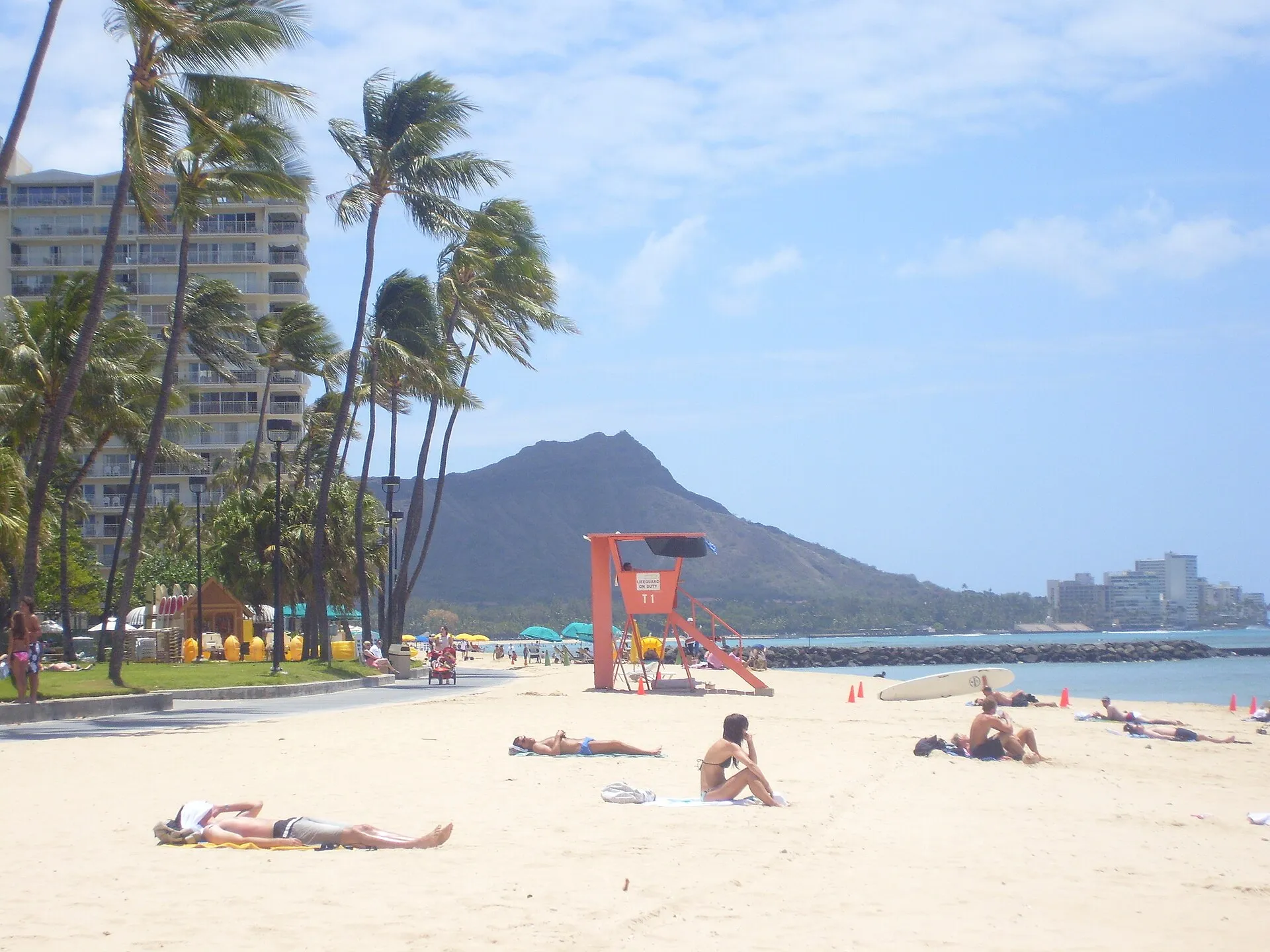
Honolulu is more transit-friendly than most US cities of its size. TheBus network is extensive and cheap, and the new Skyline rail line is gradually expanding across Oahu. Urban neighborhoods like Waikiki, Ala Moana, and Kakaako are genuinely walkable, with beaches, shops, and food within reach on foot. Ride-hailing (Uber and Lyft) operates islandwide but can be pricey and slow at peak times. The main gateway is Daniel K. Inouye International Airport (HNL), well connected to the US mainland and Asia-Pacific. Whether you need a car depends on your plans: you can live car-free within urban Honolulu, but to explore the North Shore, windward coast, or hiking trailheads you will want to rent one. Traffic on the H-1 freeway is notoriously heavy at rush hour, and parking in Waikiki is limited and expensive, so weigh a car against frequent rentals. Flights between the islands are short and frequent enough to be treated like a bus ride, with the next island half an hour away and fares low if booked at all in advance. That is what makes a weekend on a volcano or a quieter coast an ordinary thing to do rather than a production.
Sorting transport? Book an airport transfer, or compare car rental on Auto Europe and QEEQ.
Visas for Honolulu
The US has no digital nomad visa, and Hawaii follows the same federal rules as the rest of the country. If you hold a passport from a Visa Waiver Program country, you can apply for ESTA and enter for up to 90 days for tourism, no extensions. Everyone else generally needs a B-2 tourist visa, and B-2 visitors are normally admitted for six months per entry. Tourist status does not authorize any employment in the United States, in Hawaii or anywhere else. Overstaying carries serious re-entry bans. Because Honolulu is a domestic hub with routine immigration scrutiny, keep proof of onward travel and funds. For anyone arriving from Japan, Korea, Australia or the South Pacific, Honolulu is usually the first American airport on the journey, so immigration and customs happen here even when the ticket continues to the mainland, and bags must be collected and checked in again before the onward flight.
Best Time to Visit Honolulu
Honolulu enjoys warm, pleasant weather year-round, with highs typically in the low 80s Fahrenheit and modest seasonal swings. There is no bad time to visit weather-wise, but there are trade-offs. The drier, slightly cooler season runs roughly April through October, with reliable sun and calmer south-shore surf. The wetter season, November through March, brings more rain showers, bigger North Shore waves for surfing, and whale-watching season. Humidity is a constant, and trade winds do most of the cooling, so the rare Kona wind days feel sticky. Hurricane season technically spans June to November, though direct hits on Oahu are uncommon. For nomads, the shoulder months of April, May, September, and October often hit the sweet spot: great weather, fewer tourists than the summer and winter holiday peaks, and lower airfare and lodging prices. Avoid the Christmas-New Year and mid-summer crowds if budget matters. On the days when the trades fail and southerly Kona winds take over, vog, the volcanic haze carried from the Big Island, can drift as far as Oahu, bringing sore throats and a milky sky that matter most to anyone with asthma.
Pros and Cons of Honolulu
Pros: Honolulu offers a rare mix of a tropical island lifestyle and full US infrastructure. English everywhere, reliable healthcare, dependable internet, warm ocean year-round, and world-class beaches, hiking, and surfing minutes from the city. It is safe, walkable in its core, and culturally rich with strong Hawaiian, Asian, and Pacific influences and excellent, affordable local food. Cons: cost is the big one. Rent, groceries, and dining are among the highest in the US, and flights on and off the island add up. The time zone isolates you from mainland and European business hours, making synchronous work awkward. Housing is tight and competitive, especially short-term. Some nomads feel island fever after a few months given the limited land area, and the tourist-heavy Waikiki zone can wear thin. It is paradise, but an expensive, logistically demanding one best suited to those who plan finances and calls carefully.
Who Honolulu Is For
This is for the financially comfortable, who prioritise lifestyle and the outdoors over saving money, and nobody else should look at the rents. If you earn a solid remote income, love the ocean, surfing, hiking, and warm weather every single day, and can structure your workday around early-morning mainland calls, it is hard to beat. It works especially well for West Coast US remote workers, since the time difference is only two to three hours. It is also a good fit for those wanting a US base with genuine cultural diversity and safety, and for couples or solo travelers who value a slower, healthier pace. It is a poor match for budget backpackers, anyone who needs constant real-time collaboration with East Coast or European teams, and those who crave big-city nightlife, dense urban energy, or easy overland travel to neighboring regions. Come for the balance of work and paradise, not for arbitrage.