Cost of Living in Asheville
Where this figure comes from. No cost survey covers Asheville, so the $2,800 a month above is our own estimate rather than a measurement. On 416 of our 999 city guides the figure is built from a published Numbeo basket, a one-bedroom rent in the centre plus one person's monthly costs without rent, converted to USD; this city is not one of them. How we source everything.
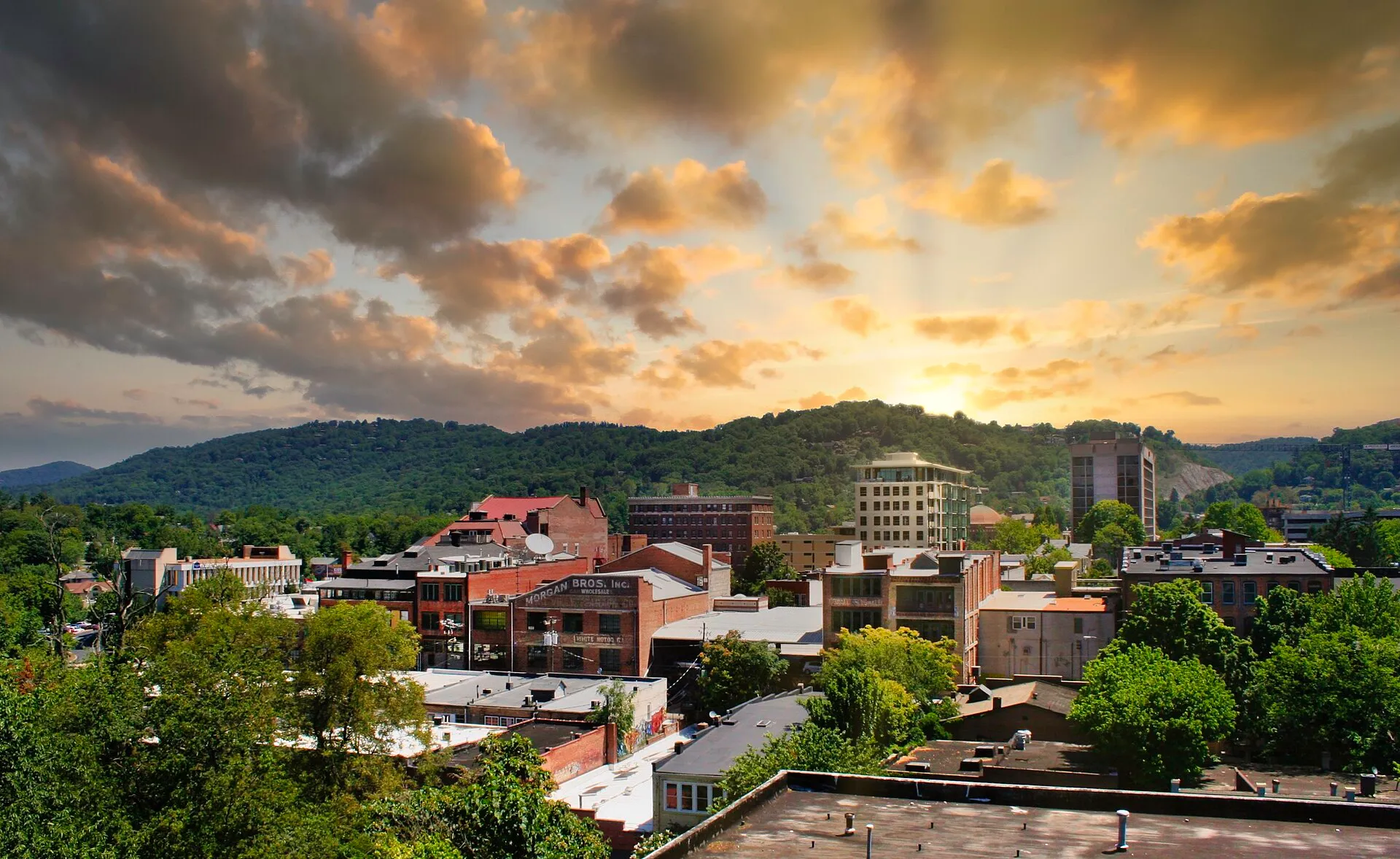
Asheville is a small mountain city that has grown pricier with its popularity, and roughly $2,800/month fits a solo remote worker. A one-bedroom in or near walkable Downtown or West Asheville runs about $1,300 to $1,700, while further out toward the outskirts or nearby towns you might find $1,050 to $1,400. Groceries for one run $350 to $450. Eating out is a local strength, with excellent breweries and farm-to-table spots; casual meals cost $12 to $20 and nicer dinners $25 to $40. North Carolina has a moderate flat state income tax. A car is effectively necessary here, so budget $250 to $450 for payment, fuel, and insurance. Coworking desks run about $150 to $275/month. Utilities are moderate, with some heating in winter and cooling in summer. These are editorial estimates in USD. Frugal nomads manage near $2,400, most land between $2,600 and $3,100 depending on rent and lifestyle. A hurricane came inland over these mountains in September 2024, destroyed much of the river district and left the city without drinking water for weeks, and the rebuilding is still visible on the ground. Insurance and rents both moved afterwards. Anything close to the water is a different insurance question now than it was.
Where to Work in Asheville
Asheville has a small but solid coworking scene concentrated Downtown and in the River Arts District, with hot desks, private offices, and a friendly, creative community that reflects the city's independent, artistic character. Home internet is generally good, with reliable cable and expanding fiber in and around town, though speeds can be less consistent in the surrounding mountainous rural areas, so verify service at any specific address. Cafe-work culture is a real highlight: Asheville is packed with independent coffee shops, especially in West Asheville and Downtown, many welcoming to laptop workers, and the coffee and pastry quality is high. The famous brewery scene also offers relaxed daytime spots. Caveats: the town is small and popular, so cafes fill up on weekends and during peak tourist season, and parking Downtown can be tight. Overall it is a genuinely pleasant place to work, well suited to independent remote workers who value atmosphere and community over big-city coworking scale. One unexpected institution anchors a scientific crowd downtown: NOAA's National Centers for Environmental Information, which keeps one of the world's largest archives of climate and ocean data, has its headquarters here, which is why climate scientists and data people are an unusually visible part of the professional scene.
Getting Around Asheville
Asheville is a small city where a car is effectively required for daily life. Public transit exists through the ART bus system, but coverage and frequency are limited and not practical as a primary way to get around the hilly, spread-out area. Downtown itself is compact and quite walkable, with restaurants, shops, and breweries close together, and West Asheville has walkable pockets too, but connecting between neighborhoods and reaching trailheads, grocery stores, or the Blue Ridge Parkway means driving. Ride-hailing (Uber and Lyft) is available but thinner than in big cities, especially late at night or in outlying areas. Asheville Regional Airport (AVL) is small but growing, with a modest set of nonstop domestic routes; for wider connections many travelers use Charlotte, about two hours away by car. The mountain terrain makes cycling challenging for transport, though scenic for recreation. Plan on renting or bringing a car for a comfortable stay here.
Sorting transport? Book an airport transfer, or compare car rental on Auto Europe and QEEQ.
Visas for Asheville
The US has no digital nomad visa, and North Carolina applies the same federal immigration rules as everywhere. Nationals of Visa Waiver Program countries can apply for an ESTA online and stay up to 90 days for tourism, without extension. Others generally need a B-2 tourist visa, normally good for a six-month admission per entry. Neither an ESTA nor a B-2 admission allows employment in the United States. Overstaying triggers automatic re-entry bans of three to ten years, so track your admitted-until date on the I-94. Asheville is a domestic destination, so you would typically clear immigration at a larger gateway airport; keep proof of onward travel, accommodation, and funds. A B-2 visitor wanting longer can file an extension request with USCIS for up to six months; Visa Waiver visitors cannot.
Best Time to Visit Asheville
Asheville sits in the Blue Ridge Mountains, giving it four real seasons and milder summers than the lowland South. The standout time is autumn: late September through early November brings spectacular fall foliage across the mountains, crisp air, and comfortable days, though it is also the busiest and priciest tourist season. Spring (April to May) is lovely, with blooming trees, waterfalls at full flow, and mild temperatures. Summer (June to August) is warm and green, generally cooler than nearby cities thanks to elevation, though humid with afternoon thunderstorms, and ideal for hiking and river tubing. Winter (December to February) is mild by northern standards but genuinely chilly, with occasional snow and ice in town and more in the higher elevations. For nomads, spring and fall are the sweet spots for weather and scenery, while summer suits those who want an outdoor mountain base. Book early for peak foliage, when lodging fills fast. The parkway along the ridge closes in sections whenever ice forms and can stay shut for weeks, which catches out anybody planning a winter drive on it. A forecast for the town tells you very little about the road two thousand feet above it.
Pros and Cons of Asheville
Pros: Asheville offers a rare blend of small-city charm, mountain scenery, and creative culture. It has a celebrated food, coffee, and craft-beer scene, a strong arts community, and immediate access to hiking, waterfalls, and the Blue Ridge Parkway. Summers are milder than the surrounding South, the pace is relaxed, and Downtown is genuinely walkable and atmospheric. It is a welcoming, independent-minded town that many nomads find easy to love. Cons: it is small, so career networking, nightlife, and big-city amenities are limited, and popularity has pushed rents and tourist crowds up. A car is essentially required, and the small airport means connecting through Charlotte for many flights. The region is also increasingly weather-aware after recent severe storm flooding, worth researching for any area you consider. Rural internet quality varies. For those wanting a lively metropolis or a car-free lifestyle, it will feel constraining, but for a scenic, laid-back base it excels. Great Smoky Mountains National Park charges no entry fee, but every car parked inside for more than fifteen minutes needs a paid tag, and the $40 annual tag pays for itself within a handful of weekend trips from here.
Who Asheville Is For
This is a scenic, laid-back mountain base with strong food, coffee, craft-beer and arts culture, and it goes to whoever loves the hiking, the waterfalls and the rest of the outdoors on the doorstep. It is ideal for creative and independent-minded remote workers who value atmosphere, community, and natural beauty over big-city scale or nightlife, and who are comfortable driving. It fits US-time-zone remote workers wanting a relaxed, charming small city rather than a major metro, and those seeking milder summers than the lowland South. Couples and solo travelers both fit, as does anybody who wants the pace of a week set by the mountains and not by a calendar. It is a weaker fit for those who need a car-free, transit-rich lifestyle, extensive professional networking, vibrant nightlife, or the conveniences and flight connections of a large airport. If you want a walkable Downtown surrounded by mountains and a genuine local scene, Asheville is hard to beat.