Cost of Living in Road Town
Where this figure comes from. No cost survey covers Road Town, so the $2,600 a month above is our own estimate rather than a measurement. On 416 of our 999 city guides the figure is built from a published Numbeo basket, a one-bedroom rent in the centre plus one person's monthly costs without rent, converted to USD; this city is not one of them. How we source everything.
Budget around $2,600 a month as a solo remote worker in Road Town, which is expensive and reflects an offshore financial centre and the world's busiest charter yacht base. A one-bedroom place runs roughly $1,200 to $1,800. Everything arrives by ship and the grocery bill is high even by Caribbean standards. The territory uses the United States dollar, which removes any conversion. Rents rose sharply after Hurricane Irma in 2017 destroyed much of the housing stock and have not fully settled. This is our own estimate rather than a reconciliation against measured data. Insurance is the line that changed after 2017 and has not changed back. Property and contents cover here is expensive and in some cases hard to obtain at all, which feeds directly into what landlords charge, and it is the reason rents rose faster than the rebuild alone would explain. Payroll deductions for social security and the national health insurance apply to anyone employed locally. Crew and seasonal staff mostly live in shared housing arranged through the charter companies, which is a parallel market a newcomer will not see advertised.
Where to Work in Road Town
The British Virgin Islands host tens of thousands of registered companies and the connectivity reflects that: fibre reaches Road Town and the developed parts of Tortola at solid speeds, and the professional services around the financial sector are substantial. Mobile coverage is good on Tortola and thinner on the outer islands. Power was rebuilt after Irma and is more reliable than before. There is a small amount of coworking. The territory runs on Atlantic time, an hour ahead of New York in the northern winter. Anyone working with London will find the four-hour offset workable, since a British afternoon lands at the start of the Virgin Islands day. The scale of the company registry is worth stating plainly, because it explains the town: several hundred thousand companies have been incorporated here, making this one of the largest offshore domiciles in the world, and the legal and accounting depth that supports it is genuinely international. That sector also lives under sustained external pressure over transparency, from the United Kingdom and from the European Union, and beneficial ownership rules have tightened repeatedly. Anyone joining it should expect a compliance-heavy working life rather than a sleepy one.
Getting Around Road Town
Road Town is small and its waterfront is walkable, but Tortola is mountainous and everything else needs a vehicle; driving is on the left in cars mostly imported with the wheel on the left, which takes adjustment. Open-air safari taxis run the main routes. The real transport here is the ferry: boats leave Road Town and West End constantly for Virgin Gorda, Jost Van Dyke and the United States Virgin Islands, and the whole territory is organised around them. Terrance B. Lettsome airport handles regional connections only. The ferry to St Thomas takes about forty-five minutes and crosses an international border, so a passport and the American entry rules both apply. Ridge Road runs the spine of Tortola and the gradients on it are severe enough that hire companies specify low gear on the descents, which is advice worth taking rather than filing. A car barge crosses to Virgin Gorda for anyone who needs a vehicle at the other end, though most people simply hire again on arrival. Taxi fares are set by published tariff rather than negotiated, so asking the rate before setting off settles the question.
Sorting transport? Book an airport transfer, or compare car rental on Auto Europe and QEEQ.
Visas for Road Town
The British Virgin Islands have no dedicated remote work visa, though the territory ran a one-year Work in Nature programme after the pandemic that has not been maintained as a standing category. Most Western nationalities enter for up to thirty days on arrival, extendable at the immigration department, and British citizens receive longer. Anyone planning several months should ask for the maximum at the border and extend locally. Working for a British Virgin Islands employer requires a work permit, which is a separate and considerably harder process. Anyone arriving by yacht clears customs and immigration separately at Road Town, West End or Jost Van Dyke, and the fees differ by vessel and season. The thirty-day stamp is short enough that extending is the normal course rather than the exception, and the immigration department expects it, so arriving with evidence of funds and accommodation makes the first extension straightforward. The trap sits offshore: crossing to the American side enters United States territory, so anyone who would need a visa or ESTA to fly to Miami needs exactly the same to board that boat, and being turned away at the dock is a common and entirely avoidable surprise.
Best Time to Visit Road Town
December to April is the dry season and the charter season, with steady trade winds, flat anchorages and daytime temperatures around twenty-eight. It is also when every mooring ball is taken and prices peak. May to November is hotter and wetter and the hurricane season runs through it; Hurricane Irma in September 2017 passed directly over the territory as a category five and destroyed most of the buildings on Tortola, which is still visible and still shapes what things cost. Anyone chartering should book the winter season many months ahead, since the fleet is finite and the good weeks go first. Christmas winds is the local name for the reinforced trades that blow through late December and January, and they make for spectacular sailing and uncomfortable anchorages on exposed sides. The Spring Regatta at the end of March is the territory's biggest event on the water. Emancipation Festival in early August is the biggest on land, running for days and an entirely different proposition from the charter season. Water temperature barely varies, which is why the diving holds up year-round.
Pros and Cons of Road Town
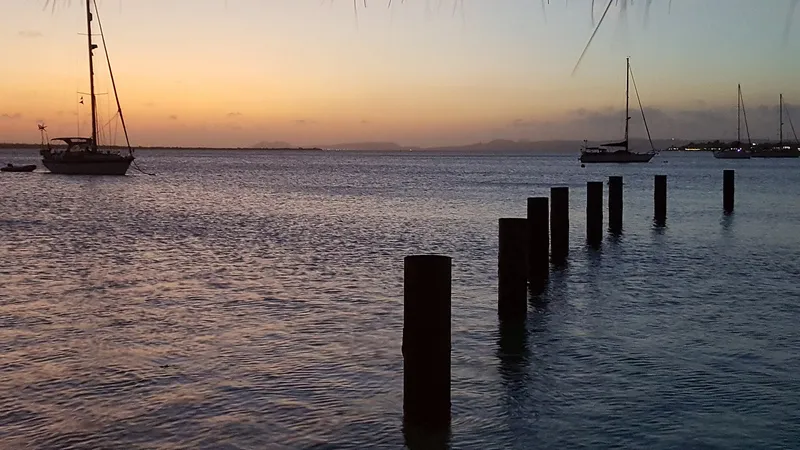
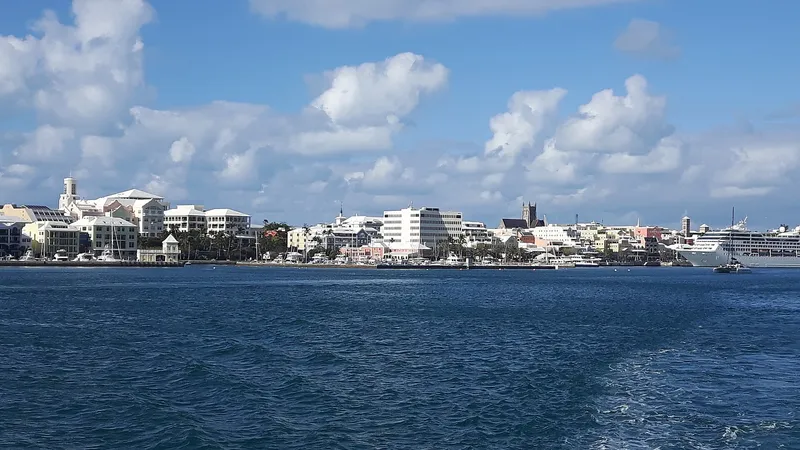
The British Virgin Islands are the charter yacht capital of the world for a reason: sixty islands within sight of each other, consistent trade winds, short line-of-sight passages and anchorages like the Baths on Virgin Gorda and the beach bars of Jost Van Dyke. It is safe, English-speaking and uses the dollar. Prices are high, there is no remote work visa of any kind, Road Town itself is a functional port and financial district rather than an attractive town, and the hurricane exposure is not theoretical. Recovery from Irma also reshaped the territory's building code, and much of what has been rebuilt since is considerably more storm-resistant than what stood before. Governance here has been under scrutiny rather than quietly ticking over: a United Kingdom commission of inquiry reported in 2022, a premier was arrested that year in Miami, and constitutional reform has been under discussion since, which is live local politics rather than history. On a practical level, prices running above the neighbouring American islands send a steady traffic of residents across for a shopping day, which tells you most of what you need to know about the gap.
Who Road Town Is For
A sailor or somebody in offshore finance, and genuinely hard to justify for anyone who is neither. If the plan is to charter or crew, this is the best base in the Caribbean and the case makes itself. No long-stay visa exists, a budget will not hold in the British Virgin Islands, and anybody expecting a town should adjust that picture: this is a harbour with offices arranged around it. The ferries are the point; anyone who will not use them should look elsewhere. The offshore corporate sector is the one field in which this territory operates at genuine international depth rather than at the scale its population would suggest. Crewing is the route in that the guides omit. The charter fleet hires captains, mates, cooks and engineers every season, the qualifications are attainable, and it is how a good many people who now live here first arrived without capital or a company behind them. Anyone comparing the two Virgin Islands groups should know the American side is cheaper, better connected to the mainland and busier, while this one keeps the anchorages and the quiet.
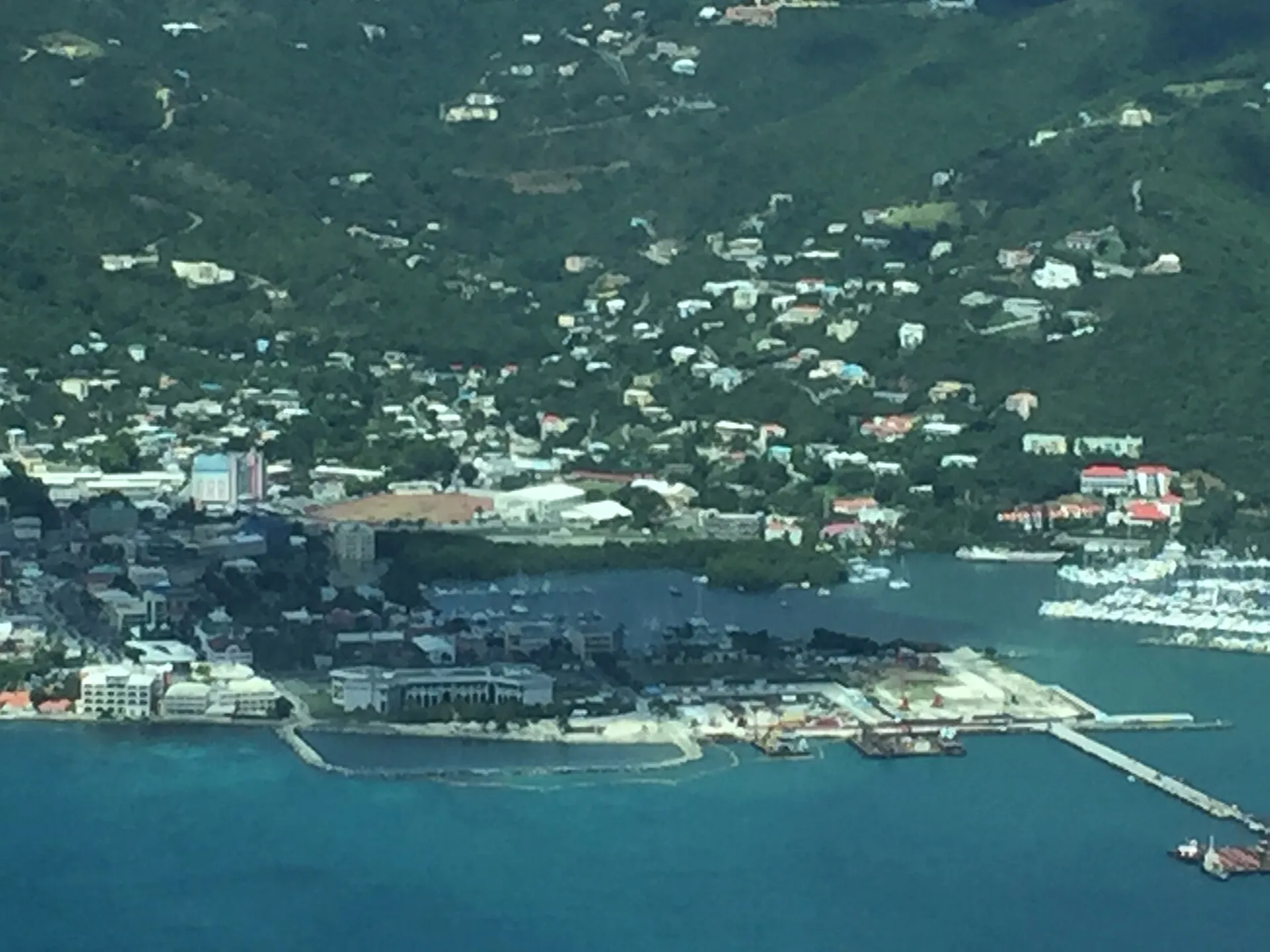 Photo: Kevin Stroup / Wikimedia Commons (CC BY 3.0)