Cost of Living in Charlotte Amalie
Where this figure comes from. No cost survey covers Charlotte Amalie, so the $2,700 a month above is our own estimate rather than a measurement. On 416 of our 999 city guides the figure is built from a published Numbeo basket, a one-bedroom rent in the centre plus one person's monthly costs without rent, converted to USD; this city is not one of them. How we source everything.
Budget around $2,700 a month as a solo remote worker in Charlotte Amalie, which is expensive even by American standards and reflects a territory that imports everything. A one-bedroom place runs roughly $1,300 to $1,900. Groceries cost substantially more than the American mainland and electricity is among the most expensive under the United States flag, which residents discuss constantly. There is no need to convert anything, since the territory uses the dollar and is part of the United States customs zone. This is our own estimate rather than measured data. Electricity deserves its own line in a budget rather than a footnote, since the utility generates from imported fuel and a house with the air conditioning on can run to several hundred dollars a month by itself. Shipping a container of belongings from the mainland is how most people move here and costs accordingly. Property insurance is expensive and hurricane cover is not optional where there is a mortgage. What comes back the other way is the absence of any currency conversion, international banking or roaming charge, which removes costs that every other island on this site quietly imposes.
Where to Work in Charlotte Amalie
Connectivity is good: the territory is served by submarine cable, fibre reaches most of St Thomas at solid speeds, and American carriers operate here with domestic roaming, so a United States mobile plan works without international charges. That last point is a genuine practical advantage over every other Caribbean island. There is a small coworking presence. Power outages are more frequent than on the mainland and the grid was heavily damaged in 2017. The territory runs on Atlantic time year-round. Anyone with an American employer will also find payroll, banking and tax entirely domestic here, which removes a set of problems every other Caribbean base creates. A generator or a battery is normal household equipment here rather than a precaution, since outages remain more frequent than anything the mainland would put up with. The territory also runs an economic development programme offering qualifying businesses steep reductions in corporate and personal tax in exchange for relocating and hiring locally, which has drawn a steady trickle of small firms and is a serious proposition rather than a brochure. Anyone weighing it should take advice early, because the residency and hiring conditions are specific and they are audited.
Getting Around Charlotte Amalie
Charlotte Amalie is built around a harbour on steep ground and the waterfront and Main Street are walkable, though the residential streets above involve the ninety-nine steps and several other staircases cut into the hillside. Safari taxis, open-sided trucks with bench seats, run the main routes cheaply. Driving is on the left, in cars almost all imported from the American mainland with the wheel on the left, which is genuinely disorienting. Ferries run to St John, St Croix and the British Virgin Islands. Cruise ships berth at Havensight and Crown Bay, and on a four-ship day the town centre is genuinely difficult to move through. A car earns its keep the moment you leave the waterfront, and the roads climb hard, turn tight and punish brakes rather than merely winding. A seaplane links St Thomas and St Croix in about twenty minutes, landing in both harbours, which is a considerably better experience than the ferry and not much dearer. The cruise schedule is published and worth consulting like a weather forecast, since it decides whether Main Street is passable on a given morning.
Sorting transport? Book an airport transfer, or compare car rental on Auto Europe and QEEQ.
Visas for Charlotte Amalie
This is United States territory, so for American citizens there is no visa question at all: no passport is required to travel from the mainland and there is no limit on how long you may stay or work. That makes the United States Virgin Islands the simplest Caribbean option available to Americans by a wide margin. Everyone else needs a United States visa or an ESTA under the Visa Waiver Programme, with the same ninety-day limit and the same prohibition on productive work that applies on the mainland. Anyone travelling on to the British Virgin Islands should note that is a separate country with its own entry rules, despite the forty-five minute ferry. A passport is still worth carrying despite not being required, because the return journey passes through United States customs and the process is markedly smoother with one. The territory has its own customs allowance, more generous than the mainland's, which is why the duty-free shops exist at all. Residents pay income tax to the territory rather than to Washington and cannot vote in presidential elections, a constitutional oddity worth understanding before a long stay.
Best Time to Visit Charlotte Amalie
December to April is the dry season, with daytime temperatures around twenty-eight, low humidity and the highest prices, since this is when the cruise ships and the mainland arrive. May to November is hotter and wetter and the Atlantic hurricane season runs through it; St Thomas was hit by both Irma and Maria within two weeks in September 2017 and the recovery took years. Carnival on St Thomas runs through April and is the largest event of the year. St John's Virgin Islands National Park covers roughly two-thirds of that island and is reachable by a twenty-minute ferry in any season. Late April into June is the value window, after the ships thin out and before the heart of the storm season, and the water is warmest through the autumn rather than the winter. The island reverts to its residents through September and October, when a fair number of restaurants shut altogether, and those same weeks sit at the centre of the storm season, which is the trade being offered. Sargassum affects some windward beaches in some years between spring and late summer.
Pros and Cons of Charlotte Amalie
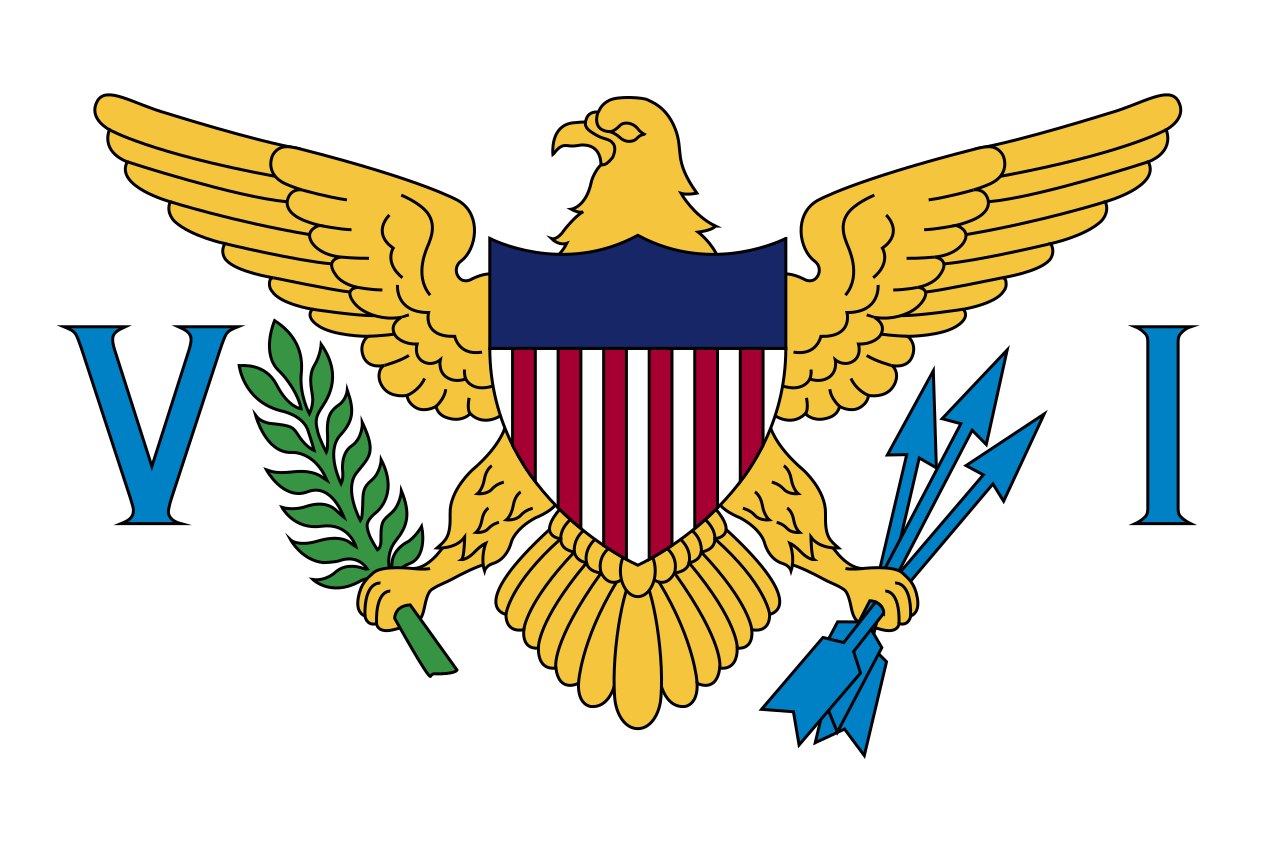
For an American, the Virgin Islands are the Caribbean without any paperwork at all: no passport, no visa, no time limit, a domestic mobile plan and the dollar. Charlotte Amalie has a genuine Danish colonial core with Fort Christian dating from 1672, and St John, twenty minutes by ferry, is two-thirds national park. It is an expensive place, and the crime rate is high enough that both residents and the State Department name specific areas to avoid, and the town is heavily shaped by cruise retail. Electricity costs here are also among the highest anywhere under the American flag, which is a real and recurring line in any household budget. Medical care is the gap that surprises people who assumed a United States flag settles it. The hospital handles routine and emergency work, but anything specialist means a flight to Puerto Rico or Florida, and that is a normal part of living here rather than an exception. The Danish period also runs deeper than the fort: Denmark governed these islands for nearly two and a half centuries before selling them to the United States in 1917, and the street names, the architecture and the legal traces are all still Danish.
Who Charlotte Amalie Is For
An American remote worker who wants the Caribbean with no immigration friction whatsoever, and for that specific person nothing else on this site competes. It works indefinitely rather than for a season. Anybody without an American passport gets the full weight of United States visa rules here and none of the compensating benefits of being on the mainland, and a budget will not survive island import pricing either. Read current safety guidance for St Thomas rather than assuming a United States flag means low crime. Sailors are the exception. These islands sit at one end of the same chain the British Virgin Islands charter fleet works, which puts a world-class cruising ground within a day's sail. Among the American Caribbean options, Puerto Rico is worth a look too, which is larger, considerably cheaper, better connected by air and offers tax incentives of its own, while these islands are smaller, prettier and more expensive. Within the territory, St Croix is quieter and cheaper than St Thomas, and St John is the one people fall in love with. Families do reasonably well here, though the schooling question sends a good many to the mainland eventually.
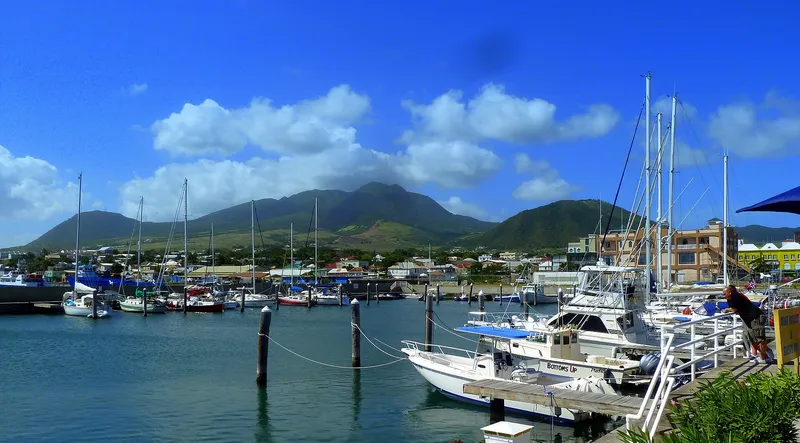
 Photo: Gruepig / Wikimedia Commons (CC BY-SA 4.0)