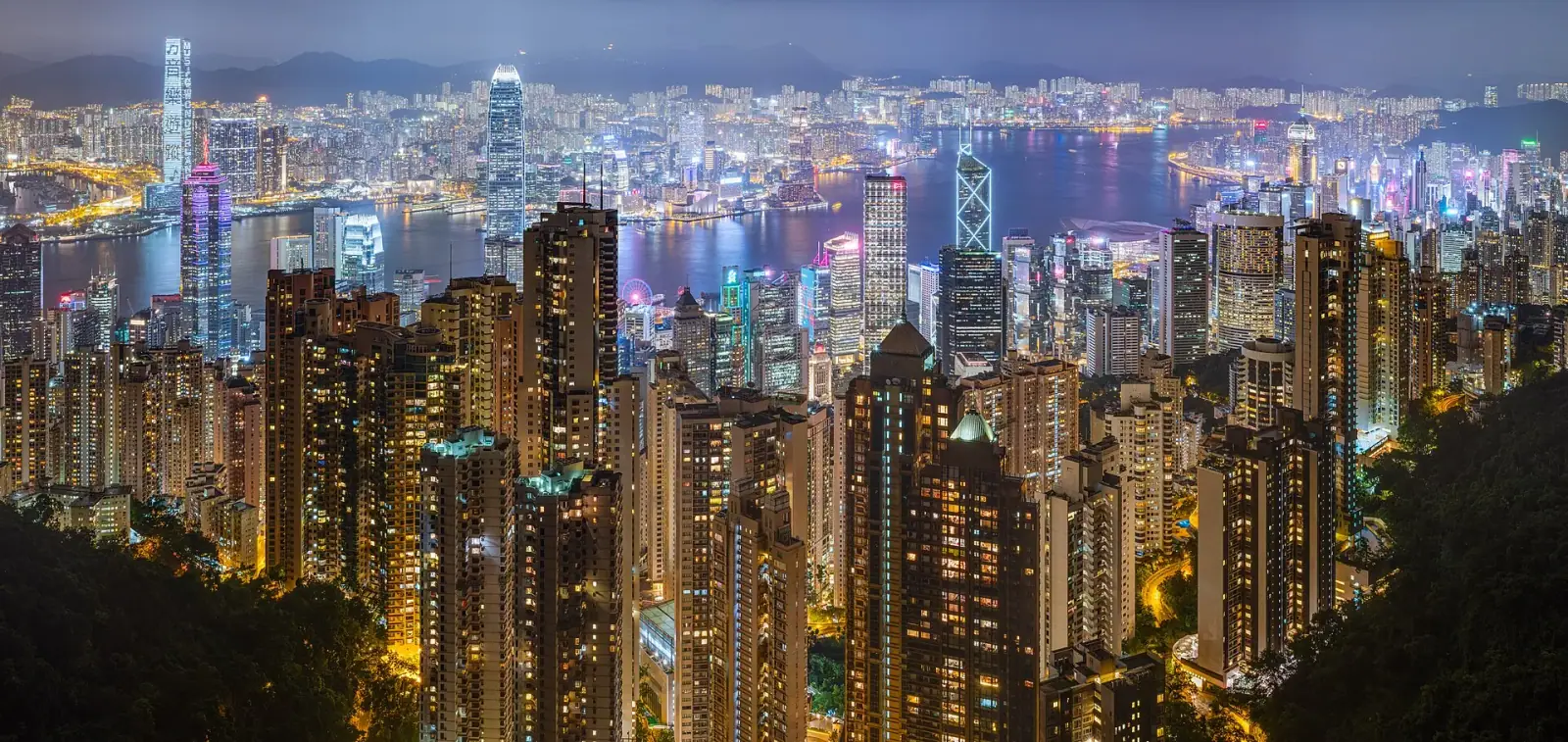
 Hong Kong
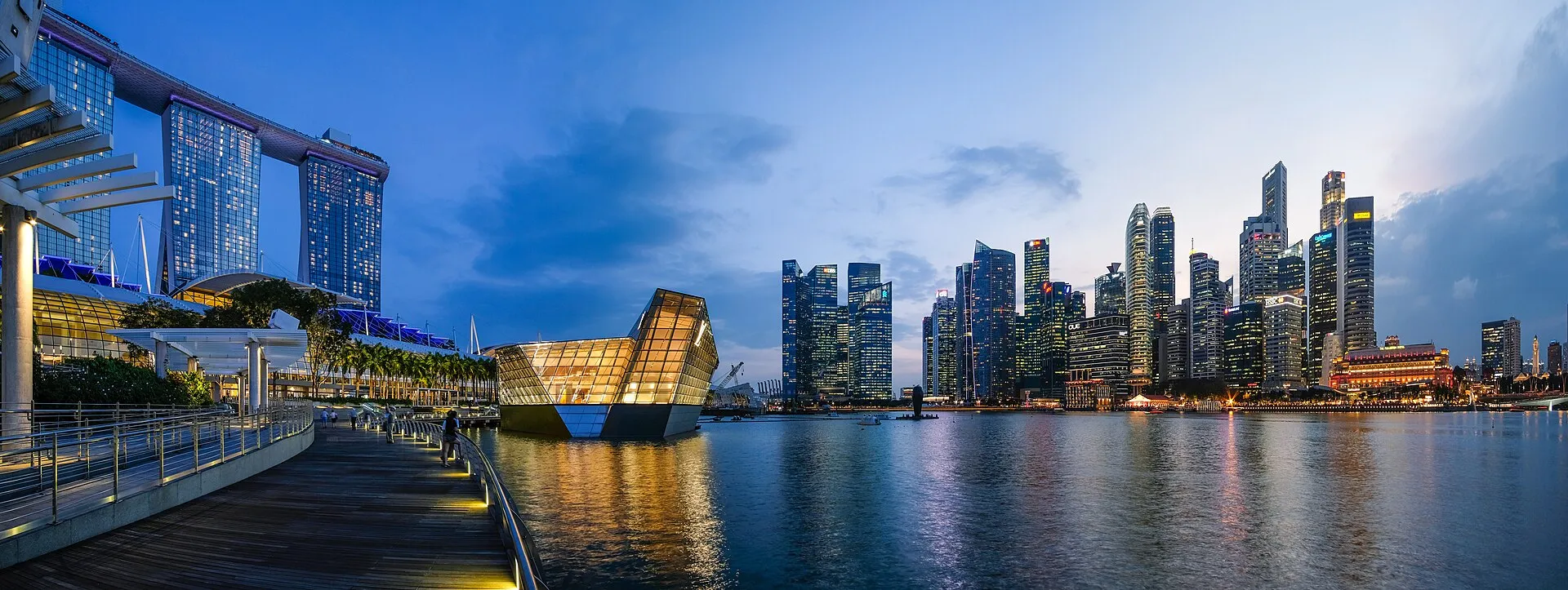
 Singapore
The story goes like this: Hong Kong died in 2020, the bankers and the expats packed up, and Singapore inherited Asia. It gets repeated so often that it passes for fact. Like most stories told that confidently, part of it happened, and the part that happened is less useful to a remote worker than the part that gets left out.
Who left, and who arrived
The national security law of June 2020 did change Hong Kong. A second security ordinance followed in 2024, opposition politics has been reduced to almost nothing, and the candlelit Tiananmen vigils are gone. Anyone whose work touches journalism, advocacy, or Chinese politics should take that as a serious reason to stay away, and no amount of hiking changes it.
But an emptied city is another matter. The Top Talent Pass Scheme, launched in 2022, had drawn over 116,000 applications and approved 92,000 of them by the end of 2024. Hong Kong still ranks third in the Global Financial Centres Index. The city you would meet is different from the one in the old stories, but people are still moving there in large numbers.
It also has real wounds of a kind you should not expect from the myth. The Wang Fuk Court fire in Tai Po in November 2025 killed 168 people, with safety netting and foam boards from a renovation among the things that burned. In an older tower, take a look at what is wrapped around the building before you sign.
Long-stay permits
This is where the Singapore half of the story fails for someone with a laptop. Singapore's main route is the Employment Pass, applied for by an employer, with a salary floor of about $4,400 a month rising to about $4,700 for new applications from January 2027, and much higher for older candidates, reaching roughly $9,000 at 45. It was built to bring in staff for Singapore companies. Without one of those, you have your visa-free visit and little else.
Hong Kong's pass needs no job offer at all. You qualify with an income of about $320,000 a year, or with a degree from a listed university plus three years of work in the past five. The catch comes at renewal, when you have to show a Hong Kong job or a business of your own operating there, so it only suits someone who is open to putting down a real local root. Even so, it is the more open door of the two, which is the reverse of what the story predicts.
Green space
Singapore calls itself the Garden City, and its trees and park connectors deserve the name. About 10 percent of the land is parks and reserves, with the 2,880-hectare Central Catchment at the centre. Yet its nature reserves proper make up only 0.25 percent of its land, and its highest point, Bukit Timah, is 164 metres.
Hong Kong, the supposed concrete canyon, is three-quarters countryside, with about 38 percent protected in country parks. Tai Mo Shan rises to 957 metres. The Hong Kong Trail runs 50 kilometres from the Peak to Big Wave Bay, and from an office in Central you can be on the Dragon's Back ridge above the South China Sea on a Saturday morning by bus. Between November and February, the air is cool and dry enough to enjoy it. Summer brings typhoons and days when the whole city shuts.
Singapore wins on steadiness: 23 to 32°C every day of the year, Changi on the MRT, and hawker meals at $4 to $6. Its flats are also more bearable. On official rent data, 45 square metres costs a local tenant about $1,860, against about $2,630 in Hong Kong, where a central flat of 300 to 450 square feet is normal.
Money
Very little separates them over a full month. We estimate $4,500 for Hong Kong and $4,500 for Singapore, so this is one comparison in which saving does not come into it.
We lean Hong Kong for a single adult who wants mountains and qualifies for the pass, and Singapore for anyone with children, a Singapore employer, or work that needs to stay out of political reach. So the question to ask yourself is narrower than the myth makes it. Would anything you write, publish, or advise on ever annoy Beijing?
 United States
 United Kingdom
 Germany
 Canada
 Australia
 India