Cost of Living in Shenzhen
Real market data
Source: Numbeo · August 2026
$1,010/moSolo nomad1-bed centre + living costs
$1,290/moCoupleshared 1-bed + costs
$780/moLean / localcheaper area + costs
- 1-bed rent, city centre$670¥4,543
- 1-bed rent, outside centre$440¥2,979
- Monthly costs excl. rent (1 person)$340¥2,319
- Meal, inexpensive restaurant$4¥25
- Monthly transit pass$22¥150
- Buy price, per m² (centre)$12,900¥87,274
Prices are from Numbeo (August 2026), converted to USD at $1 = ¥6.76 (01 Aug 2026). The monthly living-costs figure is our transparent one-person basket, groceries, a few meals out, utilities, phone, internet, transport and essentials, priced from those figures. Solo adds central rent; couple and lean are estimates from the same numbers. The guide below quotes its own monthly range, which is a different measurement rather than a competing one: this table prices a defined basket at the figures above, while that range is a judgement about how somebody actually lives here.
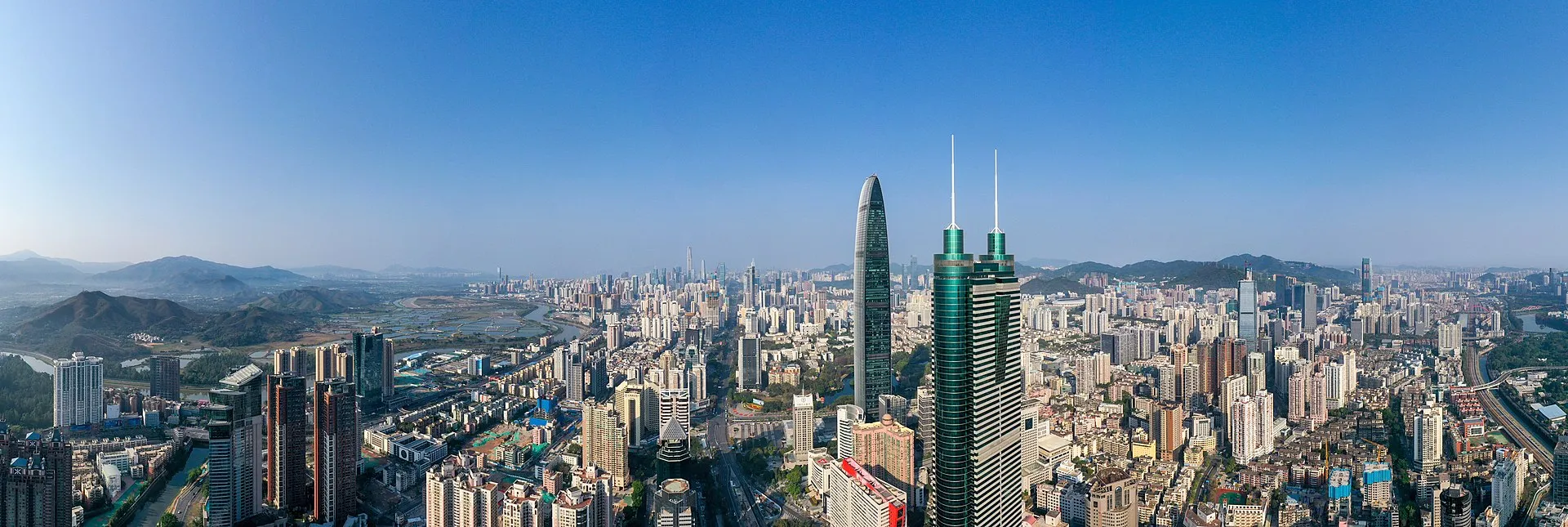
Shenzhen is one of China's most expensive cities, but it remains far cheaper than comparable tech hubs in the West. Here is a realistic monthly breakdown for a solo nomad in 2025-2026:
- Rent, central (Futian or Nanshan): $665-885
- Rent, outer districts (Longhua, Bao'an): $370-515
- Groceries: $120-175/month if you cook mostly local food; imported goods cost 2-3x more
- Eating out: $3.50-6 per meal at local restaurants; mid-range sits around $12-22 per person
- Coworking hot-desk: $175-370/month depending on provider and location
- Local transport (metro): $22/month for a pass, or pay-per-ride at $0.50-1 per journey
- VPN subscription (essential): $15-30/month
Total realistic range: $1,180-2,070/month covers rent, food, transport, coworking, and a VPN. You can spend less if you live in outer districts and eat almost entirely local.
Where to Work
Shenzhen has a solid and growing coworking ecosystem, driven by its tech and startup culture. The best-known local chain is SimplyWork, with eight locations spread across Nanshan and Futian, popular with both locals and foreigners and known for affordable hot desks and a lively startup atmosphere. WeWork operates in the city with locations including the TCL Building in Nanshan. For premium options, The Executive Centre in the China Resources Tower in Futian CBD offers full-service coworking with fast, reliable internet.
Cafe-working is complicated here. Many independent cafes have wifi, but the culture is more social than work-oriented, and staff may grow uncomfortable if you linger for hours with a laptop. Chains like Starbucks and Tim Hortons are more tolerant and spread across the city.
The biggest issue for remote workers is the internet itself. China's Great Firewall blocks Google, Gmail, Slack, GitHub, WhatsApp, most Western social media, and many other tools you likely depend on. A reliable VPN is not optional, it is a requirement. However, VPN use carries legal risk and the government periodically tightens enforcement. Connections can be unreliable, especially around sensitive dates. Broadband itself is fast in apartments and coworking spaces, but the GFW adds latency and unpredictability. Plan your workflow around this before you arrive.
Getting Around
Shenzhen's metro system is excellent: clean, fast, cheap, and easy to navigate with English signs at all stations. The network covers all major districts and runs from around 6:30 AM to midnight. A single journey costs $0.50-1, and a monthly pass runs roughly $22. You should not need taxis for day-to-day movement.
The city is reasonably walkable within individual districts, especially in the Coco Park area of Futian and the Houhai and Shekou areas of Nanshan, though the urban scale means distances between neighborhoods require the metro. Cycling and e-bikes are popular; shared bike apps (Hello and Meituan) work well for short hops.
Shenzhen Bao'an International Airport (SZX) is in Bao'an District, about 35-45 km from the central business districts. Metro Line 11 (the Airport Express) connects the airport to Futian in about 30 minutes and is the fastest and cheapest option at roughly $3-4.50. Taxis from the airport to Futian cost $15-22 and take 45-90 minutes depending on traffic. The airport also connects by ferry to Hong Kong International Airport via Fuyong Port, a useful option if you are transiting between the two cities.
Sorting transport? Book an airport transfer, or compare car rental on Auto Europe and QEEQ.
Visas and Staying Long-Term
China has expanded its visa-free entry program significantly. As of 2026, citizens of about 50 countries including most of Europe, the UK, Canada, Australia, New Zealand and several South American nations can enter China visa-free for up to 30 days for tourism, business, family visits or transit, under a scheme that runs to 31 December 2026. The United States is not on that list: US citizens need an L tourist visa arranged in advance, or can use the 240-hour visa-free transit exemption when continuing to a third country through a designated port.
There is no digital nomad visa for China. The visa-free allowance is for short stays only and does not permit paid work for Chinese entities. For longer stays, you would need a tourist visa (L-visa), typically valid for 30-60 days per entry, or a work visa (Z-visa) tied to a specific employer. Extending a tourist visa inside China is possible but bureaucratically involved. Many nomads use a border run to Hong Kong to reset their visa-free or tourist visa allowance, though immigration officers may question frequent resets.
The old Shenzhen Special Economic Zone 5-day visa-on-arrival for visitors not eligible for the general visa-free program has become largely redundant given the expanded visa-free list.
Best Time to Visit
Shenzhen has a subtropical climate with a distinct wet season and dry season. The city sits at a similar latitude to Havana and experiences hot, humid summers with frequent typhoon-related disruptions.
October through February is the best window for nomads. Autumn (October-November) brings pleasant temperatures of 20-26°C (68-79°F) with low humidity and mostly clear skies. Winter (December-February) is the most stable season: dry, sunny, and mild at 15-22°C (59-72°F), rarely cold by international standards. This stretch is ideal for sustained work and easy outdoor movement.
March through May is transitional: warm but frequently overcast and drizzly, with high humidity arriving in April.
June through September is the most difficult period. Temperatures hit 31-33°C (88-91°F) with oppressive humidity and frequent heavy rain. Typhoon season runs from June to October, and while direct hits are not guaranteed annually, the city regularly experiences peripheral effects. Unless you plan to work entirely indoors and do not mind the heat, this is a period to avoid.
Pros and Cons
- Outstanding metro connectivity covering the whole city affordably
- Very low violent crime and a strong sense of personal safety day and night
- Thriving tech and startup ecosystem with genuine networking opportunities
- Excellent and cheap food, especially Cantonese cuisine, dim sum, and street food
- Fast broadband in apartments and coworking spaces
- Close to Hong Kong for visa runs, international flights, and unrestricted internet access
- Great Firewall is a serious daily obstacle: VPN use is unreliable and legally grey
- Limited visa options for stays beyond 30 days without a work sponsor
- English is limited outside tourist zones; navigating daily life requires translation apps
- Air quality can dip in winter and during high-pollution events from the Pearl River Delta industrial belt
- Summers are brutal: oppressive heat, humidity, and typhoon risk
- Payments are almost entirely cashless via WeChat Pay and Alipay, which require a Chinese bank account to set up fully; foreigners can link international cards but with friction
Who Shenzhen Is Best For
Shenzhen suits nomads who are genuinely curious about China's tech and manufacturing scene, are comfortable navigating a non-English environment using translation tools, and have the patience to manage VPN connectivity as a core part of their workflow. Entrepreneurs sourcing hardware, engineers interested in China's startup culture, and anyone building products with Pearl River Delta manufacturers will find this city uniquely valuable.
It also works well as a base for exploring southern China and hopping to Hong Kong regularly, and the low crime and high walkability make it comfortable for those spending a focused 2-4 week stint.
Skip Shenzhen if your daily work tools depend on unfiltered internet access and a stable VPN is not viable for your setup. It is also a harder choice if you need a strong English-speaking community, reliable long-term visa options without a work sponsor, or want a slower pace of life. If you are open to China but uncertain, start with a 2-week visit during the dry season before committing to a longer stay.