Cost of Living in Vung Tau
Where this figure comes from. No cost survey covers Vung Tau, so the $800 a month above is our own estimate rather than a measurement. On 416 of our 999 city guides the figure is built from a published Numbeo basket, a one-bedroom rent in the centre plus one person's monthly costs without rent, converted to USD; this city is not one of them. How we source everything.
At $800 a month a single nomad lives well in Vung Tau, a seaside city that is cheaper than Ho Chi Minh City while offering better air and a coastline. Furnished studios and one-bedroom apartments in Ward 1 near Front Beach or around Back Beach rent for $230 to $400, with sea-view units at the upper end and long-term deals common. Food costs $170 to $250: banh khot at $2 to $3, seafood plates at $4 to $8, and Western or Russian-influenced restaurants at $8 to $14. A Viettel or Mobifone SIM with plentiful data is $4 to $8. Coworking is limited, with desks near $60 to $100 where available, so many work from cafes at the price of a $1.50 coffee. Electricity, water and fibre total $40 to $80, spiking with air conditioning. Grab rides cost $1 to $3. Verdict: excellent coastal value. Power is billed in rising bands, so a flat running its cooling all evening crosses into a dearer tier and the bill jumps rather than climbs. Landlords often quote a foreigner one rate and a neighbour another, and that gap narrows with a longer commitment.
Where to Work in Vung Tau
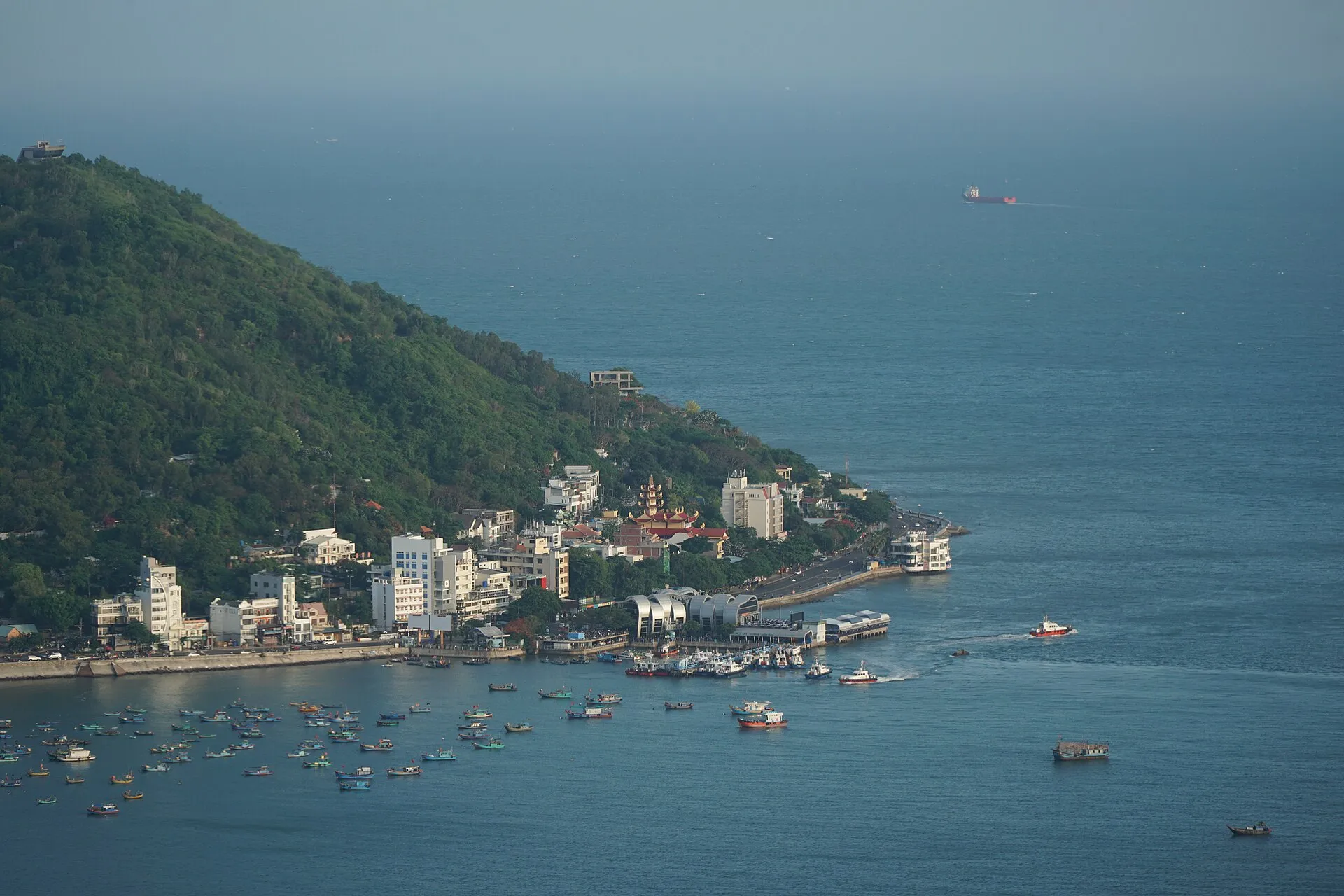
Ward 1 around Front Beach, Bai Truoc, is the most convenient base, walkable to the promenade, markets and the ferry pier; Ward 2 and the Back Beach strip, Bai Sau, suit surfers, kitesurfers and those wanting a wider beach but a longer walk to the centre. Cafe culture carries the working day here: Cong Caphe, Highlands Coffee and a dense set of independent sea-view cafes along Ha Long and Thuy Van streets all offer air conditioning, outlets and reliable wifi, and several stay open late. Purpose-built coworking has never established itself, so an apartment with a good fibre line is the sensible core setup, with occasional international slowdowns from undersea cable faults. Caveats: weekend crowds from Ho Chi Minh City fill cafes on Saturdays and Sundays, and coastal wind and beachfront noise make outdoor tables impractical for calls. Those ward numbers are now history. Since 1 July 2025 the old Wards 1 to 5 and Thang Nhi have formed a single Vung Tau ward, Ward 10 around Chi Linh has been folded into Rach Dua, and the city now answers to Saigon's municipal government instead of a province of its own. Official paperwork uses the new names while older rental listings still quote the numbers, so pin down the street and a landmark before booking a viewing.
Getting Around Vung Tau
Vung Tau is compact and largely flat along the coast, so the centre is walkable and a bicycle covers most daily needs. Grab and the electric Xanh SM service dominate for anything longer: motorbike rides cost $0.60 to $1.50 and cars $2 to $5. A monthly scooter rental of $45 to $70 is worth it for the Nghinh Phong cape loop, Ho May cable car area and the beaches south of the city, though it is not strictly essential. The city has no airport; arrival is from Ho Chi Minh City, roughly 100km away. Limousine vans and buses from Saigon cost $6 to $10 and take two to three hours depending on the Long Thanh expressway traffic. The Greenlines DP hydrofoil from Bach Dang pier in District 1 is the more pleasant option at about $12 to $15 for a two-hour crossing, though sailings are weather-dependent. A vast new international airport is being built inland between here and the big city, and when it opens it puts long-haul flights within about an hour of this coast for the first time, which would change the case for basing here considerably.
Sorting transport? Book an airport transfer, or compare car rental on Auto Europe and QEEQ.
Visas for Vung Tau
Vietnam's rules apply identically in Vung Tau. The universal e-visa, available to all nationalities since August 2023, grants up to 90 days single or multiple entry, costs roughly $25 or $50 respectively, and is applied for online with approval typically in three to five working days. Citizens of the United Kingdom, France, Germany, Italy, Spain and several other European and Asian countries also qualify for a 45-day visa exemption, with the eligible list revised periodically. Vietnam has no digital nomad visa, and remote work for a foreign employer while on a tourist entry is a widely practised grey area rather than an explicitly permitted category. In-country extensions exist through agencies but are unreliable and expensive; the standard long-stay pattern is a border run to Cambodia, Thailand or Singapore followed by a fresh e-visa. Local employment requires a work permit and temporary residence card obtained by a Vietnamese sponsor.
Best Time to Visit Vung Tau
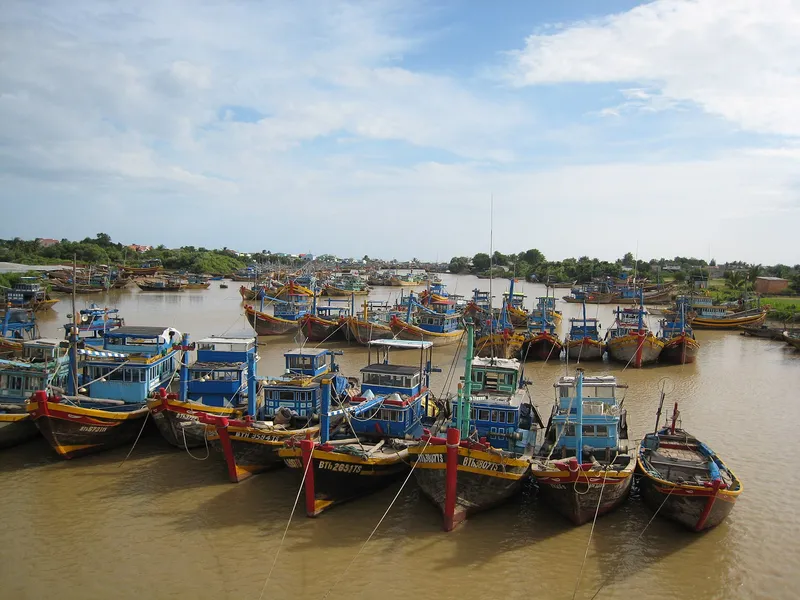
Vung Tau follows southern Vietnam's two-season pattern and sits largely outside the main typhoon corridor, which is a meaningful advantage over central and northern coastal cities. The dry season runs from November to April: sunny, breezy, with highs of 29C to 33C, clean beaches and the best window overall. December to March is peak kitesurfing season at Back Beach thanks to consistent northeast winds. The wet season spans May to October, characterised by intense but usually short afternoon downpours rather than all-day rain, with humidity high and skies dramatic; September and October are the wettest and the sea is murkiest. Temperatures stay between 25C and 34C year round, so there is no cold season at all. Tet in January or February shuts many businesses and fills the city with domestic visitors, as do the Whale Worship festival and every Vietnamese public holiday weekend. The wind swings right round between the seasons, which is why one beach works in the dry months and the other in the wet, and why locals will tell you to change sides rather than change towns. Fishing boats work the bay at night under lamps visible from the promenade.
Pros and Cons of Vung Tau
Vung Tau's strengths are its balance: sea air and a long promenade, cleaner and cooler than Ho Chi Minh City, genuinely cheap rents with sea views, superb seafood and the local banh khot, a walkable and flat centre, decent fibre, a small but established expat presence rooted in the offshore oil industry, and a two-hour hydrofoil to Saigon for anything the city lacks. Kitesurfing from November to March is a real draw. The drawbacks are equally clear: weekends bring heavy domestic crowds and inflated prices, the beaches are pleasant rather than world class and can be littered after busy periods, there is no airport or formal coworking scene, the nomad community is small and transient, English is limited outside tourism, the wet season is humid and grey, and anyone wanting culture, nightlife or a large international network will be commuting to Ho Chi Minh City regularly.
Who Vung Tau Is For
Vung Tau fits the nomad who wants Vietnamese prices with a coastline and cleaner air, and who is happy to be near Ho Chi Minh City rather than in it. Kitesurfers and swimmers come first. After them it is long-stay budget freelancers who need nothing more than a fast apartment connection, couples and quiet-living remote workers, and people who cycle in and out of Saigon for meetings, flights and whatever social life they want out of it. It is also a sensible soft landing for a first long stay in Vietnam given how manageable the city is. Skip it if the priority is a dense nomad scene with coworking, meetups and constant new arrivals, if a top-tier beach is expected, or if an international airport on the doorstep is required. Those wanting more infrastructure and a bigger community should compare Da Nang; those wanting pure city energy should base in Saigon.