Cost of Living in The Hague
Real market data
Source: Numbeo · August 2026
$2,670/moSolo nomad1-bed centre + living costs
$3,480/moCoupleshared 1-bed + costs
$2,330/moLean / localcheaper area + costs
- 1-bed rent, city centre$1,660€1,440
- 1-bed rent, outside centre$1,320€1,148
- Monthly costs excl. rent (1 person)$1,010€879
- Meal, inexpensive restaurant$23€20
- Monthly transit pass$95€83
- Buy price, per m² (centre)$6,400€5,556
Prices are from Numbeo (August 2026), converted to USD at $1 = €0.87 (01 Aug 2026). The monthly living-costs figure is our transparent one-person basket, groceries, a few meals out, utilities, phone, internet, transport and essentials, priced from those figures. Solo adds central rent; couple and lean are estimates from the same numbers.
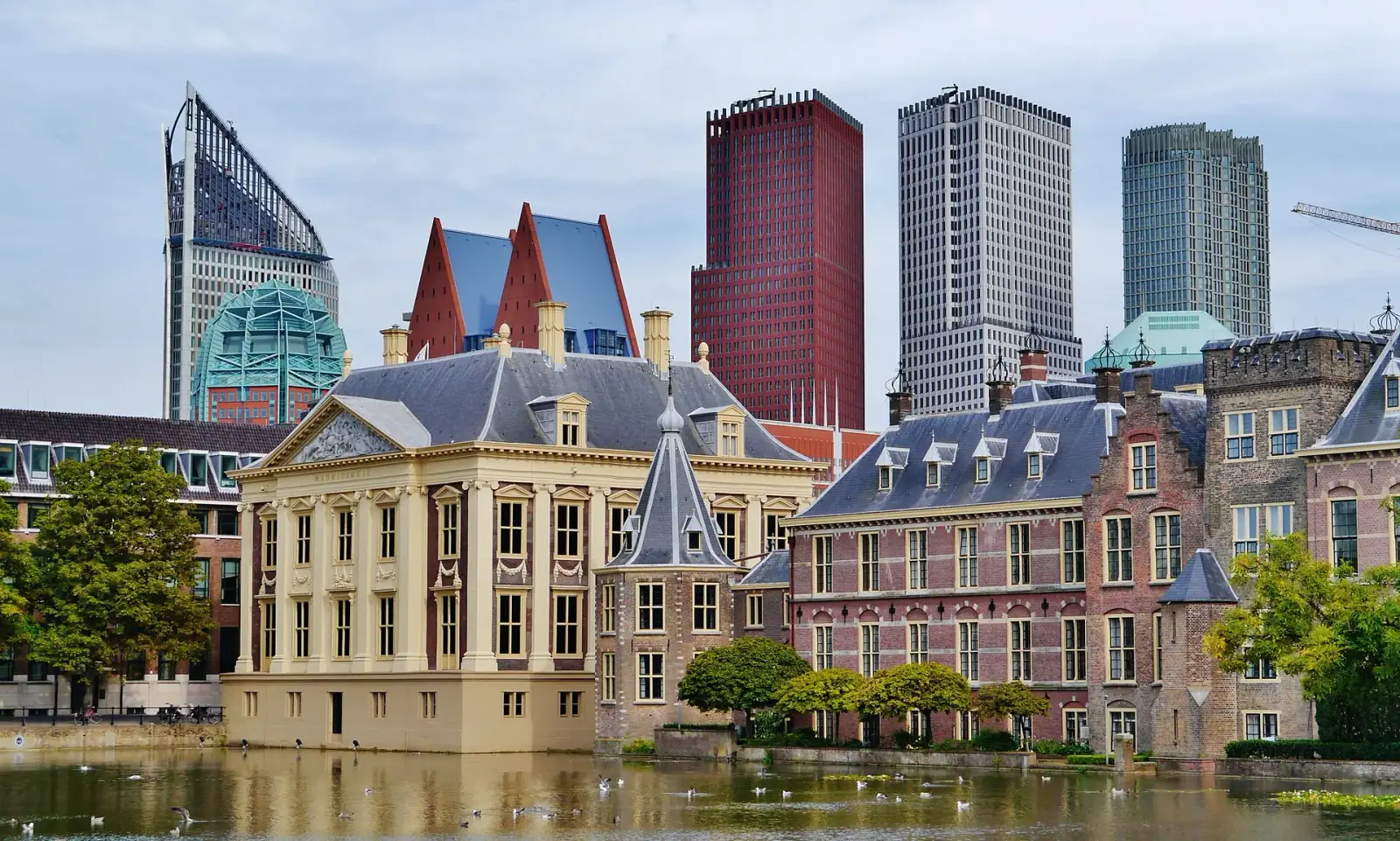
The Hague sits in the same expensive bracket as the rest of the Randstad, and its housing market is genuinely tight. Budget carefully, because rent will dominate your spending. All prices below are in US dollars, converted from euro prices, so treat them as ballpark.
- Rent, one-bedroom central: roughly $1,600 to $1,800 per month. Furnished flats in the center or near the coast sit at the top of that range.
- Rent, one-bedroom cheaper area: around $1,250 to $1,400 outside the center, in districts like Laak or the outer neighborhoods.
- Utilities: about $230 to $280 per month for an average apartment, including heating, electricity, water, and internet.
- Groceries: roughly $340 to $460 per month for one person shopping at Albert Heijn, Jumbo, or the cheaper Lidl and Dirk.
- Eating out: a basic restaurant meal runs about $23; a mid-range dinner for two is around $91. A coffee is $4 to $5.
- Coworking hot desk: a day pass is roughly $23 to $28; monthly memberships typically land between $170 and $280.
- Local transport: a monthly public transport pass is around $100, though many residents pay per ride instead.
A realistic solo monthly total, rent included, lands between $2,500 and $3,400. Sharing a flat or living outside the center pulls the lower end down considerably.
Where to Work
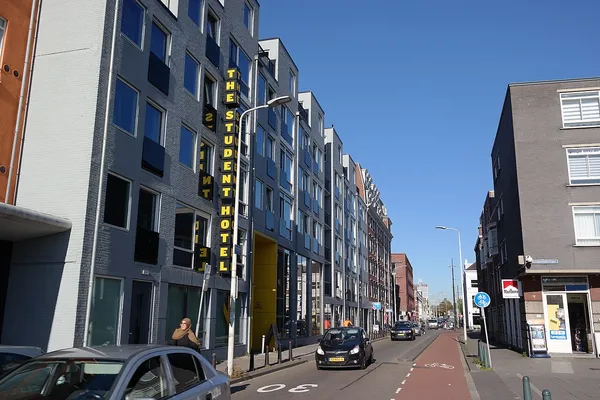
The Hague has a solid, if compact, coworking scene aimed at its large international and expat crowd. The Social Hub (formerly The Student Hotel) offers day passes and memberships alongside a cafe, gym, and events, and it is popular with visiting nomads. The Hague Tech near Laan van NOI runs flex desks, dedicated desks, and private offices with 24/7 access, good coffee, and a genuine tech community. Humanity Hub focuses on the international, NGO, and impact sector that defines the city. Chains like Regus, HNK, and Spaces cover more conventional hot-desking, and Young Workspaces on Zeestraat is central and expat-friendly.
Cafe-work culture is decent but not limitless. Plenty of cafes near the center and in Zeeheldenkwartier tolerate laptops during off-peak hours, though busy lunch periods can feel less welcoming. WiFi across the Netherlands is fast and reliable, both in cafes and in most rentals, so connectivity is rarely your bottleneck. If you need guaranteed focus and video-call quality, a coworking membership is the safer bet.
Getting Around
The Hague runs on trams and buses operated by HTM, and the network is extensive and punctual. You tap on and off with an OV-pas or OV-chipkaart (about $7 to $8.50 for the card itself), or you can pay with a contactless bank card and phone on most services. A day ticket for unlimited HTM travel is around $10. Trams reach almost everywhere you will want to go, including out to Scheveningen beach.
That said, cycling is the default. The city is flat, bike lanes are everywhere, and a used bike or a monthly rental gets you across town faster than transit for most trips. The center is very walkable, with short distances between the main districts.
Intercity trains make regional travel effortless. Rotterdam is about 25 minutes away, Amsterdam roughly 45 to 50 minutes (tickets around $17 to $19), and Delft is barely 10 minutes. For airports, Schiphol (AMS) is a direct train of about 30 minutes and roughly $13 from Den Haag Centraal, which makes it the practical hub for international flights. Rotterdam The Hague Airport (RTM) is closer geographically but smaller, handles mostly European routes, and is reached by bus plus metro or a short taxi.
Sorting transport? Book an airport transfer, or compare car rental on Auto Europe and QEEQ.
Visas and Staying Long-Term
The Netherlands is in the Schengen Area, so most non-EU visitors, including US, UK, Canadian, and Australian citizens, can stay 90 days within any rolling 180-day period visa-free. Those days count across the entire Schengen zone, not just the Netherlands.
There is no general digital nomad visa here. To stay longer, most nationalities need the self-employed residence permit, which runs through the IND scoring system and is not easy. The major exception is for US citizens, who can use the Dutch-American Friendship Treaty (DAFT). Under DAFT you register a business with the Dutch Chamber of Commerce and deposit a minimum of $5,100 into a Dutch business account. In return you get a self-employed residence permit valid for two years, renewable for five if the investment stays in place and the business is active. Your spouse and minor children can join, and the spouse can work freely.
Best Time to Visit
The Hague has a maritime climate that is mild but grey and wet for much of the year. Winters are not brutally cold, but they are dark, damp, and windy, especially near the coast, and short daylight hours can wear on you. If steady sunlight matters for your mood or your work, winter here is a hard sell.
The strongest window for remote work is late spring through early autumn, roughly May to September. Summers are pleasantly mild rather than hot, the beach at Scheveningen comes alive, terraces fill up, and long evenings make it easy to balance work with a life outside. June and September in particular offer good weather with fewer crowds than peak July and August.
Pros and Cons
Pros:
- A genuinely international city with a huge expat and diplomatic community, so English is widely spoken and it is easy to plug in.
- The coast: Scheveningen beach and dunes are a tram ride from the center, rare among European capital-tier cities.
- Excellent transit and rail links, with Rotterdam, Amsterdam, and Schiphol all within easy reach.
- Fast, reliable internet everywhere and a calmer, more livable pace than Amsterdam.
- The DAFT route gives US citizens a realistic long-stay option.
Cons:
- Housing is tight and competitive, and short-term or furnished rentals are scarce and pricey.
- High overall cost of living, driven mostly by rent.
- Grey, wet, windy weather for a large part of the year.
- Quieter and more buttoned-up than Amsterdam, with a smaller nightlife and nomad social scene.
- No general nomad visa, so long stays require real bureaucracy unless you are American.
Who The Hague Is Best For
The Hague suits nomads who want a calm, orderly, English-friendly base rather than a party or a constant social churn. It works well if you value the beach and green space, plan to stay a while (especially US citizens eligible for DAFT), and want easy day trips across the Randstad. Professionals in policy, law, NGOs, and international organizations will find a natural community here.
You should probably skip it if you need cheap rent, guaranteed sun, a large and easy-to-crack nomad social scene, or a short flexible stay in a furnished flat. In those cases, a cheaper Southern European city, or even nearby Rotterdam with its more dynamic feel, may serve you better.