Cost of Living in Hangzhou
Where this figure comes from. No cost survey covers Hangzhou, so the $1,400 a month above is our own estimate rather than a measurement. On 416 of our 999 city guides the figure is built from a published Numbeo basket, a one-bedroom rent in the centre plus one person's monthly costs without rent, converted to USD; this city is not one of them. How we source everything.
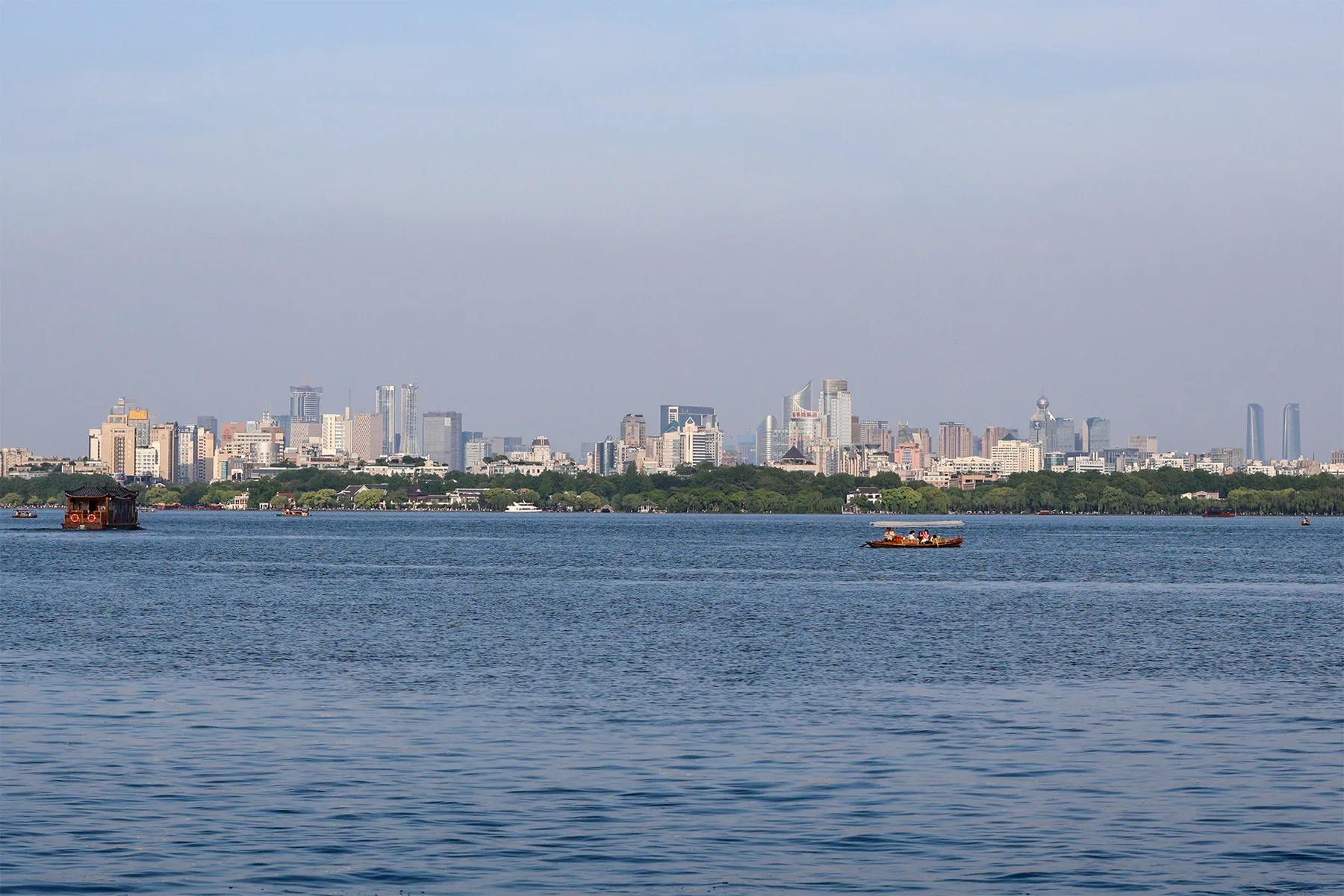
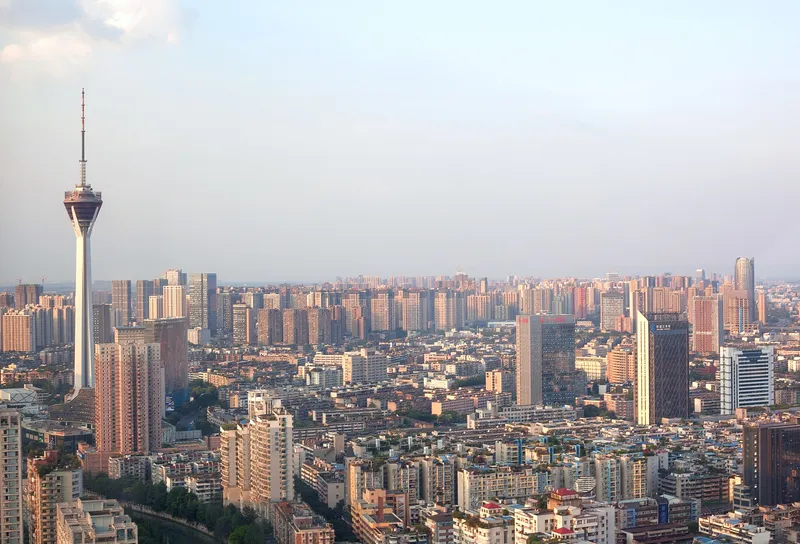
Expect roughly $1,400/month as a solo remote worker in Hangzhou (editorial estimates in USD, converted from RMB). As a prosperous tech city, it costs more than inland hubs like Chengdu or Xian but stays cheaper than Shanghai. A one-bed apartment in a central district near West Lake runs about $500-700, dropping to $330-480 further out along a metro line. Food spans cheap to refined: a noodle or dumpling meal is $2-4, while a mid-range restaurant dinner for one is $10-16. Cooking from local markets keeps groceries near $200-280. The excellent metro costs about $0.30-0.85 a ride, so transport rarely tops $30/month. Coworking hot-desks run around $110-180/month, reflecting the city's strong startup scene, though cafes are a popular free-ish alternative for a $4-5 coffee. Utilities and fast fibre add $50-75. Hangzhou offers a high quality of life and scenic surroundings at a mid-tier Chinese price. Technology salaries here set the rent level rather than the local average wage, which is why a city this size costs what it does, and the long hours that go with those jobs shape the evenings in the districts where those people live. It is a young city in the way a company town is young.
Where to Work in Hangzhou
Hangzhou is a genuine tech hub, home to Alibaba, so it has one of China's more developed coworking and startup ecosystems, with hot-desks broadly $110-180/month concentrated in the Binjiang, Future Sci-Tech City, and West Lake districts. Fibre broadband and 5G are fast and reliable, and mobile data is cheap and fast. The Great Firewall still applies: Google, Gmail, WhatsApp, Instagram, and many Western sites are blocked, so set up and test a solid VPN before arriving, keep a backup, and verify stability before video calls. WeChat and Alipay (the latter born in Hangzhou) run daily payments and services, so configure them early. Cafe-work culture is strong, with an abundant independent coffee scene around West Lake and the university areas, and the tech workforce means laptop-friendly venues are easy to find. English is more common here than in inland cities but still limited, so translation apps remain useful. The startup density makes networking and finding fellow remote workers easier.
Getting Around Hangzhou
Hangzhou has a modern, extensive, and cheap metro system, expanded significantly around the 2023 Asian Games, with fares around $0.30-0.85 that reach the airport, high-speed rail stations, and West Lake area. The lakeside districts are scenic and highly walkable, and cycling around West Lake is a pleasure, aided by ubiquitous bike-share. The city is large and sprawling, so the metro plus Didi (China's Uber) covers longer trips; Didi is easy once linked to WeChat or Alipay, with typical rides $3-7. You do not need a car. Hangzhou Xiaoshan International Airport handles extensive domestic and a good range of international flights and connects to the city by metro and airport buses. High-speed rail puts Shanghai under an hour away and Suzhou, Nanjing, and beyond within easy reach, making Hangzhou an excellent base for exploring the Yangtze Delta. Between metro, Didi, and bikes, daily mobility is cheap and efficient. Day trips cost almost nothing in time: the tea villages of Longjing and Meijiawu are a short bus ride into the tea country behind the lake, and the Qiantang tidal bore, at its strongest around the Mid-Autumn Festival, is watched from Yanguan town in Haining, about an hour away.
Sorting transport? Book an airport transfer, or compare car rental on Auto Europe and QEEQ.
Visas for Hangzhou
China broadened visa-free access considerably in 2024-2025, granting unilateral visa-free entry of up to 30 days to passport holders from many countries, including much of the EU, the UK and Canada, plus Australia, New Zealand, Japan, and more. For US citizens Hangzhou still requires a visa, or the transit exemption below, because the United States is not on that list. A separate transit visa-free policy lets eligible travelers stay up to 240 hours (10 days) when transiting to a third country, and Hangzhou is a covered port of entry via its international airport. There is no dedicated digital nomad visa, and these entries are officially for tourism, business, or transit rather than employment, so remote work for an overseas employer sits in a grey area best handled discreetly. Longer stays require an appropriate visa (M, F, or similar) obtained in advance from a Chinese embassy or consulate.
Best Time to Visit Hangzhou
Hangzhou has a humid subtropical climate with hot, sticky summers and cool, damp winters, so the shoulder seasons are clearly best. Aim for spring (late March-May), when West Lake is at its most beautiful with blossoms and mild 60-75F days, or autumn (late September-November), which brings crisp, clear, comfortable weather and the famous osmanthus blooms. Summers (June-August) are the season to avoid for comfort: high heat in the upper 80s to mid-90s F, oppressive humidity, and the June-July plum rains that bring long stretches of drizzle. Winters (December-February) are not severely cold but are chilly, grey, and damp, with highs around 46F and inadequate indoor heating in many buildings, making them feel colder than the numbers suggest. Occasional summer typhoon remnants can bring heavy rain. For the postcard version of Hangzhou and the most pleasant working weather, target April-May or October-November. The tea picked in the hills west of the lake before the spring festival of the dead is the most expensive in the country by weight, and the few weeks of that harvest are when the villages up there are worth the trip. Afterwards the price collapses and the crowds go with it.
Pros and Cons of Hangzhou
Pros: Hangzhou pairs genuine natural beauty, West Lake and surrounding tea hills, with a modern, prosperous tech-city infrastructure. It is safe, has an excellent cheap metro, easy ride-hailing, and a strong startup and coworking scene thanks to Alibaba, plus slightly more English and a more developed cafe culture than inland cities. Shanghai is under an hour away by high-speed rail. Quality of life is high for the price. Cons: it costs more than inland Chinese hubs, though still below Shanghai. The Great Firewall means a VPN is essential for Western services and can be unreliable. Summers are hot and oppressively humid with a long rainy plum season, and winters are damp and poorly heated indoors. English is still limited outside tech and tourist circles, daily life runs on Chinese apps, and long-stay visas remain awkward. West Lake gets very crowded with domestic tourists on holidays. Many of the museums around the lake, the China National Tea Museum among them, are free to enter, which makes for a cheap rainy-day plan in a city that gets a lot of rain.
Who Hangzhou Is For
Natural beauty and a modern tech-city feel, without the full cost or intensity of Shanghai, is the offer here, and it finds its takers. West Lake, the tea plantations and the cycling paths are the scenery, and behind them sits a genuine startup and coworking ecosystem, which makes meeting people and finding other remote workers considerably easier than in most Chinese cities. The strong cafe culture, slightly better English, and fast rail link to Shanghai make it a comfortable, well-connected base for the Yangtze Delta. It fits professionals and entrepreneurs drawn to China's tech scene, couples wanting a livable and photogenic city, and those who want local authenticity with more polish than inland hubs offer. It is less ideal for anyone on a rock-bottom budget, those needing seamless Western connectivity, or people who wilt in humid subtropical summers. Come to Hangzhou for the blend of scenery, tech energy, and quality of life; budget a bit more and bring a reliable VPN. For anyone who does wilt in the heat, Moganshan, a bamboo-covered hill resort about 90 minutes north, is where people from the big cities of the region have gone to escape the summer for more than a century.