Cost of Living in Namur
Where this figure comes from. No cost survey covers Namur, so the $1,650 a month above is our own estimate rather than a measurement. On 416 of our 999 city guides the figure is built from a published Numbeo basket, a one-bedroom rent in the centre plus one person's monthly costs without rent, converted to USD; this city is not one of them. How we source everything.
Budget around $1,650 a month, which makes Namur cheaper than Brussels and considerably cheaper than Luxembourg an hour and a half east. A one-bedroom runs roughly $750 to $1,100, with the streets near the confluence and the old town at the top. Groceries are ordinary Belgian prices, which are moderate by western European standards. Eating out is reasonable and Wallonia's beer, cheese and charcuterie are all good and local. Utilities run through a damp rather than a cold winter. Belgium's tax and social contributions are among the highest in Europe, which matters if you are employed here rather than remotely. Belgian leases come with an etat des lieux, a formal inventory of the property's condition drawn up and signed at entry and checked against on departure, and skipping it leaves a tenant liable for whatever was already broken. Rents are indexed annually to inflation by a published formula, so the figure in the contract is not the figure in year three. Registration of the lease itself is the landlord's legal duty and protects the tenant, so it is worth confirming it happened.
Where to Work in Namur
Connectivity is good. Belgium has extensive fibre and cable coverage, with comprehensive mobile service and reliable power, and Namur is well provided as a regional capital. There is a small coworking presence, helped by the university and by the parliament of Wallonia being based here. The time zone is central European, so European work is straightforward and the American afternoon is reachable. The practical friction in Belgium is administrative rather than technical: registering with the commune is a genuine requirement within days of arrival and the process is thorough rather than quick. Anyone going self-employed here meets the statut d'independant and the social insurance fund that comes with it, where quarterly contributions are provisional and reconciled against real income two years later, which produces a bill people are genuinely unprepared for in their third year. Budget for it from the start. Hosting Wallonia's government also makes the professional economy administrative rather than commercial, so consultancies and public bodies dominate and there is little startup culture to plug into.
Getting Around Namur
Namur is compact and walkable, laid out where the Sambre meets the Meuse with the citadel on the ridge above and a cable car up to it. Buses cover the rest and cycling along both rivers is good, with the RAVeL network of former railway and towpath routes running for hundreds of kilometres from here. Trains reach Brussels in about an hour, Luxembourg in ninety minutes and Liege in forty five, which makes this an unusually well connected small city. Brussels Airport is around ninety minutes by direct train. Anyone cycling the RAVeL should know that the network runs on disused railway lines and canal towpaths, which means it is almost entirely flat and separated from traffic. Belgian rail runs on a dense network and season tickets are the normal way to use it, which changes the arithmetic of living here and working in Brussels or Luxembourg. The citadel's cable car reopened in 2021 after decades without one. Parking in the centre is metered and the old streets are narrow enough that most residents who own a car keep it outside the ring and walk in.
Sorting transport? Book an airport transfer, or compare car rental on Auto Europe and QEEQ.
Visas for Namur
Belgium is a member of the European Union and the Schengen area, so European Union and EEA citizens may live and work here without a permit, though registration with the commune within eight days of arrival is a legal requirement rather than a formality. Everyone else needs a Schengen visa for short stays or a residence permit for longer ones, with the single permit combining work and residence for most employment routes. There is no digital nomad visa. Belgian administration is layered across federal, regional and communal levels, and the commune is where most practical business happens. The commune, not the country, is where residence actually happens. Registration triggers a visit from the local police to confirm you live where you say you do, which is standard practice and surprises almost everyone, and only afterwards does the identity card follow. Belgium recognises the single permit for most employment, but the application is lodged by the employer with the region, in this case Wallonia, rather than federally, so the process differs from Flanders and Brussels in ways that matter. Budget flights from Morocco, Turkey and Britain land at Charleroi, forty minutes down the road, and that terminal rather than anywhere in Namur is your outer Schengen frontier, where officers scan fingers and face into the Entry/Exit System on a first visit.
Best Time to Visit Namur
May to September is the season, with July around twenty three degrees and the rivers and the citadel at their best. Belgian summers are unreliable and rain is possible in every month, which locals accept. April and October are quiet and often pleasant. Winter from November to March is grey, damp and dark rather than cold, rarely freezing hard. The Fetes de Wallonie in September fill the city for several days and are the biggest event in the region, and Namur's Christmas market runs through December. The citadel's underground tunnels stay cool through the summer and are among the few genuinely comfortable places in the city during a heatwave. The rivers are a seasonal risk as well as the city's setting: the Meuse basin flooded catastrophically in July 2021, with the worst damage further east around Liege and Verviers, and flood defences and insurance have been live topics in Wallonia since. Summer heatwaves are becoming more frequent in a housing stock built for damp cold rather than heat. The walking and cycling season along both valleys runs comfortably from April into October.
Pros and Cons of Namur
Namur is a genuinely handsome small city where the Sambre and the Meuse meet under a citadel fortified since Roman times, with a walkable centre, excellent rail connections to Brussels, Luxembourg and Germany, and Wallonia's hills and the Ardennes beginning immediately to the south of the city. Costs are well below Brussels. The weather is grey for half the year, the administration is French-speaking and expects French in return, and a city this size cannot match the cultural offer of Brussels, which is an hour off by train. Namur is also the seat of the Walloon Parliament and government, which gives a city of a hundred and ten thousand a political weight it would not otherwise carry. Language politics are the background hum of Belgian life and they are not merely symbolic here: Wallonia and Flanders run separate administrations for education, employment and much else, government formation regularly takes months, and a French speaker in Namur and a Dutch speaker in Ghent live under noticeably different systems. Healthcare is excellent and works through a mutuelle, a health insurance fund you must join and choose between, which is the one piece of Belgian bureaucracy nobody should postpone.
Who Namur Is For
French speakers after a Belgian base outside Brussels with the rail links to make that workable, and anyone whose work spans Europe. It suits cyclists particularly, since the RAVeL network and the Meuse valley are genuinely first rate. Namur is the seat of Wallonia's government, which gives a town this size institutions it would not otherwise have. Wallonia operates in French and the commune office will not switch to English for a newcomer's convenience, so the language is a requirement. The other limit is scale: a large city's choice in restaurants, work or company is simply not available here. The Ardennes begin just outside the city. The Meuse valley to the south and the caves at Han-sur-Lesse both sit inside an hour by road, which puts a weekend's worth of country on the doorstep. The Brussels question decides it for most people. Namur is an hour away by train, so anyone needing the capital occasionally gets a far better city for the money, while anyone needing it daily will tire of the commute before the saving justifies it. The evenings are quiet, and that is a permanent condition rather than a seasonal one, which some people want and others cannot live with. Anyone comparing Wallonian cities will find Liege larger and grittier and Louvain-la-Neuve younger and stranger.
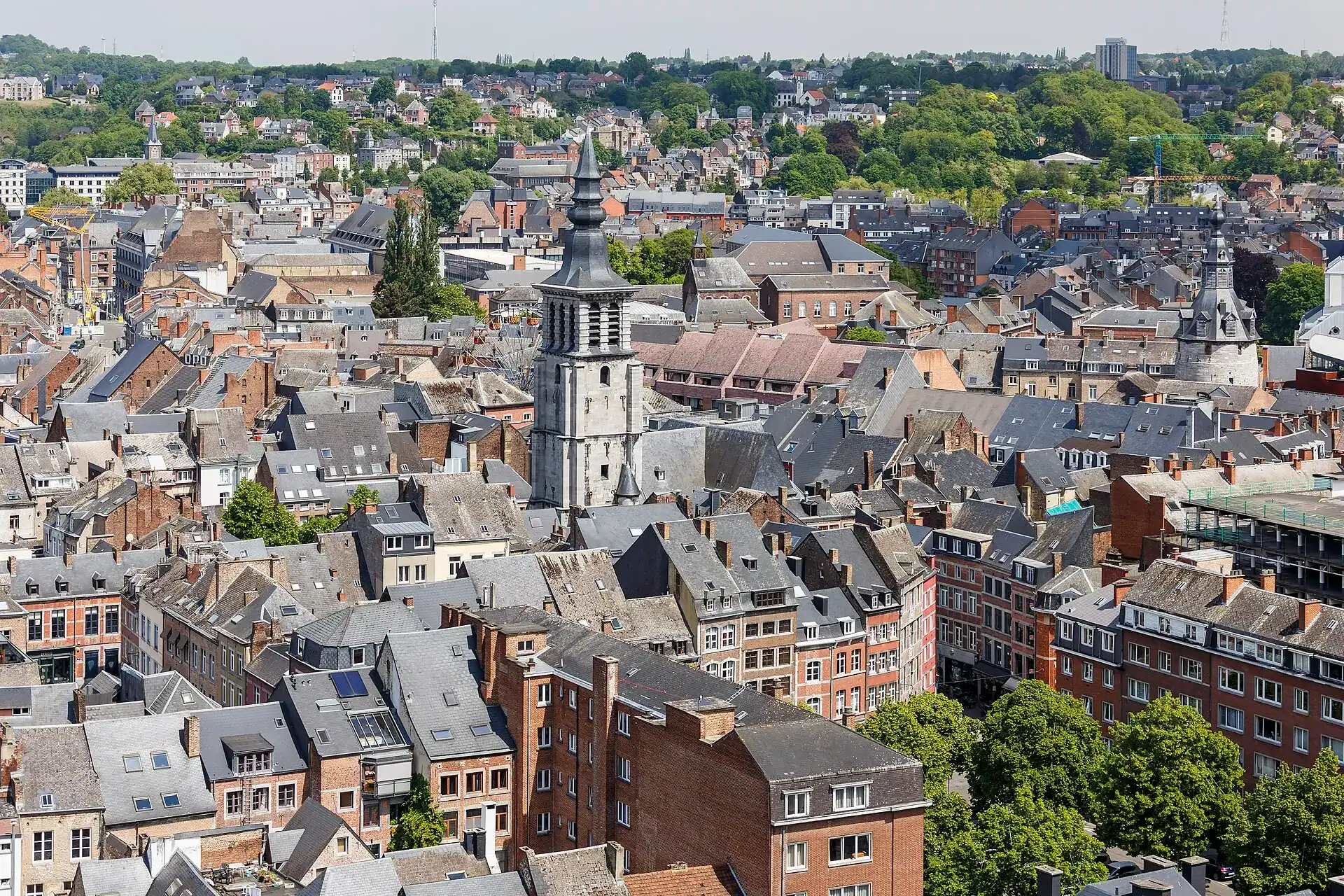 Photo: CEphoto, Uwe Aranas / Wikimedia Commons (CC BY-SA 3.0)