Cost of Living in Chengdu
Real market data
Source: Numbeo · September 2026
$750/moSolo nomad1-bed centre + living costs
$970/moCoupleshared 1-bed + costs
$530/moLean / localcheaper area + costs
- 1-bed rent, city centre$480¥3,258
- 1-bed rent, outside centre$260¥1,740
- Monthly costs excl. rent (1 person)$270¥1,830
- Meal, inexpensive restaurant$3¥20
- Monthly transit pass$24¥165
- Buy price, per m² (centre)$3,740¥25,294
Prices are from Numbeo (September 2026), converted to USD at $1 = ¥6.76 (01 Aug 2026). The monthly living-costs figure is our transparent one-person basket, groceries, a few meals out, utilities, phone, internet, transport and essentials, priced from those figures. Solo adds central rent; couple and lean are estimates from the same numbers.
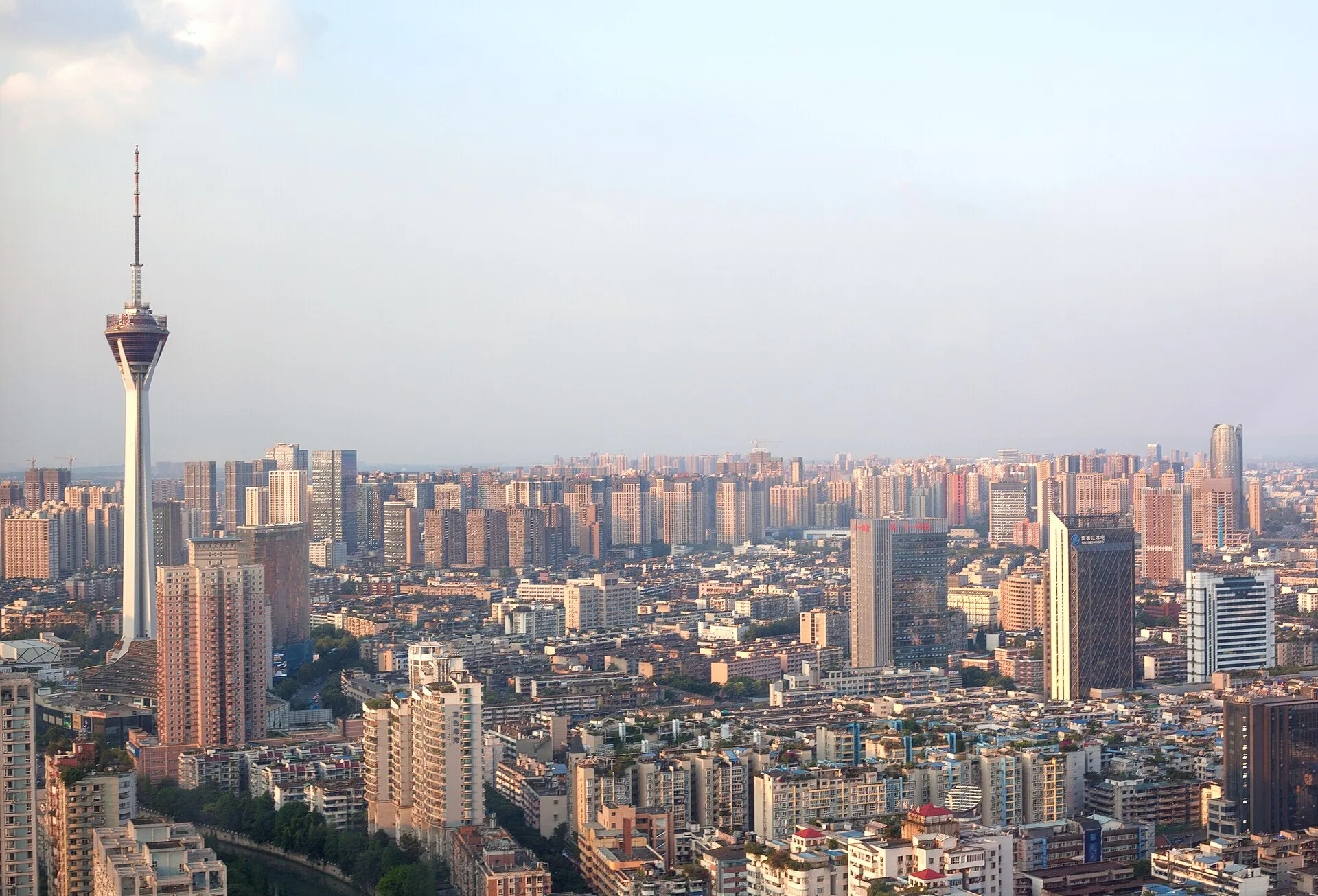
Plan on roughly $750/month as a solo remote worker on the Numbeo basket above (the line items below are editorial estimates in USD, converted from RMB). A modern one-bed in a central district like Jinjiang or Wuhou runs about $400-550, dropping to $260-380 a few metro stops out. Chengdu is famously relaxed and cheap: a bowl of noodles or a street breakfast is $1.50-3, and a full hotpot feast with friends lands around $12-18 a head. Cooking from wet markets and supermarkets keeps groceries near $180-250. The metro is astonishingly cheap at roughly $0.30-0.85 a ride, so monthly transport rarely tops $30. Coworking hot-desks run about $90-150/month, though many nomads work from the city's dense cafe scene for the price of a $4 coffee. Utilities and fast fibre broadband add $40-70. Overall, Chengdu delivers a big-city lifestyle at a genuinely low cost, with food quality far above what the price suggests. This city falls on the southern side of the line that decides which half of the country gets municipal winter heating, so it does not get any, and a damp January indoors is colder than the thermometer suggests. Air conditioning units run in reverse to compensate, and that is what pushes the winter electricity bill up.
Where to Work in Chengdu
Chengdu has a growing coworking scene, with hot-desks broadly $90-150/month concentrated in the central and high-tech (Tianfu) districts, plus plentiful cafes that tolerate all-day laptop work. Fibre broadband and 5G are fast and reliable, and mobile data is cheap and abundant. The critical caveat is the Great Firewall: Google, Gmail, WhatsApp, Instagram, and many Western sites are blocked, so you must install and test a reputable VPN before you arrive, since VPN sites themselves are hard to reach once you are in-country. Have a backup VPN too, as reliability fluctuates. Chinese super-apps (WeChat, Alipay) run everything from payments to taxis, so set those up early. Cafe-work culture is strong and social; independent coffee shops in Jinjiang and around the universities are welcoming to remote workers. Coworking staff rarely speak much English, so translation apps help. For video calls, always confirm your VPN is stable first. Video games are the industry this city is quietly known for inside the country, with development studios employing tens of thousands and a supporting trade of art and audio contractors around them. If your work is in that field, this is one of the few places outside the coastal cities where the people to talk to are actually here.
Getting Around Chengdu
Chengdu has one of China's best and cheapest metro systems, with a dozen-plus lines, clean modern trains, and fares around $0.30-0.85 that reach almost everywhere you would want to go, including both airports. The city is broadly flat and increasingly walkable in central districts, though it sprawls, so combine walking with the metro. Didi (China's Uber) is ubiquitous, easy to use through WeChat or Alipay once linked, and cheap: cross-town rides are often $3-7. You do not need a car. Bike-share is everywhere for short hops. Chengdu Tianfu International Airport (opened 2021) handles growing international routes, while the older Shuangliu Airport covers domestic and regional flights; both connect by metro or a short Didi. High-speed rail links Chengdu to Chongqing, Xian, and beyond in a few hours. Between the metro, Didi, and bikes, getting around is one of the easiest and cheapest parts of Chengdu life.
Sorting transport? Book an airport transfer, or compare car rental on Auto Europe and QEEQ.
Visas for Chengdu
China has significantly expanded visa-free access in 2024-2025, granting unilateral visa-free entry of up to 30 days to passport holders from many countries, including much of the EU, the UK and Canada, plus Australia, New Zealand, Japan, and others. Americans are not covered, so a US passport holder heading to Chengdu needs a visa or the transit exemption below. Separately, a transit visa-free policy now allows eligible travelers from many nationalities to stay up to 240 hours (10 days) when passing through to a third country, and Chengdu is a covered entry point. There is no dedicated digital nomad visa, and technically these entries are for tourism, business, or transit rather than employment, so working remotely for a foreign employer sits in a grey area travelers should be discreet about. For longer stays you would need a proper visa (M, F, or similar) arranged in advance.
Best Time to Visit Chengdu
Chengdu sits in a humid subtropical basin known for grey, overcast skies and relatively little direct sun year-round. The best windows are spring (March-May) and autumn (September-November), when temperatures are mild, roughly 60-77F, and the humidity is more bearable. Summers (June-August) are hot, sticky, and humid with highs in the upper 80s to low 90s F and frequent rain, though the basin traps haze and it rarely feels crisp. Winters (December-February) are not freezing but are damp, chilly, and famously gloomy, with highs around 50F and persistent cloud that many find dreary; buildings often lack good heating. If clear skies and comfort matter, target April, May, October, or early November. Whatever the season, expect more cloud than sun; Chengdu is not a place you come for bright weather, but the mild temperatures and lush greenery make spring and autumn genuinely pleasant. Cubs are born at the breeding centre north of the city through the summer and are out to be seen from the autumn, which is when a visit repays the early start it demands. The parks fill with bamboo chairs and tea at any temperature, and the habit of giving a whole afternoon to one is what people mean about the pace here.
Pros and Cons of Chengdu
Pros: Chengdu is cheap, safe, and famously laid-back, with a slower pace than Beijing or Shanghai. The food, especially Sichuan hotpot and street snacks, is world-class and inexpensive. The metro is superb and dirt-cheap, ride-hailing is easy, and there is a real cafe and teahouse culture, plus pandas and nearby mountains for weekends. A growing expat and creative scene helps. Cons: the Great Firewall means a VPN is essential for Google, WhatsApp, and most Western sites, and it is not always reliable. The language barrier is significant, with limited English outside tourist and tech circles, so translation apps and WeChat/Alipay setup are must-dos. The weather is often grey and humid with little sun, winters are damp and cold indoors, and air quality can dip. Payments and daily life run entirely on Chinese apps, which takes adjustment. Bureaucracy and long-stay visas remain awkward.
Who Chengdu Is For
Adventurous, budget-conscious arrivals who want a deeply local Chinese city rather than a polished expat bubble are the people who last here. Food above almost everything else, a relaxed pace, and a willingness to get through a real language barrier with translation apps and patience: that combination describes who does well here. The low cost and excellent transit make it great for stretching a modest income while living well, and the cafe and teahouse culture rewards those happy to work socially in public. It fits solo travelers, foodies, and the culturally curious who see the VPN and app setup as a solvable hurdle rather than a dealbreaker. It is less suited to anyone who needs seamless access to Western services, a large English-speaking community, reliable sunshine, or an easy long-term visa path. Come for the food, the value, and the mellow vibe; stay flexible on connectivity and communication.