Cost of Living in Gdańsk
Real market data
Source: Numbeo · August 2026
$1,750/moSolo nomad1-bed centre + living costs
$2,330/moCoupleshared 1-bed + costs
$1,520/moLean / localcheaper area + costs
- 1-bed rent, city centre$1,040zł3,874
- 1-bed rent, outside centre$800zł2,986
- Monthly costs excl. rent (1 person)$720zł2,686
- Meal, inexpensive restaurant$12zł46
- Monthly transit pass$32zł119
- Buy price, per m² (centre)$5,660zł21,166
Prices are from Numbeo (August 2026), converted to USD at $1 = zł3.74 (01 Aug 2026). The monthly living-costs figure is our transparent one-person basket, groceries, a few meals out, utilities, phone, internet, transport and essentials, priced from those figures. Solo adds central rent; couple and lean are estimates from the same numbers.
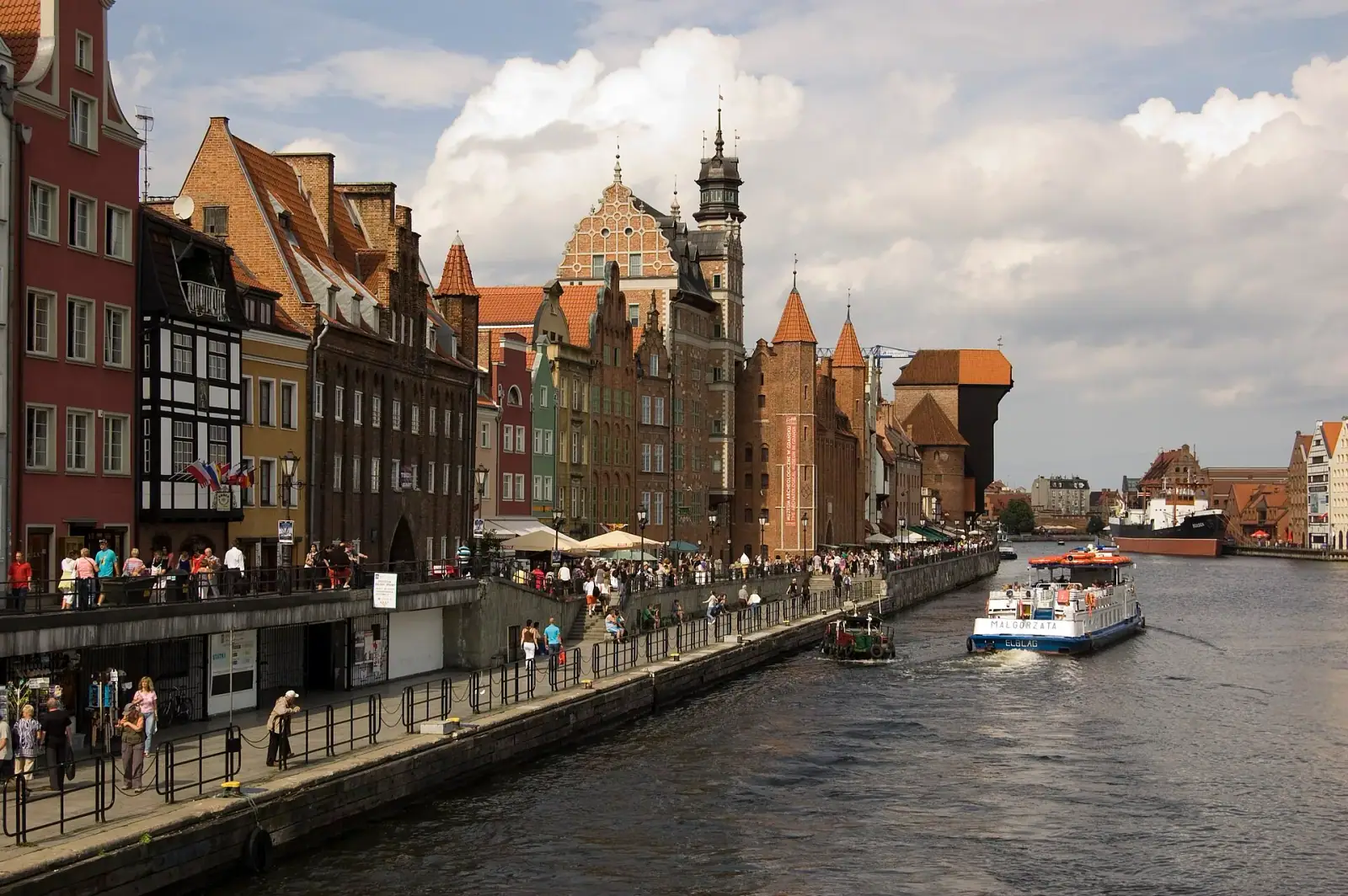
Gdańsk sits at the affordable end of Polish cities without being rock-bottom cheap. A central one-bedroom apartment in the Old Town or Main City runs roughly $800-1,020 per month. Move out to Wrzeszcz or Oliwa and you can find the same size for $590-750. Groceries from a local Biedronka or Lidl will cost a single person around $160-240 per month. Eating out is cheap: a lunch at a bar mleczny (milk bar) costs $5.50-8, a sit-down dinner for one at a mid-range spot runs $13-21. A hot-desk at O4 Coworking costs around $135-215 per month. Public transport monthly pass is about $29. All in, a comfortable solo budget lands between $1,340-2,000 per month, depending on your housing and dining habits. The nearer of those two districts is the city's working neighbourhood: a grid of tenement streets around the Grunwaldzka avenue and the Galeria Baltycka mall, with a station on the SKM line that reaches the Main Town in a few minutes.
Where to Work
The coworking scene is small but functional. O4 Coworking in Oliwa (inside the Olivia Business Centre) is the standout option: 2,500 square meters, fast fiber, dog-friendly, and a lively community. It regularly hosts networking events and has a cafe on site. Chilliflex Argon on Grunwaldzka in Oliwa is a more corporate-feeling alternative with solid infrastructure and multiple conference rooms. GOOD SPACE in Wrzeszcz offers smaller, more intimate settings in period buildings starting around $225 per month.
Cafe-working is genuinely viable here. Gdańska Palarnia Kawy in Old Town, Kawiarnia Literacka in Main Town, and Ferber Bread and Wine in Old Town all have reliable WiFi, plentiful power sockets, and staff who tolerate laptop workers. Expect to buy a coffee or cake every couple of hours to keep your spot. Residential and coworking internet is largely fiber. Mobile data is cheap: 10 GB costs around $8 per month on most Polish SIM plans.
Getting Around
The Old Town and Main City are compact and very walkable. You can reach the majority of restaurants, cafes, and tourist sights on foot within 20 minutes. Beyond the centre, Gdańsk has an extensive tram and bus network that covers Wrzeszcz, Oliwa, and the beach areas in Sopot and Gdynia. A single ticket costs around $1 depending on journey time; a monthly pass for the whole Tricity network is roughly $59. Cycling is practical: Gdańsk has one of the better cycling path networks in Poland, and bike-share stations are spread across the city.
The airport (GDN) is about 12 km from the centre. The SKM commuter rail connects from Gdańsk Port Lotniczy station to Gdańsk Wrzeszcz in about 21 minutes, then you continue one more stop to Gdańsk Główny (Main Station). Trains run every 15 minutes and cost a standard city transit fare. A taxi or rideshare to the centre runs $13-19 and takes 20-35 minutes depending on traffic. For the airport, the PKM line runs from the terminal into the city's rail network, which is cheaper than a taxi and avoids the ring road at rush hour. Along the coast the SKM suburban trains are the backbone, linking the Main Town with the two neighbouring cities frequently through the day.
Sorting transport? Book an airport transfer, or compare car rental on Auto Europe and QEEQ.
Visas and Staying Long-Term
Poland is part of the Schengen Area, so most Western passport holders (US, UK, Canada, Australia, and most of the EU) can stay visa-free for up to 90 days in any 180-day rolling period across the whole Schengen zone. After 90 days you must leave. Poland does not currently offer a specific digital nomad visa. If you want to stay longer, the most practical legal route is a Type D National Visa under the freelance/self-employment category, which requires registering as a self-employed person in Poland and demonstrating sufficient income. Residence permits can extend your stay to 1-3 years. The airport has direct flights from about ten British and Irish cities, and its arrivals hall is where non-EU passengers off those flights now give their biometrics to the Entry/Exit System. The overnight Polferries crossing to Nynashamn near Stockholm works the other way, docking in Sweden without any border check, so a Swedish week still counts against the same allowance.
Best Time to Visit
Late spring and early autumn are the sweet spot for remote workers. May, June, and September give you pleasant temperatures of 15-22 degrees C, manageable crowds, and lower short-term rental prices compared to the summer peak. July and August are the warmest months (average highs around 22-24 degrees C) and the city fills with Baltic beach tourists, particularly around Sopot. Accommodation prices spike and Old Town gets crowded. Winter (November through March) is cold, grey, and often windy off the Baltic, with average highs barely above 4 degrees C. However, you get the city almost to yourself, rents drop, and indoor cafe culture is excellent. The big cultural dates fall in high summer rather than the shoulder months: the Shakespeare Festival takes over the first week of August, and St Dominic's Fair, held since 1260, fills the streets of the Main Town for three weeks across late July and August. In winter the beaches empty, but the seafront walk from Jelitkowo to the next town's pier, the longest wooden pier in Europe, remains one of the best ways to spend a clear, cold afternoon.
Pros and Cons
Pros
- Lower cost of living than Krakow or Warsaw, with good infrastructure quality
- Stunning medieval architecture and a compact, walkable city centre
- Baltic beaches within a 15-minute tram ride
- Strong English skills among younger residents and service workers
- Fast, affordable fiber internet in most apartments and coworking spaces
- Excellent food scene ranging from milk bars to Neapolitan pizza and Polish fine dining
- Tricity access: Sopot and Gdynia are easily reachable for variety
Cons
- Small digital nomad community; hard to find structured nomad meetups or events
- Cold, wet, and dark from November through March; winters can be grinding
- Limited coworking supply compared to Warsaw or Krakow
- Summer tourist crowds in Old Town can make daily life feel hectic
- No dedicated digital nomad visa; 90-day Schengen cap applies
- Public transport less frequent after 22:00
Who Gdańsk Is Best For
Gdańsk suits nomads who want a beautiful, historically rich European city without paying Krakow or Berlin prices. If you value walkable old-town living, quick beach access, solid internet, and genuinely good food, it delivers well. It also works for anyone using Poland as a base to explore the Baltic region: Kaliningrad, Vilnius, and Stockholm are all relatively accessible.
It is less suited to people who need a buzzing nomad community with regular meetups, coworking happy hours, and constant social connection. The scene is thin. It is also a tough choice for anyone planning to stay more than three months without sorting out proper paperwork. And if cold, overcast winters drain your motivation, plan around the shoulder seasons or skip it between November and March. History draws many people here, and with reason: the Second World War began at Westerplatte on the harbour mouth, the Solidarity movement was born in the shipyard, and both stories now have major museums, the Museum of the Second World War and the European Solidarity Centre, within walking distance of the Main Town.