Cost of Living in Wroclaw
Real market data
Source: Numbeo · August 2026
$1,610/moSolo nomad1-bed centre + living costs
$2,200/moCoupleshared 1-bed + costs
$1,450/moLean / localcheaper area + costs
- 1-bed rent, city centre$870zł3,259
- 1-bed rent, outside centre$710zł2,659
- Monthly costs excl. rent (1 person)$740zł2,765
- Meal, inexpensive restaurant$11zł40
- Monthly transit pass$29zł110
- Buy price, per m² (centre)$4,770zł17,853
Prices are from Numbeo (August 2026), converted to USD at $1 = zł3.74 (01 Aug 2026). The monthly living-costs figure is our transparent one-person basket, groceries, a few meals out, utilities, phone, internet, transport and essentials, priced from those figures. Solo adds central rent; couple and lean are estimates from the same numbers. The guide below quotes its own monthly range, which is a different measurement rather than a competing one: this table prices a defined basket at the figures above, while that range is a judgement about how somebody actually lives here.
Wroclaw sits comfortably below Warsaw in price and well below most Western European cities. A single nomad living centrally and eating out a few times a week typically spends between $1,200-1,740 per month. Here is what the main categories look like:
- Rent, 1BR in the centre: $800-960/month
- Rent, 1BR outside the centre: $590-800/month
- Groceries (self-catering): $160-240/month
- Eating out, budget meal: $9.50-13 per meal; mid-range dinner for two around $48-59
- Coworking hot desk: $160-375/month; day passes run $16-40
- Monthly public transport pass: $29
- Utilities (included in many furnished rentals; standalone): around $105-160/month
- Total realistic range: $1,200-1,740/month for a comfortable solo nomad lifestyle
Poland uses the zloty (PLN). Card payments are widely accepted and ATMs are easy to find. Budget-conscious nomads who cook most meals and choose accommodation outside the Old Town can get by on the lower end of that range without much sacrifice.
Where to Work
Wroclaw has a solid and growing coworking scene. Spaces like Business Link Green2Day (Szczytnicka 11, near Plac Grunwaldzki) offer corporate-grade amenities on a hot-desk membership, while CO12 on Nadodrze (ul. Lokietka 12C) draws a more creative, startup-leaning crowd of programmers, architects, and designers. CitySpace operates two locations, including one in the modern MidPoint71 complex in Krzyki. Day passes across these spaces range from $16-40, with monthly hot desks starting around $160-185 before VAT.
Cafe work is normal and accepted. FC Caffe near the University (Kuznicza 30) has fast wifi, plenty of power outlets, and is a short walk from Rynek. WUWAcafe (Tramwajowa 2) is a specialty coffee spot popular with remote workers, with reliable wifi and English-speaking staff. Most cafes and restaurants across the city offer free wifi to customers.
The wifi situation is generally good. Fiber connectivity is widespread in residential buildings, and coworking spaces reliably deliver fast, stable connections. The main watch-out is popular tourist cafes on Rynek itself during peak season, where speeds can get congested.
Getting Around
The city centre is genuinely walkable. Most of the Old Town, Srodmiescie, and Nadodrze are comfortable on foot, and the flat terrain makes cycling easy. Wroclaw's public transport network (MPK) runs 22 tram lines and over 80 bus routes, with service starting after 4am and running until around midnight. Night buses cover the main corridors hourly. A single ticket costs $1; a monthly pass is $29.
Wroclaw Copernicus Airport sits about 10 km southwest of the centre. Bus 106 connects the airport to the main train station (Dworzec Glowny) every 15-20 minutes on weekdays, for the standard public transport fare. A taxi or rideshare (Bolt, Uber) costs roughly $9.50-15 for the same trip. Journey time is around 25-35 minutes depending on traffic.
Bikes are a practical daily option. The city has a public bike-share scheme (Wroclavski Rower Miejski) with docking stations across the centre, and dedicated cycling lanes continue to expand.
Sorting transport? Book an airport transfer, or compare car rental on Auto Europe and QEEQ.
Visas and Staying Long-Term
Poland is a Schengen member. Citizens of the US, Canada, UK, Australia, and most EU countries can enter without a visa and stay up to 90 days within any 180-day period. During that window you can work remotely for a foreign employer, but you cannot be employed by a Polish company or legally freelance for Polish clients without a work permit.
Poland does not have a dedicated digital nomad visa as of mid-2026. For stays beyond 90 days, your main realistic options are:
- Type D long-stay visa: Grants up to 365 days in Poland for qualifying reasons (study, family, certain professional activities). Remote workers for foreign employers occupy a grey area here; immigration lawyers generally advise caution.
- Freelancer/self-employed route: Register as a sole proprietor (jednoosobowa dzialalnosc gospodarcza) in Poland and apply for a residence permit (Karta Pobytu). This carries Polish tax obligations but gives you a legal long-term status for 1-3 years.
- Schengen rotation: Many nomads leave for a non-Schengen country (Ukraine border, UK, Georgia) after 90 days and re-enter. This is common but carries risk if overused.
Best Time to Visit
Wroclaw has a temperate continental climate with four distinct seasons. Winters are cold (January averages around 1-4 C / 34-39 F), overcast, and prone to smog from household coal burning. Air quality in December through February can occasionally hit unhealthy levels, which is worth knowing if you have respiratory sensitivities.
The best window for remote work and overall livability is May through September. June brings the most sunshine (around 8-9 hours per day) and a busy cultural calendar. August is the warmest month, topping out around 25 C / 77 F on average. September offers warm days, thinner crowds, and lower prices on accommodation.
Spring (April-May) is pleasant but expect some rain. October stays mild and colourful before temperatures drop in November. If you visit in winter, budget extra for heating costs and check air quality forecasts on days with little wind.
Pros and Cons
Pros
- Significantly cheaper than Warsaw, Prague, or any major Western European city
- Fast internet and a solid coworking scene for a city its size
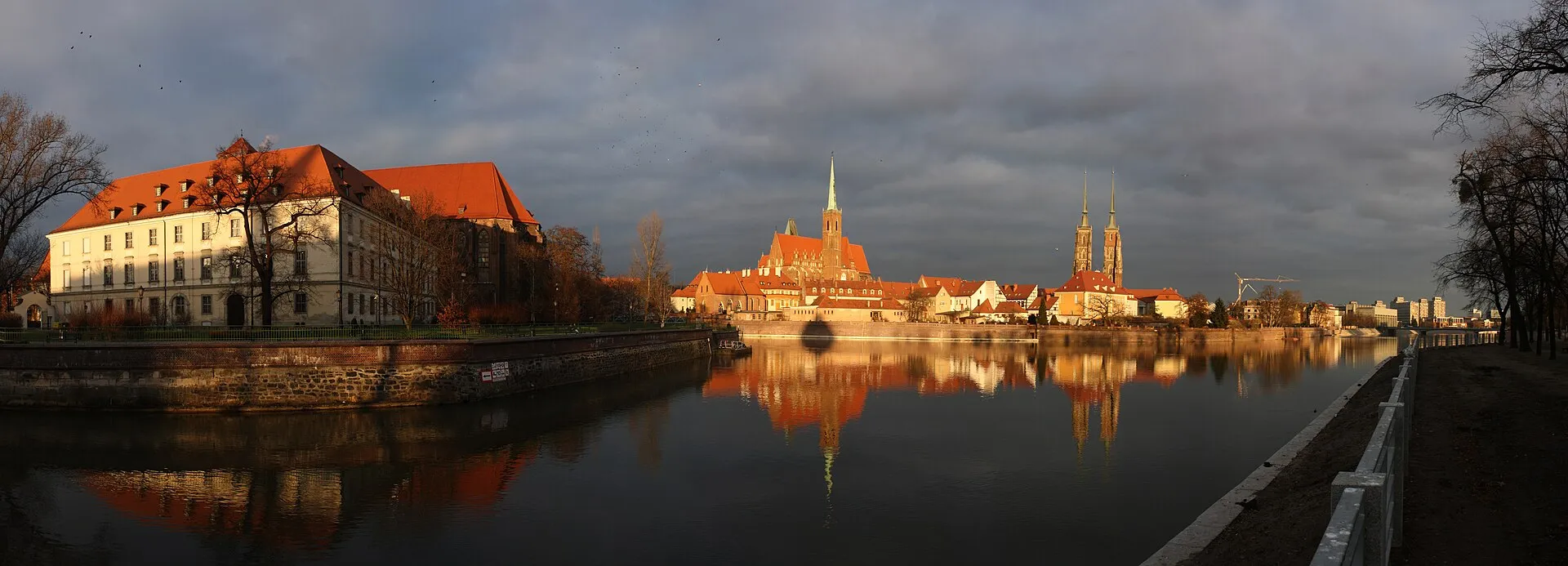
- Beautiful, well-preserved Old Town with a lively food and nightlife scene
- Excellent domestic and international flight connections from Copernicus Airport
- Safe, walkable, and bikeable city centre
- Growing expat and English-speaking community with regular social events
- Strong cafe culture that tolerates laptop workers
Cons
- Winter air quality can be genuinely poor, especially during temperature inversions
- No dedicated digital nomad visa; long stays require planning
- Polish bureaucracy is slow and often requires Polish-language documents
- Limited non-Polish food diversity outside of the centre
- Cold, dark winters with only 8 hours of daylight in December
- Tourist hotspots on Rynek get crowded and overpriced in summer
Who Wroclaw Is Best For
Wroclaw is a strong fit for nomads who want a real European city at Eastern European prices. You get historic architecture, a lively bar and restaurant scene, decent coworking infrastructure, and a growing community of expats and remote workers, all for roughly half what you would spend in Berlin or Amsterdam. It suits people who want to be based in one place for a few months, have their own work to focus on, and enjoy exploring a city that rewards curiosity beyond the main square.
It works well for EU passport holders who can stay indefinitely, or for non-EU nomads planning a 1-3 month stint within their Schengen allowance. It is a good base if you want to travel regionally: Prague, Berlin, Vienna, and Krakow are all reachable by train or budget flight.
Skip Wroclaw if you are sensitive to air pollution and planning a winter stay, if you need a large English-language freelance market, or if you find Polish bureaucracy (for anything requiring paperwork, from banking to registration) a dealbreaker. It is also not the right pick if you want year-round beach weather or a warm-weather escape.