Cost of Living in Toruń
Real market data
Source: Numbeo · August 2026
$1,130/moSolo nomad1-bed centre + living costs
$1,580/moCoupleshared 1-bed + costs
$1,040/moLean / localcheaper area + costs
- 1-bed rent, city centre$560zł2,100
- 1-bed rent, outside centre$480zł1,798
- Monthly costs excl. rent (1 person)$560zł2,110
- Meal, inexpensive restaurant$11zł40
- Monthly transit pass$26zł98
- Buy price, per m² (centre)$3,320zł12,438
Prices are from Numbeo (August 2026), converted to USD at $1 = zł3.74 (01 Aug 2026). The monthly living-costs figure is our transparent one-person basket, groceries, a few meals out, utilities, phone, internet, transport and essentials, priced from those figures. Solo adds central rent; couple and lean are estimates from the same numbers.
Toruń is one of Poland's better-value cities, noticeably cheaper than Warsaw or Krakow while offering a similar quality of life. A remote worker can expect to spend roughly $700 to $1,100 a month, depending on flat size and lifestyle. As a student town, it keeps a steady supply of affordable rentals, cheap canteen-style lunches and low-cost transport. Groceries, coffee and a night out all stretch a long way here. These figures are editorial estimates rather than fixed prices, and they shift with the season and your neighbourhood. Living in the old town costs more; the outer districts reward those willing to commute a little. The figure a landlord quotes here is rarely the figure you pay. Polish leases separate the rent from the czynsz, a monthly administration charge covering the building, the lift, the rubbish and usually the heating, and it is billed on top; on an older block it can be a substantial addition. Ask for both numbers. Heating itself is switched on and off centrally by the building rather than by the tenant, which means a cold October week before the season starts and no way to do anything about it. Electricity and internet are separate again and both are cheap.
- One-bed flat: roughly $400 to $600 a month, less further from the centre.
- Monthly groceries: around $200 to $280 for one person cooking at home.
- Casual lunch out: roughly $6 to $10 at a milk bar or student bistro.
- Local transport pass: around $20 to $30 a month for buses and trams.
Where to Work in Toruń
Toruń's compact centre keeps everything within walking distance, which suits a laptop-based routine. The old town brims with cafes serving strong coffee and, of course, local gingerbread, and many welcome lingering laptop workers outside peak lunch hours. A handful of coworking spaces and hybrid offices cluster near the centre and around the university, offering desks, fast fibre internet and meeting rooms by the day or month. The Nicolaus Copernicus University campus adds a studious buzz and reliable connectivity nearby. For focused stretches, the public library and quieter riverside cafes work well. Internet across the city is genuinely quick, so video calls and large uploads rarely cause trouble. The light is the seasonal factor that surprises people. At this latitude the December afternoon is finished by half past three and the sun does not properly clear the rooftops for weeks, which affects mood and productivity more than the cold does; people here take vitamin D as a matter of routine and a daylight lamp is a sensible purchase. Against that, the summer evenings run to ten at night. On timing, the city keeps central European time, an hour on from Britain and Ireland, which makes clients there straightforward and an American one a late afternoon.
Getting Around Toruń
Toruń is a walkable city, and most of the medieval centre is pedestrian-friendly, so you can cross the historic core on foot in fifteen minutes. Trams and buses run by the local MZK network cover the wider city and outer districts efficiently, with cheap single tickets and monthly passes. Cycling is popular and the flat riverside terrain makes it easy, with lanes along the Wisla. For longer trips, the main railway station links Toruń to Warsaw and Gdansk in roughly 2.5 to 3 hours each. A car is rarely necessary, and parking in the old town is deliberately limited to protect the historic streets. The trains carry two practical notes, since that is how most people leave. The line to the capital was upgraded and the journey is now comfortably under three hours on the fast services, but the slow ones take five, and the ticket does not always make the difference obvious; check the journey time rather than the price. And the city has two stations, one across the river from the old town and one on the near side, which catches people out on arrival with luggage because the older one is a tram ride from anywhere you want to be.
Sorting transport? Book an airport transfer, or compare car rental on Auto Europe and QEEQ.
Visas for Toruń
Poland is part of the Schengen area, so many visitors can stay for up to 90 days in any 180-day period without a visa. For longer stays, Poland offers the Poland Business Harbour route, aimed at IT specialists and remote workers, alongside standard national visas and temporary residence permits tied to work or business activity. There is no dedicated digital nomad visa, and Poland.Business Harbour has taken no new applications since the foreign ministry suspended its participation on 26 January 2024, so remote workers settling in Toruń rely on a national D visa or temporary residence. EU and EEA citizens enjoy free movement and can settle with minimal formality. A practical caution about that programme: it was created for a specific set of nationalities and professions and its scope has been narrowed since it launched. For everyone else the usual route is a national long-stay visa and then a temporary residence card, applied for once you are already in the country, and the waiting times at the regional office vary enormously by city. A smaller voivodeship office generally moves faster than the capital's, which is a genuine argument for starting the process somewhere like this. Toruń has no airport, so non-EU arrivals face the Entry/Exit System wherever they first land, often on the British flights into neighbouring Bydgoszcz.
Best Time to Visit Toruń
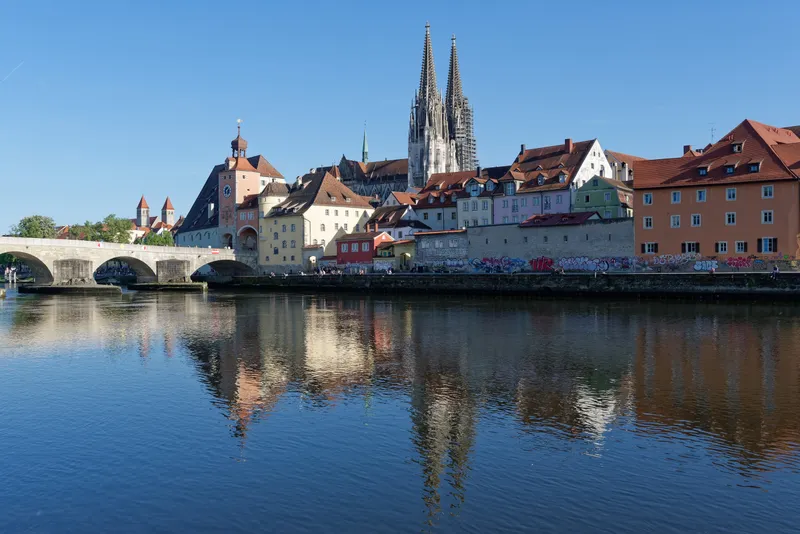
Toruń has a humid continental climate, meaning warm summers and cold, sometimes snowy winters. Late spring and early autumn, roughly May to June and September, are the sweet spots: mild days, long light and fewer crowds along the riverfront. Summer is the liveliest season, with outdoor cafes, festivals and the Gothic skyline glowing at dusk, though July and August can feel busy and occasionally humid. Winter is cold and grey but atmospheric, especially when snow settles on the red-brick towers and the Christmas market fills the old town. Pack layers whatever the season, as the weather by the Wisla shifts quickly. The town's own festival is a light show rather than a market. Each summer the brick facades and the river frontage become screens for projected work by international artists, drawing a large crowd for about a week, and anyone choosing dates should weigh it first. Beyond that, the astronomical connection here is not decorative: the man who moved the earth was born in a house you can visit, and the planetarium a few streets from it is genuinely good. In deep winter the river sometimes carries ice, which is the version of this city that photographs best.
Pros and Cons of Toruń
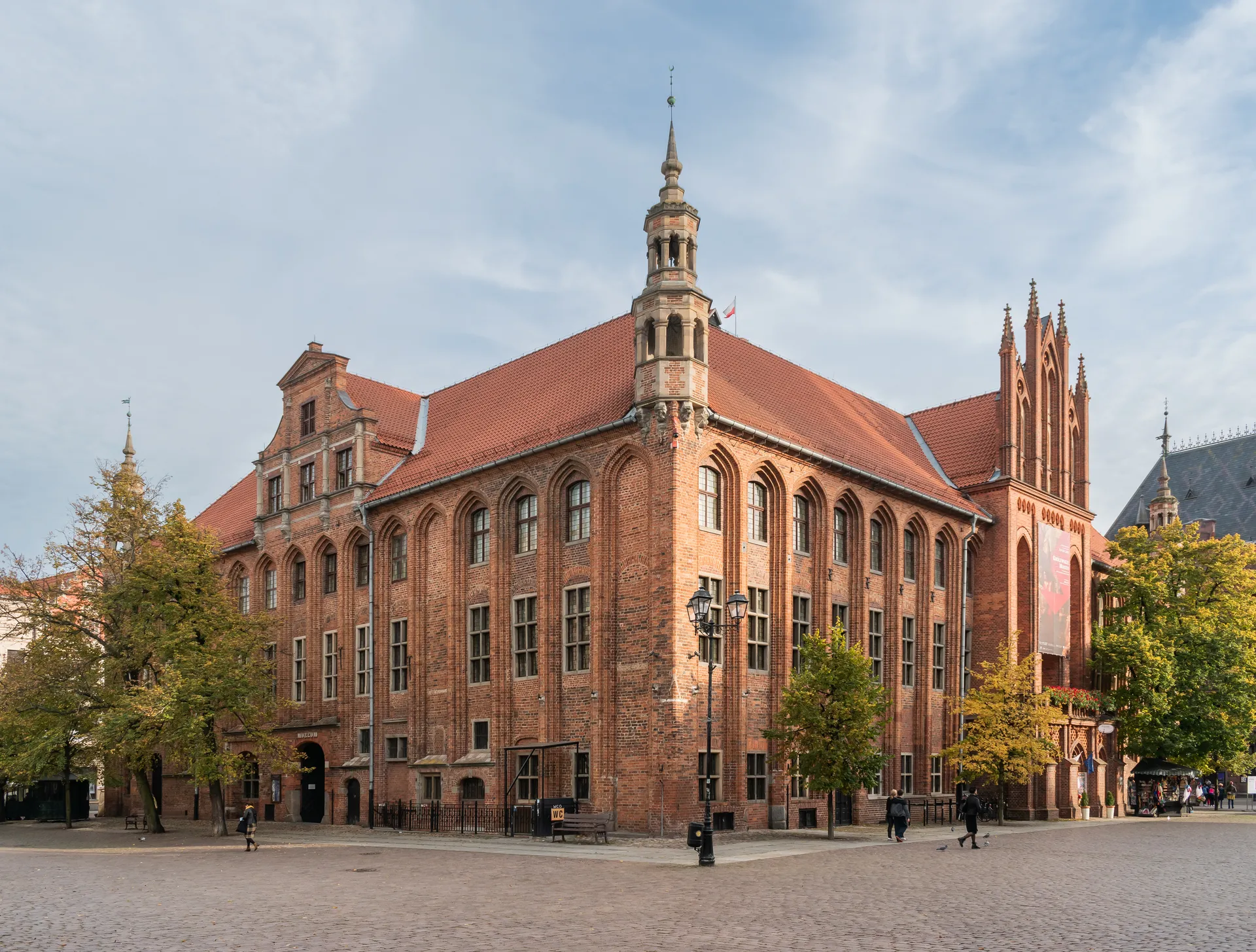
Toruń rewards those who want an affordable, beautiful base with genuine character, but it is a smaller city, so expectations should be set accordingly. The UNESCO old town, low costs and easy pace are real draws, while the modest international scene and quieter nightlife may frustrate those seeking a big-city buzz. Weigh what matters most to you before settling in for a longer stay. For many remote workers it strikes a fine balance between charm, cost and calm. Worth being concrete about what the listing actually protects, because it is unusual. This is a medieval town that was never destroyed: it escaped the wartime flattening that took Warsaw and Gdansk, so the brick Gothic here is original rather than reconstructed, and the street plan is the one the merchants laid out. Very few places in this part of Europe can say that, and it is the whole reason to be here rather than in a prettier reconstruction elsewhere. The limitation is the size and the season. Two hundred thousand people, a single university, a small international population and a winter that is dark by four. Anyone testing the place should come in November rather than in June, because June flatters it and November is the honest version.
- Pros: Stunning, well-preserved UNESCO old town; genuinely low cost of living; fast internet; walkable and safe; lively student atmosphere; excellent rail links to Warsaw and Gdansk.
- Cons: Small, still-forming nomad community; limited nightlife; cold winters; less English spoken than in major capitals; fewer international flights nearby.
Who Toruń Is For
Toruń suits remote workers who value history, affordability and a slower rhythm over nightlife and a large expat crowd. If you love wandering cobbled streets, working from atmospheric cafes and having a Gothic riverfront on your doorstep, it will charm you quickly. Budget-conscious nomads, writers, students and anyone drawn to central European heritage will feel at home. It is less ideal for those who need a bustling international scene, constant networking events or a lively bar district every night. Come for the calm, the culture and the value; stay because the old town, the gingerbread and the easygoing pace are hard to leave behind. A year here costs what a season costs in western Europe, which is the practical case, and the student calendar is the social one: arrive in late September and the city is full, arrive in July and half of it has gone home. Take a flat on the near side of the river within walking distance of the square, because the winter makes a twenty-minute walk a different proposition from a five-minute one. And learn some Polish; English is good among people under thirty and thin above it, and this is not a city that runs on foreigners.