Cost of Living in Kaunas
Real market data
Source: Numbeo · August 2026
$1,330/moSolo nomad1-bed centre + living costs
$1,860/moCoupleshared 1-bed + costs
$1,130/moLean / localcheaper area + costs
- 1-bed rent, city centre$660€575
- 1-bed rent, outside centre$470€404
- Monthly costs excl. rent (1 person)$670€578
- Meal, inexpensive restaurant$13€11
- Monthly transit pass$32€28
- Buy price, per m² (centre)$3,770€3,278
Prices are from Numbeo (August 2026), converted to USD at $1 = €0.87 (01 Aug 2026). The monthly living-costs figure is our transparent one-person basket, groceries, a few meals out, utilities, phone, internet, transport and essentials, priced from those figures. Solo adds central rent; couple and lean are estimates from the same numbers.
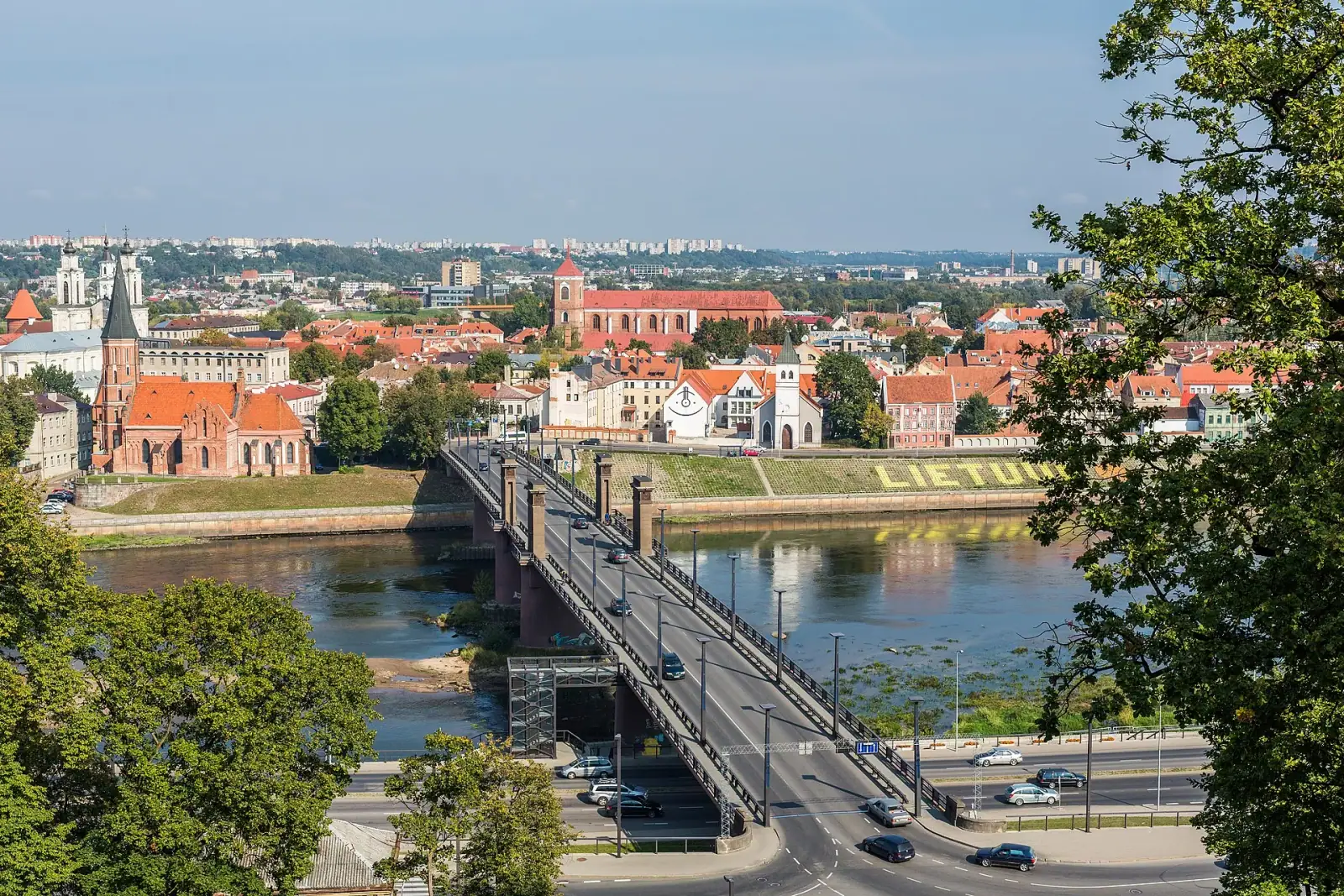
Kaunas is one of the most affordable cities in the EU for remote workers. Rent for a one-bedroom apartment in the city center (Naujamiestis or Old Town) runs roughly $460-635 per month. Move a few tram stops out toward Žaliakalnis or Aleksotas and you can find the same for $345-460.
Groceries for one person come to around $175-230 per month shopping at local Maxima or Rimi supermarkets. Eating out is cheap: a lunch set at a typical bistro costs $7-10, and a full dinner with a drink at a sit-down restaurant is $14-21. A flat white runs about $2.50-3.50.
- Rent (central, 1BR): $460-635
- Groceries (1 person): $175-230
- Eating out (3-4x/week): $92-140
- Coworking hot desk: $175-255 per month
- Public transport (monthly pass): $32-35
- Mobile data (10 GB+): $12-17
Realistic monthly total: $1,040-1,500 covers a comfortable solo nomad life including rent, food, coworking, and occasional nights out. You can live closer to $865-1,040 if you cook at home and take a peripheral apartment.
Where to Work
Kaunas has a genuine coworking scene for a city its size. Workland Laisves on Laisves Avenue is the largest option with over 200 workstations, event space, and reliable fast fiber. Talent Garden Kaunas at Laisves al. 59 caters to the startup and creative tech crowd with a community-focused vibe. Pixel Hub near the Kaunas Lagoon district is a compact 300 m2 creative space with 30 desks, a photo studio, and a relaxation room. Zelmalab in the center is smaller (16 desks, 140 m2) and suits independent creatives who want a quiet, no-frills setup.
Cafe-working is also practical. CAFFEINE LT has multiple locations along Laisves Aleja with good WiFi and long hours (7:00-22:00). Vero Cafe locations are spread across the city, reliably quiet in the mornings, and fine for a few hours of work. The Kaunas Municipal Vincas Kudirka Public Library on Laisves Aleja is free, surprisingly well-equipped, and has consistent internet.
WiFi across coworking spaces is typically enough for video calls without issue, and the fiber infrastructure is solid. Cafe WiFi can be inconsistent at peak hours, so bring a local SIM as backup. Tele2 and Bite offer affordable prepaid data plans.
Getting Around
The city center, particularly Laisves Aleja (the main pedestrian boulevard) and the adjacent Old Town, is very walkable. Most cafes, restaurants, and coworking spaces are within a 15-20 minute walk of each other. Kaunas also has an extensive bus and trolleybus network running from around 5:30 to 23:00, with a modern real-time display system at major stops. A single ride costs $1; a monthly pass is around $32. The Bolt ride-hailing app works well and is cheap for late-night trips.
Two historic funiculars connect the city center with the Aleksotas and Zaliakalnis hillside neighborhoods. They are functional and genuinely used by locals, not just tourists.
Kaunas International Airport (KUN) is 15 km northeast of the city. Bus No. 29 runs directly from the airport to Laisves Aleja in around 35 minutes for $1. Taxis and Bolt are also available outside arrivals. Ryanair uses Kaunas extensively, making it a convenient flight hub for budget travel around Europe. Vilnius is about 100 km away by bus or train (90 minutes, roughly $8-10).
Sorting transport? Book an airport transfer, or compare car rental on Auto Europe and QEEQ.
Visas and Staying Long-Term
Lithuania is a Schengen zone country. Passport holders from the US, Canada, Australia, UK, and most other Western nations can enter visa-free and stay for up to 90 days within any 180-day period. Note that the EU's ETIAS pre-authorization system will require visa-exempt visitors to apply online before arrival even for short stays once it starts, and the European Commission has scheduled it for the last quarter of 2026.
For longer stays, Lithuania does not offer a purpose-built digital nomad visa under that name, but it does issue a temporary residence permit that remote workers use effectively. You will need to demonstrate sufficient income (at minimum roughly $1,150/month), valid health insurance, a clean criminal record, and accommodation in Lithuania. Permits are typically issued for one to two years and are renewable.
A separate pathway via the startup visa or self-employment registration also exists if you want to formalize your presence.
Best Time to Visit
The sweet spot for remote work in Kaunas is late April through September. Temperatures are mild to warm (15-25°C / 59-77°F), daylight hours are long (up to 17 hours in June), and the city is at its liveliest with outdoor cafes, riverside walks, and local festivals. May and early June are particularly good: fewer tourists, comfortable temperatures, and greenery at its peak.
July and August are the warmest months and slightly busier, but Kaunas never gets crowded in the way that major tourist cities do. Autumn (October-November) sees temperatures drop quickly and daylight shrink fast, though it stays workable through October. Winter (December-February) is genuinely cold, dark, and grey, with January averages around -3°C (27°F). The city does not shut down in winter, but it is harder to enjoy without good cold-weather gear, and the short daylight hours affect mood for some. If you are sensitive to seasonal affective patterns, plan your visit between May and September.
Pros and Cons
- Very affordable by EU standards, especially rent and dining
- Excellent internet infrastructure, fiber widely available
- Safe city with low violent crime; comfortable to walk at night
- Compact and walkable center with genuinely interesting interwar architecture
- Good flight connections via Ryanair for budget travel across Europe
- Authentic and unhurried compared to Vilnius; less touristy, lower prices
- EU country, so strong rule of law and infrastructure
- Dark, cold winters from November through March with minimal sun
- Small nomad community; meeting other remote workers takes more effort than in hubs like Lisbon or Tbilisi
- English gaps among older residents and in smaller shops; Lithuanian is hard to learn
- Limited nightlife variety compared to larger European capitals
- LGBTQ+ infrastructure is limited; the city is socially conservative by Western European standards
- Fewer direct flights outside Europe; reaching North America or Asia requires a connection
Who Kaunas Is Best For
Kaunas works particularly well if you want an affordable, genuinely livable EU city without the tourist fatigue of Prague or Lisbon. It suits remote workers who prioritize low cost, fast internet, and a calm working environment over a buzzing social scene. History and architecture enthusiasts will find the interwar modernist streetscape genuinely distinctive. People visiting on a Schengen 90-day window will get excellent value here, especially in summer.
It is also a smart choice if you are testing European living before committing to a more expensive city: the infrastructure is solid, English is workable among the younger population, and flights home via Ryanair keep costs manageable.
Skip Kaunas if you need year-round warmth, a large existing nomad community to plug into immediately, or vibrant nightlife as a core part of your lifestyle. It is also not ideal if you are very sensitive to long, dark winters and plan to stay November through February.