 Cairo
 Marrakech
Most wrong choices between these two are made in October. Both are at their best then, you are on a short trip, and each city makes a persuasive case for itself in a week. The regret comes later, and it comes on a different schedule in each place, which is the most useful thing to understand before you pay a deposit.
Week one
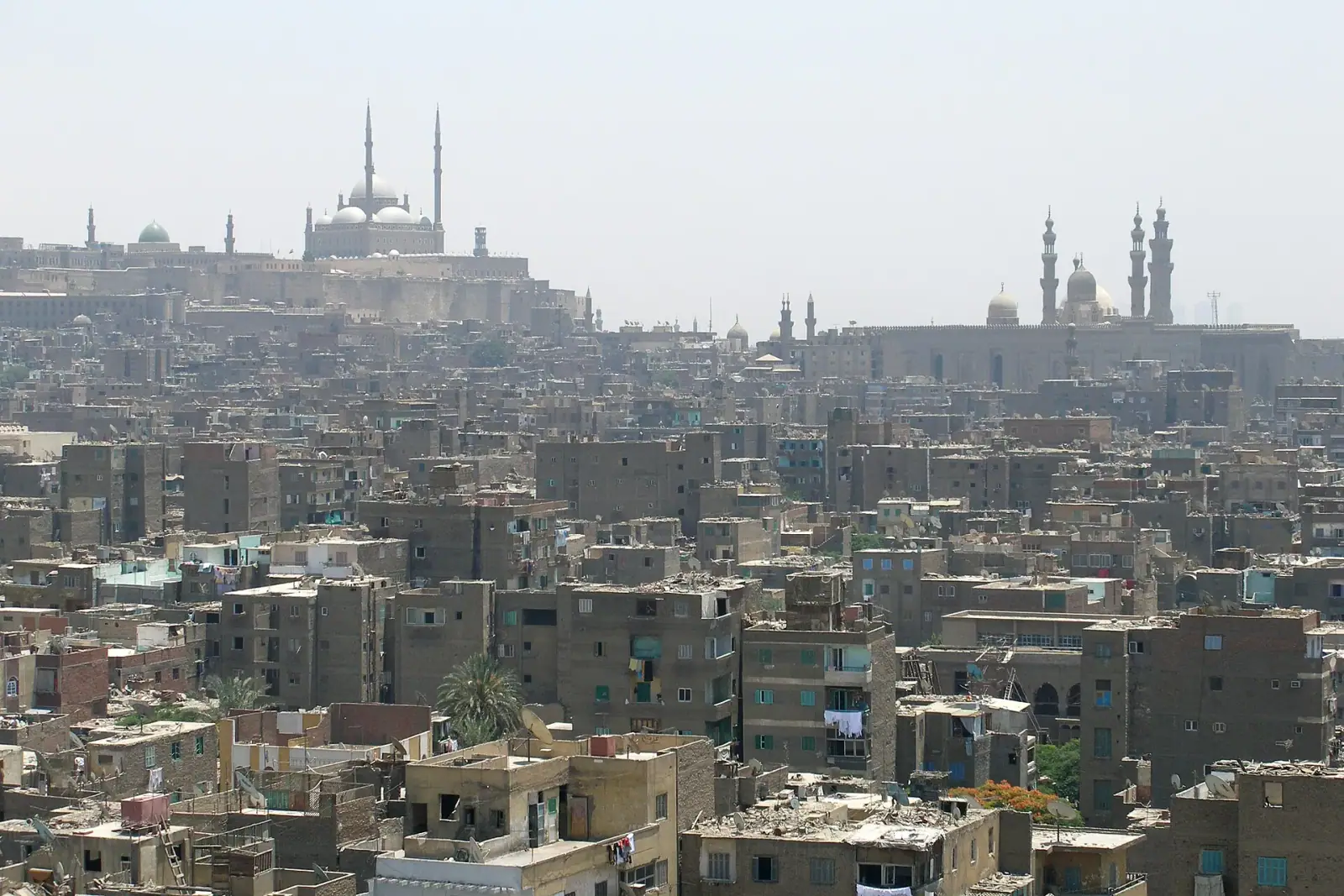
This is when people regret Cairo. Greater Cairo holds about 22 million people, and the air has been put at nearly twelve times the safe level. Crossing a road is a skill to be learned. If you are a woman, street harassment is the part you should ask about first: a 2013 UN Women survey found that 99.3 percent of Egyptian women had experienced it, and being a foreigner does not exempt you. A flat downtown, among the faded Belle Époque facades, looks romantic in the listing and is the hardest possible way to begin.
Zamalek, on its island in the Nile, has only about 15,000 residents, along with trees, galleries and a specialty coffee shop or two with working Wi-Fi. Maadi to the south is leafier still. Start there.
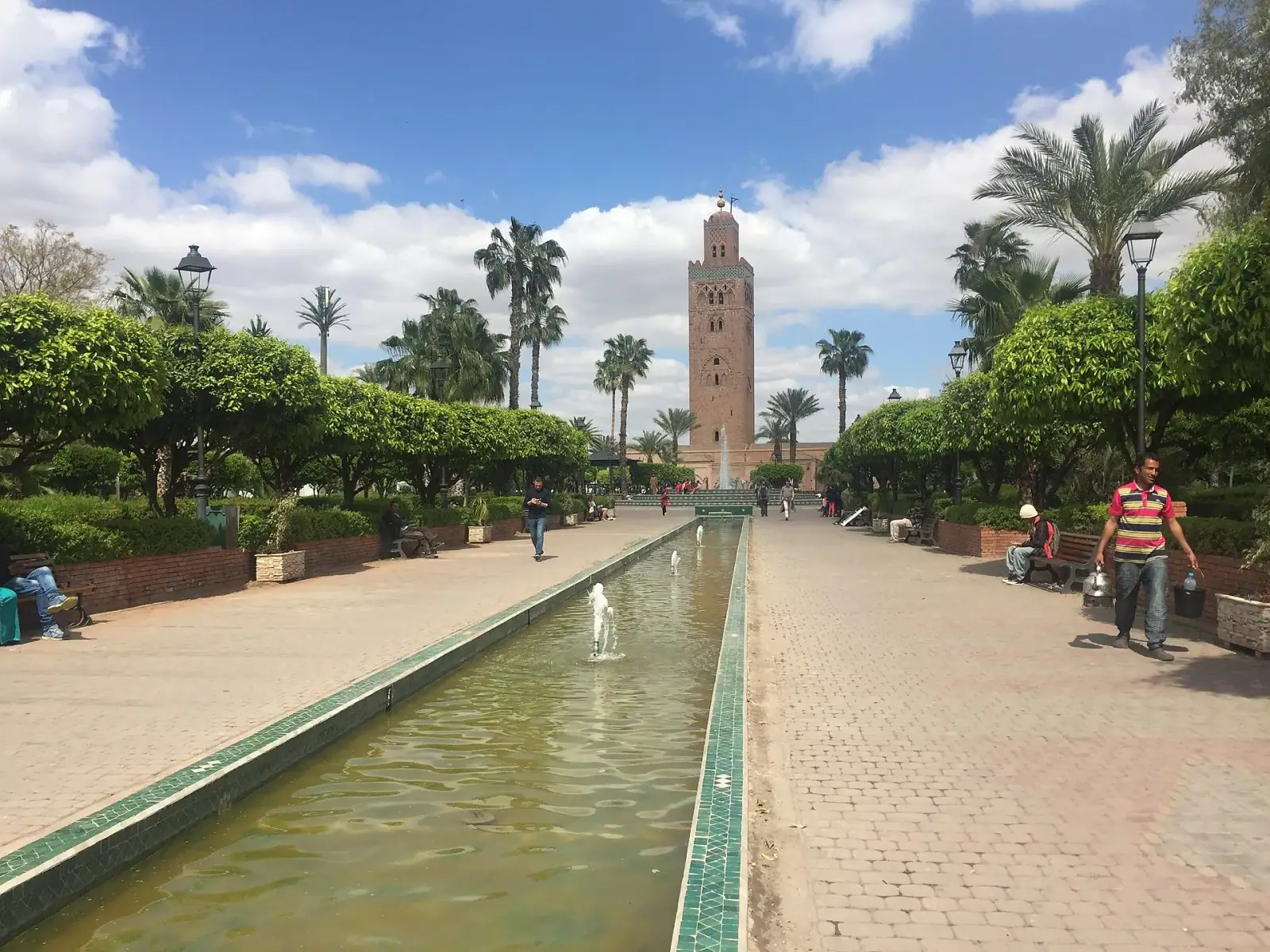
Nobody regrets Marrakech in week one. Jemaa el-Fnaa at dusk is still extraordinary, the Majorelle garden is as blue as promised, and easyJet and Ryanair, which both base aircraft at Menara, have probably flown you in for very little.
Month three
Now the positions swap. Marrakech's urban population is about a million, but the part you use is much smaller: the medina, Gueliz, Hivernage, a few weekend trips into the Atlas. The coworking scene around Gueliz has become solid, L'Blassa especially, and yet it is modest, and you will have eaten at the good places. Each trip through the souks brings the same offers from the same touts, who no longer feel like local colour. If your flat in the medina has slow internet, and connections there are less predictable, you begin to count the taxi fares to Gueliz. For a longer stay, Marrakech is at risk of becoming a place you have finished.
Cairo cannot be finished. By the third month you know your koshary place and your route, and the size stops being a threat and turns into supply: new neighbourhoods, a startup crowd around The GrEEK Campus downtown, Islamic Cairo for an aimless Friday, a metro with more than a billion rides a year. The Grand Egyptian Museum, about two kilometres from the pyramids, opened fully on 1 November 2025, with all 5,398 objects from Tutankhamun's tomb together in one place.
The clock, the visa and the summer
Older advice that Marrakech shares a clock with Paris is out of date. On 20 September 2026 Morocco went back to UTC all year, with no more changes for Ramadan. It now matches London in winter and sits an hour behind it in summer, and it is one or two hours behind Paris. That is a real loss for anyone serving Central Europe, and a gain for anyone with American clients, who get two or three more shared hours than they would from Cairo. Egypt changes its clocks too, a few weeks after Europe does, and sits an hour ahead of Paris for almost all of the year.
Morocco gives Americans, British citizens and most Europeans 90 days without a visa. Egypt gives the same people a 30-day visa on arrival or online, so you will be dealing with it sooner.
You may assume Cairo is the furnace of the two. Averages say otherwise: Marrakech reaches around 38°C by day in July, and Cairo's peak is around 35°C in June. Marrakech is the colder one too, down to 7°C on December nights, and a riad is built around an open courtyard. It is delightful in October.
The price runs against expectations as well. On our estimate you will pay around $1,200 a month in Cairo and around $1,500 in Marrakech, so the easier city is the dearer one by $300.
For three months, take Marrakech, in Gueliz, between October and May. If it starts to feel small, the coast is close, and we compare Marrakech with Essaouira separately. For anything longer, ask yourself which you would rather be dealing with in month six: exhaustion, or boredom? If you can live with the first, Cairo has enough in it to hold you for years.
 United States
 United Kingdom
 Germany
 Canada
 Australia
 India