Cost of Living in Panama City
Real market data
Source: Numbeo · August 2026
$1,840/moSolo nomad1-bed centre + living costs
$2,320/moCoupleshared 1-bed + costs
$1,500/moLean / localcheaper area + costs
- 1-bed rent, city centre$1,240
- 1-bed rent, outside centre$900
- Monthly costs excl. rent (1 person)$600
- Meal, inexpensive restaurant$10
- Monthly transit pass$21
- Buy price, per m² (centre)$3,090
Prices are from Numbeo (August 2026), already in US dollars. The monthly living-costs figure is our transparent one-person basket, groceries, a few meals out, utilities, phone, internet, transport and essentials, priced from those figures. Solo adds central rent; couple and lean are estimates from the same numbers. The guide below quotes its own monthly range, which is a different measurement rather than a competing one: this table prices a defined basket at the figures above, while that range is a judgement about how somebody actually lives here.
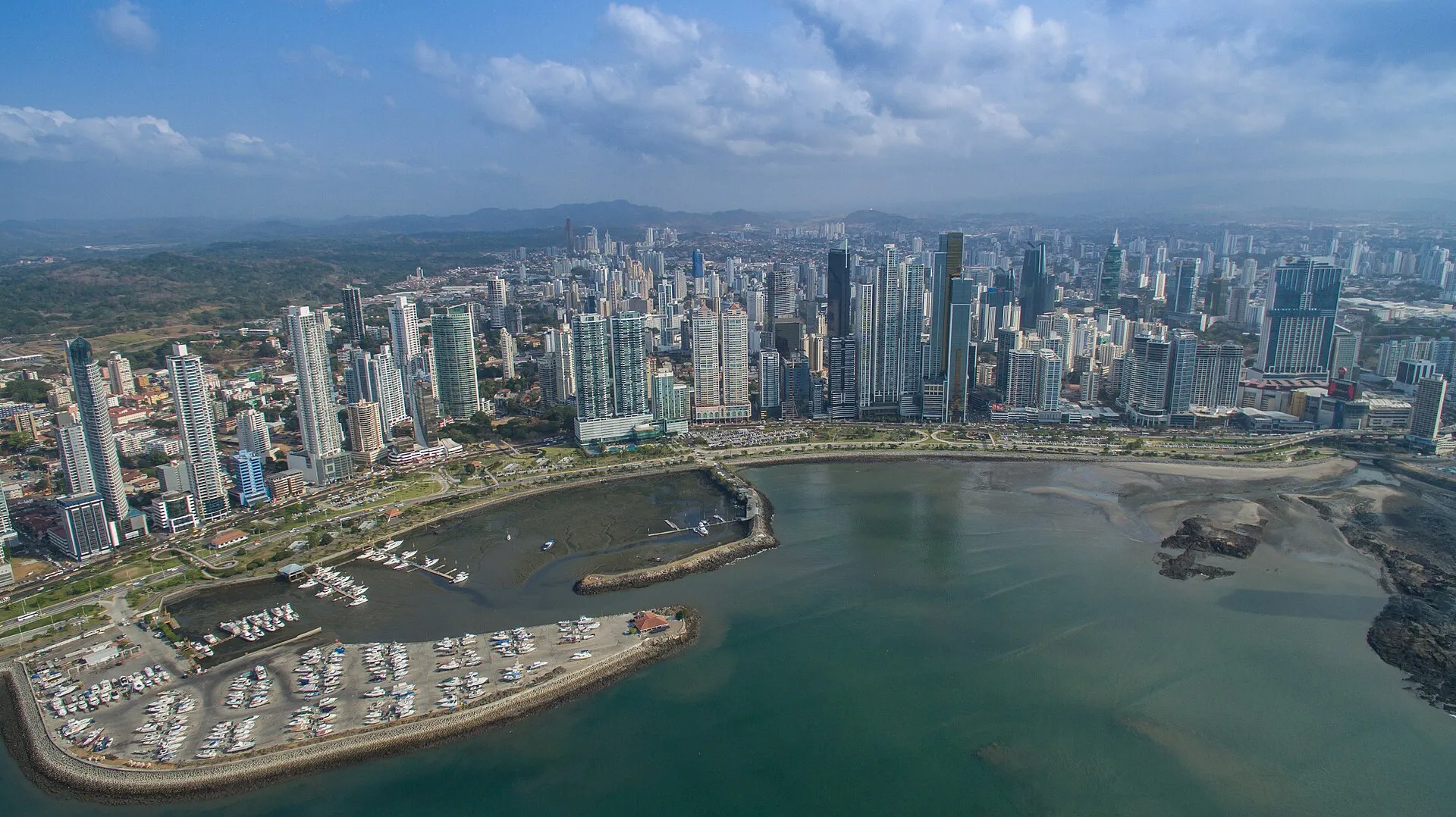
Panama City uses the US dollar (USD), which removes any currency conversion headache. Your costs depend heavily on which neighborhood you choose. In central areas like Marbella, El Cangrejo, or Punta Pacifica, expect to pay $900-1,500/month for a furnished one-bedroom apartment. Move out to areas like Betania or San Miguelito and you can find decent places for $500-800/month.
- Rent (central, 1BR): $900-1,500/month
- Rent (outer area, 1BR): $500-800/month
- Groceries (self-catering): $200-350/month at supermarkets like El Rey or Riba Smith
- Eating out (local spots): $5-10 per meal; a set lunch (menu del dia) around $4-6
- Coworking hot desk: $120-200/month; day passes run $15-20
- Local transport (MetroBus/Metro): $35-50/month; single ride is $0.35
- Utilities (electricity, water): $80-150/month (AC drives costs up fast in the heat)
Total realistic monthly range: $1,400-2,200 for a comfortable nomad setup in a safe central neighborhood. Budget-conscious nomads staying further out can get under $1,000/month, but factor in Uber rides if you want to stay safe after dark.
Where to Work
Panama City has a solid coworking scene for its size. The standout options cluster around the financial district and Punta Pacifica. Workings runs three locations in major towers (including Torre de las Americas in Punta Pacifica) with fast internet, meeting rooms, and terrace access. The Cube Coworking near Via España and Metro Iglesia del Carmen is popular with nomads for its open-plan vibe and community events. Panama Coworking Center in Kenex Plaza offers some of the fastest connections in the city at roughly $150 for a 10-day pass. Selina Casco Viejo gives you a coworking day pass for around $10 in a beautiful historic building with a rooftop.
Cafe work culture exists but is uneven. Cafe Unido (multiple branches citywide) welcomes laptop workers and serves quality Panamanian specialty coffee. Sisu Coffee Studio in Casco Viejo is cozy and remote-worker friendly. That said, many local cafes are small and not designed for hours of work, so a coworking membership makes more sense as your base.
WiFi speeds are genuinely good by regional standards. Coworking spaces consistently deliver fast, reliable connections. Mobile data coverage via Claro or Movistar is strong across most of the city, which is useful as a backup.
Getting Around
Panama City is not particularly walkable outside a few pockets. The heat and humidity make long walks unpleasant, and sidewalks are inconsistent in many neighborhoods. That said, Casco Viejo itself is completely walkable once you are inside it, and parts of El Cangrejo around Via Argentina feel pedestrian-friendly.
The Metro is a genuine asset. Two lines cover major corridors of the city and run from 5:00 AM to 11:30 PM. A single ride costs $0.35 with a rechargeable card (also used on MetroBus). The MetroBus network runs over 140 routes and is air-conditioned, replacing the old chaotic "diablo rojo" buses. For everything else, Uber works well and is affordable.
Getting to and from Tocumen International Airport (PTY) is easy: Metro Line 2 has a direct branch to the airport terminal, making it one of the most convenient airport connections in Central America. A taxi or Uber from the city center takes 30-45 minutes depending on traffic, which can be bad during rush hours.
Sorting transport? Book an airport transfer, or compare car rental on Auto Europe and QEEQ.
Visas and Staying Long-Term
Most Western passports, including US, UK, Canadian, EU, and Australian, enter Panama visa-free for 90 to 180 days depending on nationality. US passport holders typically receive 180 days on arrival as a tourist. Extensions are possible through the National Immigration Service but are granted case-by-case and not guaranteed.
Panama has a dedicated Digital Nomad Visa (Visa de Nómada Digital) valid for 9 months, extendable once for a total of 18 months. Requirements include proof of at least $3,000/month in foreign income, valid health insurance covering Panama, a clean criminal background check, and a valid passport. The application fee is $250 plus $50 for the visa card. You must use a licensed Panamanian legal representative to file, adding roughly $500-1,000 in legal fees. Processing takes around 30 days.
Panama's territorial tax system means income earned from clients or employers outside the country is not taxed locally, which appeals to many nomads considering longer stays.
Best Time to Visit
Panama City sits on the Pacific coast and has two distinct seasons. The dry season runs from mid-December through mid-April. This is the most comfortable window for remote work: temperatures around 29-32C (84-90F), low humidity by local standards, and reliable sunshine. January through March is the sweet spot.
The wet season covers May through December. Rain typically arrives in heavy afternoon bursts rather than all-day downpours, so mornings are often clear. October and November are the wettest months. Working through the wet season is entirely feasible since you are indoors most of the day anyway, and accommodation costs can be lower with fewer visitors around.
Avoid travel over Christmas and Carnival (February/March) if you dislike crowds and higher prices. The shoulder periods of late November and early December offer decent weather and quieter streets.
Pros and Cons
- Pro: USD currency means no exchange rate stress
- Pro: Direct flights to major US and European hubs from Tocumen airport
- Pro: Good coworking infrastructure and fast internet
- Pro: Territorial tax system favors foreign-income earners
- Pro: Rich food scene mixing Panamanian, Latin American, and international cuisines
- Pro: Metro Line 2 connects directly to the airport
- Con: High heat and humidity year-round; AC bills add up
- Con: Traffic congestion can be severe in peak hours
- Con: Digital nomad visa requires a local legal representative and adds real costs
- Con: Walkability is poor outside a few neighborhoods; you will rely on Uber or the Metro
- Con: Some expat-heavy areas push rents and restaurant prices toward Miami levels
- Con: Petty theft is common in crowded areas; vigilance required
Who Panama City Is Best For
Panama City works well for nomads who want a Latin American base without currency volatility, who value strong flight connections as a regional hub, and who appreciate a city with real urban infrastructure. If you earn in USD or euros and want a place where your money is straightforward to manage, Panama makes immediate sense. It suits people who are comfortable with heat and do not need a walkable neighborhood to feel at home.
It is a particularly good fit for those eyeing longer stays under the digital nomad visa, especially if the territorial tax treatment is relevant to their situation. The food scene, nightlife in Casco Viejo, and access to nearby nature (the Canal, rainforest, Pacific beaches) give it depth beyond a purely functional base.
Skip it if you need cool weather, prefer bike-friendly cities, or are on a very tight budget: Panama City is affordable by North American standards but is not the cheapest option in Central America. Also think twice if you need a tight-knit nomad community, as the scene is present but smaller than you find in cities like Medellin or Mexico City.