Cost of Living in Eindhoven
Real market data
Source: Numbeo · August 2026
$2,650/moSolo nomad1-bed centre + living costs
$3,390/moCoupleshared 1-bed + costs
$2,370/moLean / localcheaper area + costs
- 1-bed rent, city centre$1,730€1,506
- 1-bed rent, outside centre$1,450€1,262
- Monthly costs excl. rent (1 person)$920€800
- Meal, inexpensive restaurant$21€18
- Monthly transit pass$120€100
- Buy price, per m² (centre)$6,730€5,850
Prices are from Numbeo (August 2026), converted to USD at $1 = €0.87 (01 Aug 2026). The monthly living-costs figure is our transparent one-person basket, groceries, a few meals out, utilities, phone, internet, transport and essentials, priced from those figures. Solo adds central rent; couple and lean are estimates from the same numbers. The guide below quotes its own monthly range, which is a different measurement rather than a competing one: this table prices a defined basket at the figures above, while that range is a judgement about how somebody actually lives here.
Eindhoven is noticeably cheaper than Amsterdam or Utrecht, but it is still a Western European city with Western European prices. Expect to spend between $2,300 and $3,680 per month (roughly USD 2,200 to USD 3,500) as a single remote worker, depending heavily on your housing choice.
- Rent, central (city center, 1-bedroom): $1,610 to $1,960/month
- Rent, cheaper area (outside center or suburbs): $1,040 to $1,320/month
- Groceries (supermarket, Lidl/Albert Heijn): $290 to $405/month
- Eating out (casual lunch or dinner): $14 to $23 per meal; a sit-down dinner with drinks $35 to $58
- Coworking hot desk: $200 to $320/month (day passes typically $17 to $29)
- Local transport (bus, OV-chipkaart): $58 to $92/month if you use it regularly; cycling is free if you bring or buy a bike
- Total realistic monthly range: $2,300 to $3,680/month
Housing is the single biggest variable. You can shave $460 to $690 off your budget by living 15 to 20 minutes from the center by bike, which is entirely practical in this city.
Where to Work
Eindhoven has a genuine coworking culture, driven by its tech and design industries. You will not struggle to find a desk.
Coworking Spaces
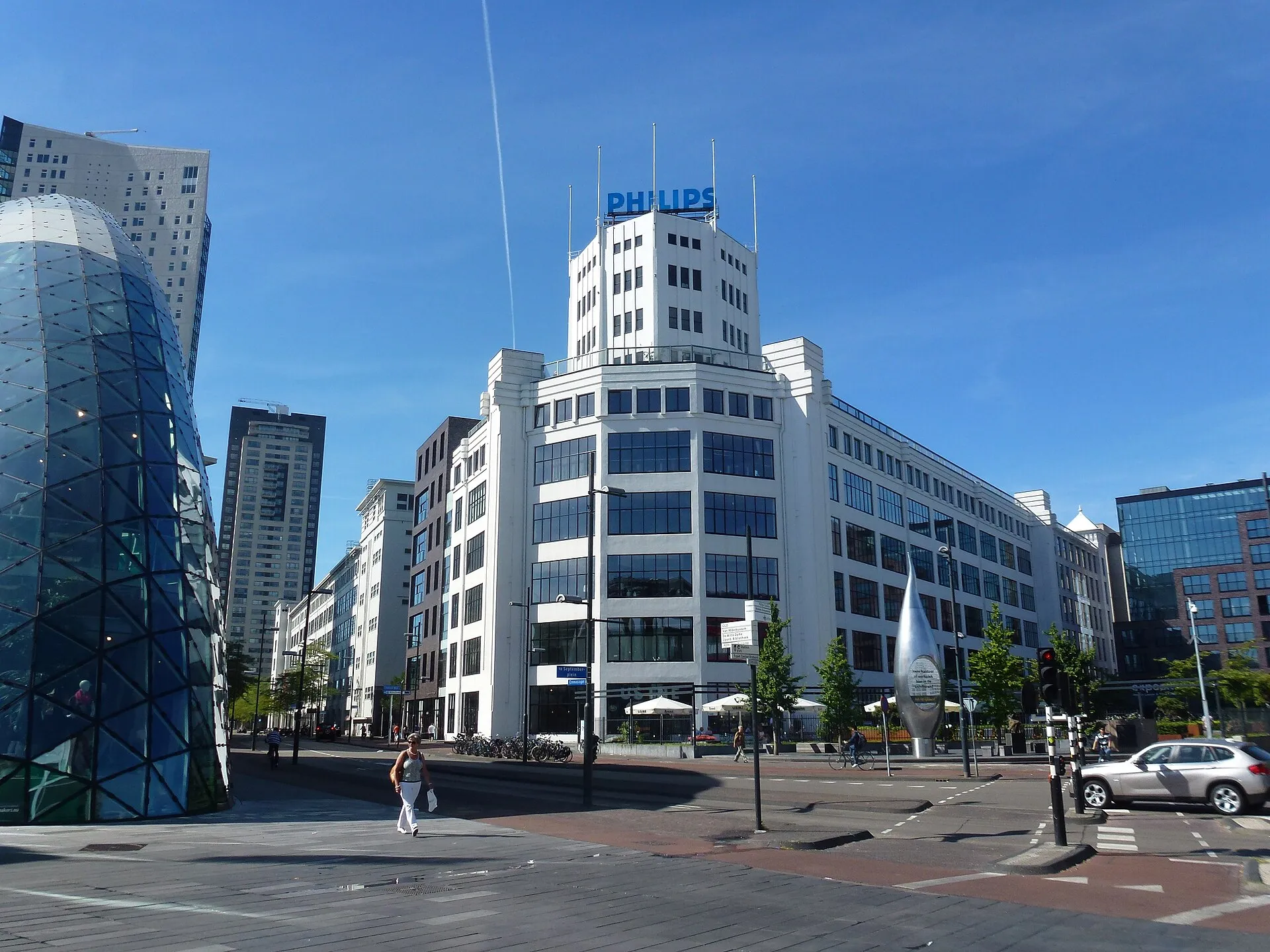
Microlab (Strijp-S) is the most community-oriented option, with flexible nomad memberships from $200/month, a rooftop bar, and regular events. Bouncespace (city center, near Central Station) sits under a spectacular glass atrium and is excellent for spontaneous day passes. Strijp-CS (Strijp-S, Torenallee) is small, industrial, and highly rated by regulars who want a quiet, focused atmosphere. Spaces Fellenoord offers 24/7 access and a more corporate setup if that suits your work style.
Cafe Work Culture
Laptop culture in cafes is accepted but not unlimited. Lucifer Coffee Roasters on Kleine Berg is the best-known spot for working over coffee, with strong WiFi and power sockets, though some locations occasionally ask laptop users to move on during busy afternoon hours. ZwartWit Koffie and Bakkie 040 are other well-regarded options with tables and outlets. If you plan to work in a cafe for several hours, order regularly and read the room.
WiFi Situation
Eindhoven's fixed-line and mobile internet infrastructure is excellent. Coworking spaces reliably offer fast symmetric connections. Cafe WiFi is generally solid at the spots listed above.
Getting Around
The bike is the dominant mode of transport and the best choice for daily life. The city is flat, compact, and has dedicated cycling lanes throughout. You can cover most of the inner city in under 15 minutes by bike.
For longer distances within the city and region, the bus network (operated by Connexxion and Hermes, using the OV-chipkaart) is reliable and covers all major areas. A tap-on, tap-off journey within the city costs roughly $1.50 to $3 depending on distance.
Eindhoven Central Station connects you to Amsterdam (1h 20m), Utrecht (55m), and Brussels (2h 30m) by intercity train. The Netherlands rail network (NS) is punctual by European standards, though it does have disruption periods.
For the airport: Eindhoven Airport (EIN) is 9 km from the city center. Bus lines 400 and 401 run from the Central Station bus terminal directly to the terminal in about 25 minutes. A single ticket costs around $5.50, or $3 with an OV-chipkaart. There is no direct train to the airport. Ryanair, Wizz Air, and Transavia use EIN heavily, so budget flights across Europe are easy to find.
Sorting transport? Book an airport transfer, or compare car rental on Auto Europe and QEEQ.
Visas and Staying Long-Term
The Netherlands is part of the Schengen Area. Citizens of the US, Canada, Australia, the UK, and most other Western countries can enter visa-free for up to 90 days in any 180-day period across the entire Schengen zone. This applies whether you are in Eindhoven for a week or three months.
The Netherlands does not have a dedicated digital nomad visa. For stays beyond 90 days, your main option is the self-employed residence permit (MVV), which requires a business plan, proof of income, and scoring on a government points system. This is not a quick or easy process and involves working with the Dutch immigration service (IND).
There is no straightforward short-term extension path for tourists. If you need more than 90 Schengen days, you either apply for the MVV well in advance or plan a Schengen exit before your 90 days are up.
Best Time to Visit
The best window for remote work in Eindhoven is May through September. Temperatures run between 18 and 26 degrees Celsius (65 to 79 degrees Fahrenheit), days are long (sunset past 9 pm in June), and the city comes alive with outdoor events including Dutch Design Week in October, which also makes late September into early October worth considering.
Winters (November to February) are grey, damp, and frequently overcast. Temperatures stay above freezing most of the time, but the combination of flat light, persistent drizzle, and short days makes this the hardest period psychologically. If you are sensitive to SAD or need sunlight to stay productive, winter in Eindhoven will test you.
Spring (March to April) is unpredictable, with cold snaps and rain, but improving by late April. Autumn (September to October) is crisp and manageable, with fewer tourists than summer.
Pros and Cons
Pros
- Strong tech and design ecosystem; easy to connect with startups, creatives, and engineers
- English spoken fluently and universally, including at government offices and shops
- Excellent and affordable flight connections through Eindhoven Airport
- Cheaper than Amsterdam while keeping the same quality of infrastructure
- Highly bikeable, compact, and genuinely safe city
- Good coworking supply with real community, not just hot desks
- Air quality is excellent for a mid-size European city
Cons
- Winter weather is persistently grey and wet for four to five months
- Housing market is tight; finding a good long-term rental takes time and competition
- Dutch people are friendly but reserved; social integration takes deliberate effort
- Nightlife and food scene, while improving, is thinner than Amsterdam or Berlin
- No dedicated digital nomad visa; 90-day Schengen cap applies
- Cost of living has risen sharply since 2022, especially rent
Who Eindhoven Is Best For
Eindhoven suits remote workers in tech, product design, industrial design, or engineering who want proximity to a real innovation ecosystem. If you want to network with serious professionals, attend design and tech events, and live in a city that punches above its size, Eindhoven delivers.
It also works well for nomads who want a quieter, more affordable Dutch base than Amsterdam, with easy access to the rest of Europe via budget airlines and good train connections.
Skip Eindhoven if you need a warm or sunny winter climate, if you are chasing a buzzy nightlife scene, or if you are looking for the cultural density and variety of a capital city. It also rewards people who cycle; if you do not want to bike for daily errands, you will find the bus system workable but less convenient.