Cost of Living in Ahmedabad
Real market data
Source: Numbeo · September 2026
$420/moSolo nomad1-bed centre + living costs
$600/moCoupleshared 1-bed + costs
$340/moLean / localcheaper area + costs
- 1-bed rent, city centre$190₹18,567
- 1-bed rent, outside centre$120₹11,231
- Monthly costs excl. rent (1 person)$220₹21,365
- Meal, inexpensive restaurant$4₹400
- Monthly transit pass$8₹750
- Buy price, per m² (centre)$850₹81,085
Prices are from Numbeo (September 2026), converted to USD at $1 = ₹95.52 (01 Aug 2026). The monthly living-costs figure is our transparent one-person basket, groceries, a few meals out, utilities, phone, internet, transport and essentials, priced from those figures. Solo adds central rent; couple and lean are estimates from the same numbers.
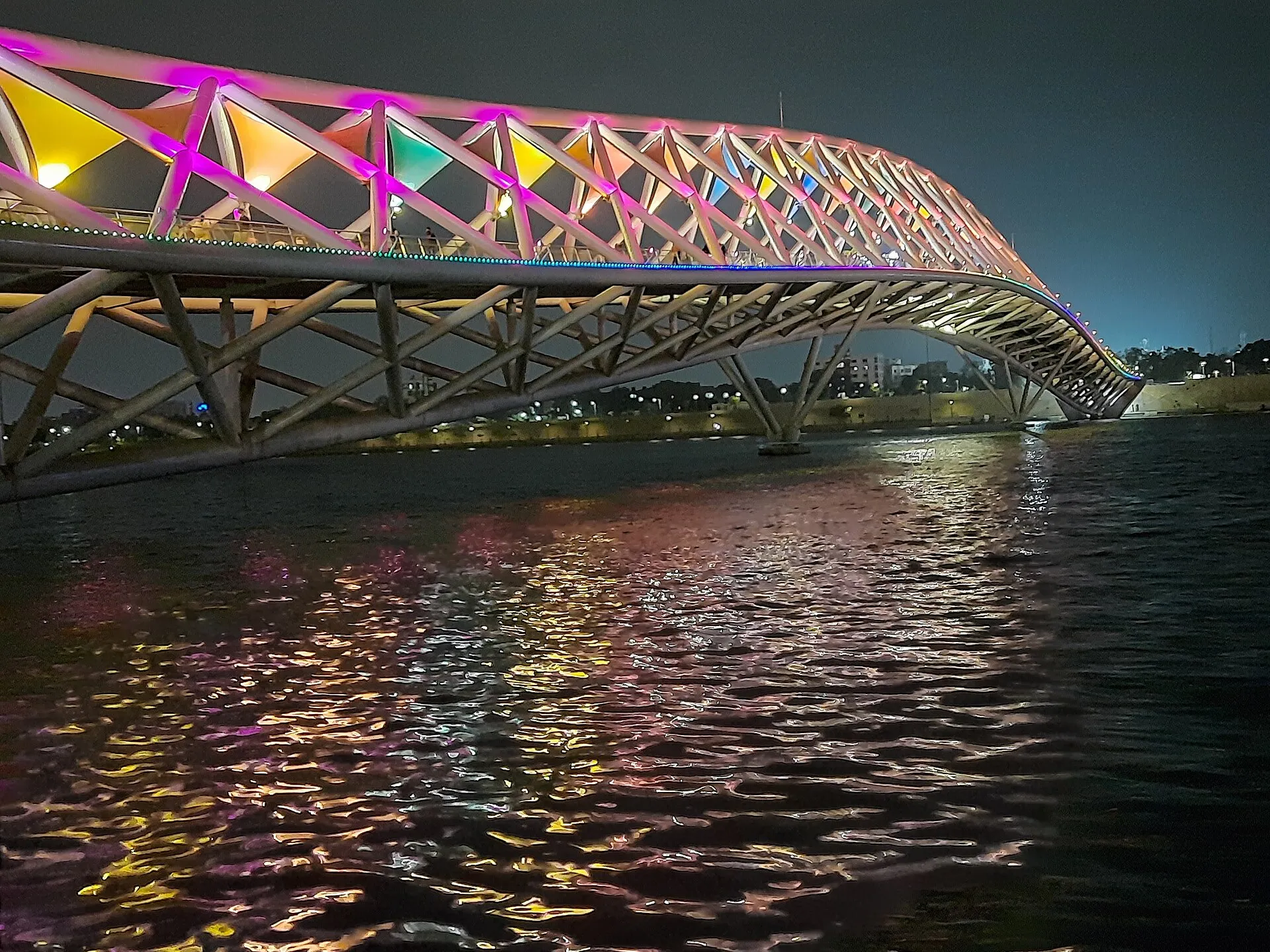
Ahmedabad is among India's better-value cities, running around $420 per month for a comfortable single nomad. A furnished one-bedroom in a decent area such as Navrangpura, Satellite, or near the riverfront costs roughly $200 to $350, with cheaper options further out. Food is very affordable, and Gujarati thalis, street snacks, and local eateries let you eat well on $150 to $220 a month, though note this is a largely vegetarian city so meat and especially alcohol are hard to find. A generous data SIM is about $3 to $5 monthly. Budget $35 to $65 for a coworking hot desk, plus utilities and heavy air conditioning use in the intense summer. Electricity bills spike badly from March through June. Groceries and domestic help are cheap. You can live comfortably on modest spending here, and the low rents make Ahmedabad one of the most economical metro bases in the country. Alcohol is not off limits to a visitor, only to paperwork: a holder of a foreign passport can get a tourist liquor permit free of charge, valid for up to a month, either at the licensed shops inside certain hotels or through the state's online excise portal.
Where to Work in Ahmedabad
Ahmedabad has a growing but smaller coworking scene than the big tech metros, with spaces concentrated around Navrangpura, C.G. Road, Prahlad Nagar, and the SG Highway corridor offering hot desks and day passes. Fixed broadband in the city is reasonable, but reliability can dip during outages and the hot season, so keep a backup 4G or 5G SIM loaded with data for critical calls, which is wise across India. Mobile coverage is strong and cheap. Cafe culture is developing, with modern cafes along C.G. Road and in newer commercial areas where laptop work is tolerated, though the city is more business-driven than cafe-lounging in character. Being a dry state, do not expect cafe-bar hybrids for evening work sessions. Coworking spaces with backup power are the safest choice during occasional cuts. Basing near Prahlad Nagar or SG Highway gives good access to workspaces and amenities. The management institute here occupies a campus designed by Louis Kahn in brick, and the national design school sits a few kilometres away, which between them make this the country's centre for design and management education rather than for software. Architects travel specifically to see those buildings, and the city holds more of that kind of thing than its reputation carries.
Getting Around Ahmedabad
Ahmedabad is relatively flat and has invested in transport, including a growing metro and the BRTS bus rapid transit system that runs on dedicated lanes and is cheap and reasonably efficient. Still, the city is spread out and summer heat makes long walks unpleasant much of the year. Ride-hailing via Ola and Uber works well and is affordable, and autorickshaws are plentiful, though you should use app meters or agree fares in advance. The metro is clean and expanding but does not yet reach every area. Sardar Vallabhbhai Patel International Airport sits close to the city, typically 20 to 40 minutes from central areas, with good domestic links and some international routes to the Gulf. Two-wheelers are common among residents. For most nomads, a combination of app cabs, autos, and the BRTS or metro covers daily needs comfortably without owning a vehicle. A high-speed line to the country's financial capital has been under construction here for years and its viaducts are now visible across the outskirts, though the opening date has moved more than once and is best treated as a plan. For now the overnight trains and a short flight are the two ways to cover that distance.
Sorting transport? Book an airport transfer, or compare car rental on Auto Europe and QEEQ.
Visas for Ahmedabad
India offers no digital nomad visa, so visitors to Ahmedabad rely on the e-Tourist Visa, applied for online ahead of travel in 30-day, one-year, or five-year versions depending on nationality. It is simple to obtain and is the standard path for stays from a few weeks to several months. Working remotely for a foreign employer while on a tourist visa occupies a legal grey area that Indian rules do not clearly address, so understand you are not formally authorized to work and judge that risk for yourself. Any local employment or India-based paid work requires a proper employment or business visa instead. Certain longer stays require FRRO registration. Both long-validity e-visas carry the limit that catches long-stayers: no more than 180 days in India per calendar year, however many entries that is split across. The count resets on 1 January, so a winter that straddles New Year draws on two years' allowances, while a January to June stretch uses up nearly all of one.
Best Time to Visit Ahmedabad
The comfortable season in Ahmedabad is November through February, when the weather turns mild and dry, making it the clear best window for visiting and working. Gujarat is a hot, dry state, and the pre-monsoon stretch from March through June is genuinely punishing, with high temperatures that make air conditioning essential and outdoor activity difficult, so avoid this period if you can. The southwest monsoon arrives around late June and runs through September, bringing relief and some rain, though the city stays drier than coastal India. Winter is the highlight for events too, with the famous Uttarayan kite festival in January and Navratri in autumn drawing crowds. The dry heat is intense but at least less sticky than coastal humidity. For a productive remote-work stay with tolerable evenings and cultural festivals, aim squarely at the November to February window and plan around the brutal summer. The salt flats several hours west turn into a white plain once the monsoon water dries off, and a season of tented camps runs out on them through the cool months, which is the one trip out of this city that more or less everybody makes. Full moon nights there are the point, and they book out well ahead.
Pros and Cons of Ahmedabad
Ahmedabad's strengths are very low costs, some of India's best vegetarian food, strong and improving public transport with the BRTS and metro, a nearby and convenient airport, and a rich heritage as a UNESCO-recognized historic city with the Sabarmati riverfront and Gandhi's ashram. It is safe, orderly, and business-friendly. The main drawbacks are extreme dry-season heat, a smaller coworking and international nomad scene than the tech metros, and the practical realities of a dry, largely vegetarian state, meaning no easy access to alcohol and limited meat options, which some travelers find restrictive. Nightlife is minimal by design. English is widely used in business alongside Gujarati and Hindi. The city is more industrious than glamorous, appealing to those who value substance and value over scene. Overall it rewards budget-focused, culturally curious nomads who do not need a party lifestyle.
Who Ahmedabad Is For
An affordable, safe Indian city with strong food and deep heritage, and not a party hub of any kind, is what is on offer to the budget-minded. It is a natural fit for vegetarians, who will find some of the best plant-based food in the country, and for travelers happy in a dry state where alcohol is not part of the routine. It works for people drawn to history, textiles, architecture, and festivals like Uttarayan and Navratri, and for those who appreciate genuinely good public transport in an Indian metro. The very low rents make it excellent for cost-focused long stays. It is less ideal for anyone who needs nightlife, a large established international community, meat-heavy dining, or cool weather, since summers are severe. Solo travelers and couples who value calm, order, and value over buzz will feel at home here quickly.