Cost of Living in Udaipur
Real market data
Source: Numbeo · August 2026
$310/moSolo nomad1-bed centre + living costs
$450/moCoupleshared 1-bed + costs
$270/moLean / localcheaper area + costs
- 1-bed rent, city centre$130₹12,667
- 1-bed rent, outside centre$91₹8,667
- Monthly costs excl. rent (1 person)$180₹16,755
- Meal, inexpensive restaurant$2₹200
- Monthly transit pass$16₹1,500
- Buy price, per m² (centre)$1,130₹107,638
Prices are from Numbeo (August 2026), converted to USD at $1 = ₹95.52 (01 Aug 2026). The monthly living-costs figure is our transparent one-person basket, groceries, a few meals out, utilities, phone, internet, transport and essentials, priced from those figures. Solo adds central rent; couple and lean are estimates from the same numbers.
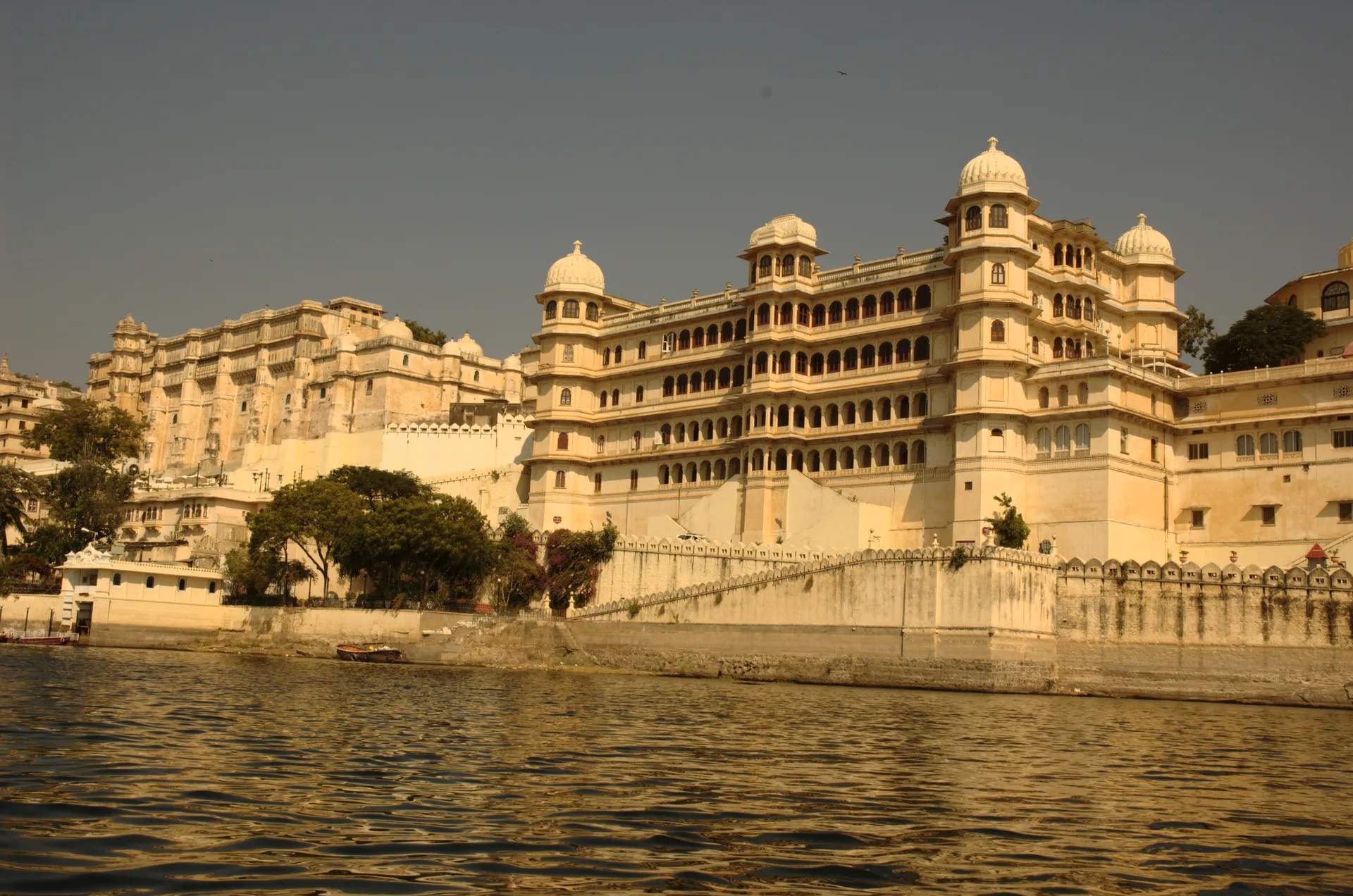
Udaipur is very affordable, and how affordable depends on whose life you are pricing: the measured basket is $270 to $310 a month, while a foreigner living on lake views and restaurant meals spends nearer $700 to $1,100. Rooms in the atmospheric old city around Lake Pichola, often in converted havelis with rooftop lake views, rent long-term for about $150 to $400, with modern flats a little more. Rajasthani thalis and street food cost just a few dollars, and even lakeside restaurants aimed at travellers stay gentle on the wallet. These are our editorial estimates in US dollars, and prices rise in the cool October-to-March high season, when Udaipur fills with tourists and wedding parties, so a longer lease locked in early pays off. The wedding trade is the thing that really distorts prices here. This is the country's premier destination for lavish weddings, and in the peak winter months entire hotels and sometimes whole palaces are booked out by single parties, which pushes everything else up with them. A room with a lake view carries the same premium a fort view does elsewhere, roughly double for the same floor space, and you can halve a budget by taking something one lane back and walking thirty seconds to a rooftop. Summer electricity for cooling is the other bill that bites.
- Haveli room or flat, long stay: roughly $150 to $400 a month
- Rajasthani thali: roughly $2 to $5
- Autorickshaw across the old city: roughly $1 to $2
- Coffee at a lake-view cafe: roughly $2 to $3
Where to Work in Udaipur
Udaipur is a heritage and tourism city rather than a coworking hub, and its infrastructure reflects that. Fibre and 4G reach the city and are cheap, but speeds vary and can dip, so test any room's connection before committing to video-heavy work, especially in the old city's dense lanes. The traveller cafes around Lake Pichola, many with rooftop views, are the de facto offices, and a small number of coworking and hostel work corners serve longer-stay visitors. A Jio or Airtel SIM is an inexpensive, reliable backup. Treat Udaipur as a scenic, lower-intensity base and plan important calls around a tested connection. Monkeys work the terraces along the lake and will take anything left unattended, phone and lunch included, which sounds like a joke until it happens. The boats and the amplified music from the lakeside restaurants also carry a long way over water in the evening, so a call after six is a gamble in the old city. The pattern most people settle into is calls in the morning from indoors, writing on the roof in the late afternoon, and nothing important after dark.
Getting Around Udaipur
The old city around Lake Pichola is compact and best explored on foot, a warren of narrow lanes, ghats and haveli hotels where cars struggle. Autorickshaws are the default for longer hops and are cheap once you agree a fare, and ride apps operate in parts of the city. Boat rides on the lake connect to Jag Mandir and offer the classic palace views. Maharana Pratap Airport, about 30 minutes from the centre, links Udaipur to Delhi, Mumbai and other Indian cities, and the railway station connects to the wider Rajasthan and national network. A few specifics. The hilltop palace west of the city can only be reached on the sanctuary's own vehicles from the gate, so driving up in a taxi is not an option however firmly a driver says otherwise. The best-known day trips, the great wall fort and the marble temple complex to the north, are three hours away in a loop that fills a long day and is worth hiring a car and driver for rather than attempting by bus. In the old city, the lanes flood briefly in heavy monsoon rain and the steps down to the water get slick, which is the one time walking here needs care.
Sorting transport? Book an airport transfer, or compare car rental on Auto Europe and QEEQ.
Visas for Udaipur
Foreign visitors reach Udaipur on India's e-Tourist Visa, arranged online before arrival and issued in 30-day, one-year and five-year forms, with the longer versions allowing repeated entries but no more than 180 days in the country in any calendar year. A tourist visa does not permit local employment, though remote work for a foreign employer sits in the same grey area many long-stayers occupy. Carry copies of your visa, and register locally if the length of your stay requires it. A mechanical detail defeats a surprising number of people: the electronic visa is only valid for entry at a designated list of airports and seaports, so arriving overland from a neighbour on one of these does not work and neither does landing at a smaller airfield. Check the list against your actual itinerary rather than against the country. The application also wants a passport page scan and a plain photograph against a white background, and it is rejected for small failures of format, so allow several days rather than applying the night before a flight.
Best Time to Visit Udaipur
The best time for Udaipur is the cool, dry season from October to March, when pleasant days and cool evenings make wandering the palaces, ghats and hills a joy. This is peak season, so book accommodation ahead and expect higher prices and crowds, particularly around the winter wedding months and festivals. April to June is intensely hot, often above 40 Celsius, which makes daytime activity draining. The monsoon, roughly July to September, brings welcome rain that fills the lakes to their photogenic best and greens the Aravalli hills, with warm, humid, showery weather in between. For comfort, aim squarely for winter. Those famous lake views come with a caveat: they depend entirely on the previous monsoon. After a weak rainy season the water drops and the palaces sit above mud rather than a mirror, which happens often enough that it is worth checking recent photographs rather than the marketing ones before booking a lake-view room. On the calendar, the spring festival in honour of Gauri fills the ghats with processions and boats at the turn of spring, and the crafts fair held in the last weeks of the year brings artisans from across the region into a village site on the edge of town.
Pros and Cons of Udaipur
Udaipur is one of India's most beautiful cities, a romance of lakes and palaces with real trade-offs for remote work. The beauty is not in dispute and does not need defending, so the useful thing to say is what living inside a postcard actually feels like after the first fortnight. The old city is built for looking at rather than for living in: the lanes are narrow and full of scooters, every second doorway is a shop selling miniature paintings to the same passing crowd, and the restaurants play the same film that was shot here on a loop every evening. It is beautiful and it is also relentlessly commercial in a way that a month exposes. The people who stay happily move out of the old city within weeks, take a flat in one of the ordinary neighbourhoods around the lakes, and come in for the views rather than living among them. Do that and this is one of the most pleasant places in the country to spend a winter.
- Pros: stunning lake-and-palace scenery, extremely low costs, rich Rajput culture and architecture, atmospheric haveli stays, and a relatively relaxed, walkable old city.
- Cons: a small nomad community, variable internet, punishing summer heat, limited nightlife, tourist-driven pricing and hassle in peak season, and cleanliness that can be patchy around the busy ghats and lanes.
Who Udaipur Is For
Udaipur suits the culture-loving, budget-minded nomad who prizes beauty, history and a slow pace over a big social scene and flawless bandwidth. Photographers, writers, and anyone captivated by palaces, lakes and Rajasthani craft will find it hard to leave, and it makes a romantic, inspiring base for focused creative work. It rewards travellers happy with some Hindi and comfortable navigating India's intensity. It is a poor fit for those who need fast, guaranteed internet for constant calls, a lively nightlife, or a large remote-work community. Come in winter, settle into an old-city haveli with a lake view, and let Udaipur's romance set the pace. A realistic plan is four to five months from October, taking a flat outside the tourist lanes and treating the old city as somewhere you visit. That covers the entire good season, costs less than a month in most of Europe, and gives enough time for the place to stop performing for you. Couples do particularly well here; the town is set up for two people at a table with a view, and far less for one person looking for a group. Leave before the April heat rather than testing whether you can handle it.