Cost of Living in Cambridge
Real market data
Source: Numbeo · August 2026
$3,160/moSolo nomad1-bed centre + living costs
$4,040/moCoupleshared 1-bed + costs
$2,840/moLean / localcheaper area + costs
- 1-bed rent, city centre$2,070£1,538
- 1-bed rent, outside centre$1,750£1,298
- Monthly costs excl. rent (1 person)$1,090£813
- Meal, inexpensive restaurant$22£17
- Monthly transit pass$97£72
- Buy price, per m² (centre)$9,180£6,822
Prices are from Numbeo (August 2026), converted to USD at $1 = £0.74 (01 Aug 2026). The monthly living-costs figure is our transparent one-person basket, groceries, a few meals out, utilities, phone, internet, transport and essentials, priced from those figures. Solo adds central rent; couple and lean are estimates from the same numbers. The guide below quotes its own monthly range, which is a different measurement rather than a competing one: this table prices a defined basket at the figures above, while that range is a judgement about how somebody actually lives here.
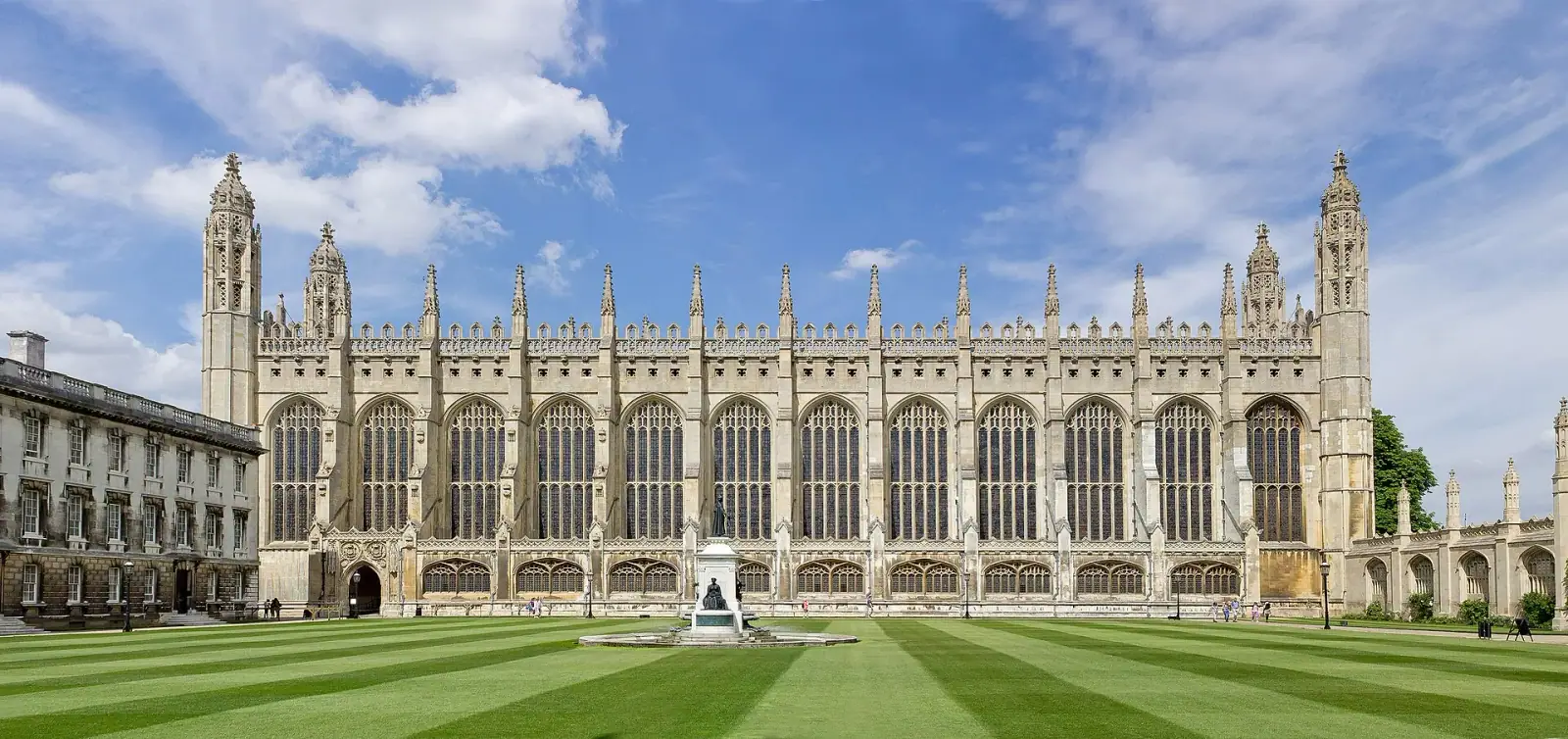
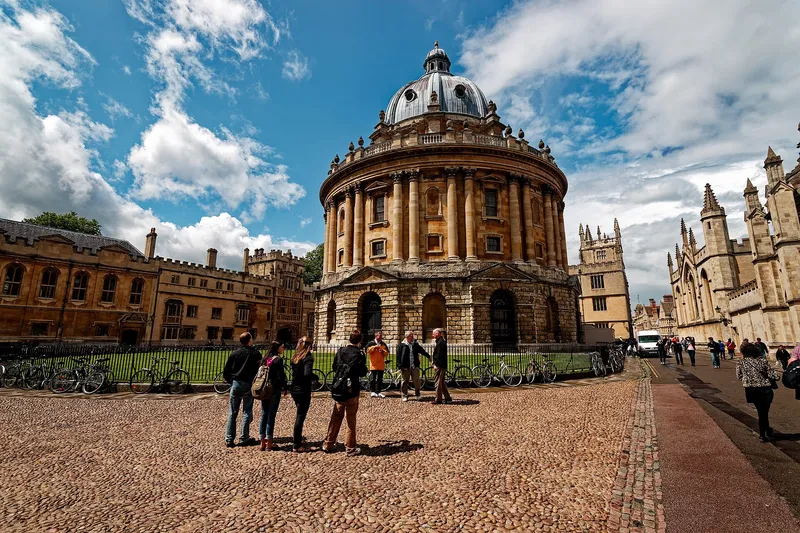
Cambridge is one of the more expensive cities in England outside London. The university drives both demand and prestige, which keeps rents firmly elevated. Budget realistically and you will find it manageable; come expecting London prices and you will be pleasantly surprised.
Monthly breakdown (single person)
- Rent, city centre (1-bed): $1,950-2,250
- Rent, outer areas like Romsey or Cherry Hinton (1-bed): $1,450-1,750
- Groceries: $270-370
- Eating out (mix of casual and mid-range): $330-530
- Coworking hot-desk: $200-400 per month, or $27-40/day
- Local transport (bus pass): $96 per month; many people cycle instead, cutting this to near zero
- Utilities (electricity, heating, water for a studio or 1-bed): $160-270
- Total range: roughly $2,550-3,750/month all in
Eating on Mill Road, Cambridge's most eclectic street, keeps costs down: independent grocers and affordable restaurants sit alongside each other. The university city premium is real, but it is not London.
Where to Work
Cambridge has a solid and growing coworking scene centred largely around the Station Road corridor. Fora at 20 Station Road is the most polished option: a three-storey space with a cafe, bar, meeting rooms and reliable fast fibre. Day passes run around $33-40. Mantle Space has locations on Regent Street and Nine Hills Road, both a short walk from the centre; they offer flexible hot desks and private offices and tend to attract tech and biotech freelancers. WeWork at 50-60 Station Road is the most recognisable option and costs from about $370 per month for a hot-desk membership. Allia Future Business Centre near the Science Park caters specifically to social enterprises and impact-focused workers, with half-day passes from $20.
Cafe work is genuinely viable here. Hot Numbers Coffee on Gwydir Street (their brewery venue) has plugs, fast WiFi and enough ambient noise to focus. The Trumpington Street branch is smaller. The Locker Cafe on King Street is highly rated among laptop workers for its relaxed atmosphere and reliable connection. Avoid Starbucks and Costa in the city centre during term time: the student population fills them and the WiFi slows accordingly.
WiFi quality across Cambridge's independent cafes is generally good. The city's tech and research economy means fibre infrastructure is strong. You are unlikely to run into persistent connectivity problems, though a backup data SIM is always sensible for travel days.
Getting Around
Cambridge is exceptionally flat and compact, which makes it one of the most cycle-friendly cities in the UK. If you stay for more than a week, rent or buy a secondhand bike: it is faster than the bus for most city-centre trips and free to use. Lock it properly, as cycle theft is the most common crime in the city.
The bus network is decent within the city and covers nearby villages. A monthly Stagecoach pass costs around $96. Uber operates in Cambridge. Taxis are available but expensive.
Getting to London: direct trains from Cambridge Station reach King's Cross in about 50 minutes, with services running multiple times per hour at peak times. A standard off-peak single is around $20-33.
Getting to the airport: London Stansted is your closest major airport, roughly 31 miles away. A direct train takes about 31 minutes and runs hourly. Coach options take around 50 minutes. Stansted connects to most major European cities and a good range of long-haul routes via connections. Heathrow is about 90 minutes by road or requires a train change via London. For frequent international travel, Stansted will cover most destinations without needing to go into London.
Sorting transport? Book an airport transfer, or compare car rental on Auto Europe and QEEQ.
Visas and Staying Long-Term
The UK does not currently offer a dedicated digital nomad visa, and there are no signs that one is coming soon. What you have instead:
- Standard Visitor Visa (or visa-free entry): US, EU, Canadian, Australian and many other passport holders can enter the UK visa-free for up to 6 months with an Electronic Travel Authorisation (ETA), which costs $27. As of 2024, updated immigration guidance explicitly permits remote workers employed by or contracting exclusively with overseas clients to work remotely during a visitor stay, provided that remote work is not the stated purpose of your visit.
- Youth Mobility Scheme: Citizens of Australia, Canada, Japan, South Korea, New Zealand, Hong Kong and a handful of others aged 18-30 (or 35 for some nationalities) can apply for a 2-year visa with full work rights. This is the best option for younger nomads who want extended time.
- High Potential Individual (HPI) visa: If you graduated from a top-ranked global university in the last five years, this visa grants 2 years of flexible residency (3 years for PhD holders).
Extensions on visitor status are not straightforward; do not assume you can simply keep re-entering.
Best Time to Visit
Cambridge's climate is oceanic but drier than most of the UK, with fairly even rainfall year-round. Summers are mild rather than hot: expect 20-23°C (68-73°F) in July and August with occasional warm spells. Winters are grey and cold, hovering around 5-7°C (41-45°F), with some frost but rarely snow.
The best window for remote work is late April through September. Temperatures are comfortable, daylight hours are long, and the city is genuinely pleasant to walk around between sessions. May and June are particularly good: the university is still in full swing (which means more events and energy), but school summer holidays have not yet brought day-trippers en masse.
July and August see the most tourist pressure in the city centre, especially around the Backs and punting areas, though this does not meaningfully affect your ability to work or live here. October is a beautiful month: the light turns golden, the tourist crowds thin, and prices ease slightly.
Avoid January and February if you can. Grey skies, short days and little sunlight make these months the least inviting for anyone whose mood depends on being able to step outside.
Pros and Cons
Pros
- Extremely safe and low-stress environment
- Fast trains to London (50 minutes) and Stansted Airport (31 minutes)
- Strong WiFi infrastructure citywide
- Genuinely walkable and bikeable at city-centre scale
- Exceptional food scene for a city of its size, from Michelin-starred to Mill Road street food
- High density of intelligent, internationally minded people in tech, biotech and academia
- Beautiful architecture and green spaces that actually improve daily life
- English-speaking with no language barrier
Cons
- Rent is high relative to most UK cities outside London
- No dedicated nomad visa; 6-month visitor limit applies to most passports
- Winters are grey and can be isolating if you rely on outdoor time
- City centre gets genuinely crowded with tourists in summer
- Nightlife is limited for its population size; it closes early by European standards
- Finding affordable short-term furnished accommodation can take effort
Who Cambridge Is Best For
Cambridge suits remote workers who want a calm, stimulating base in England without the chaos and cost of London. It is especially well-matched to people working in tech, life sciences, or research-adjacent fields, where the ambient community is unusually high-quality. If you value safety, intellectual energy, access to nature (the Fens, river walks, Grantchester meadows), and being 50 minutes from one of the world's great cities while keeping your stress levels low, this is a strong choice.
It also works well for anyone on a UK visitor visa doing a single productive stint: the 6-month limit is long enough to get real work done, and the city has enough variety to stay interesting for that duration.
Skip Cambridge if you need a buzzing nightlife scene, want warm weather most of the year, or are on a tight budget. It will also feel underwhelming to nomads who thrive on the social energy of large nomad hubs: there is no visible nomad community to speak of, and the social fabric here is more local and university-tied than transient.