Cost of Living in Sighnaghi
Where this figure comes from. No cost survey covers Sighnaghi, so the $700 a month above is our own estimate rather than a measurement. On 416 of our 999 city guides the figure is built from a published Numbeo basket, a one-bedroom rent in the centre plus one person's monthly costs without rent, converted to USD; this city is not one of them. How we source everything.
Sighnaghi is an affordable base by European standards, with a comfortable month landing roughly between $600 and $1,000 depending on your habits and the season. Long-stay guesthouse rooms and simple apartments are the biggest saving, and eating locally keeps daily costs low. Georgian wine and hearty food are cheap, and a tasting or a plate of khinkali rarely dents the budget. These figures are editorial estimates rather than fixed prices, and they shift with tourist demand in summer. As a small town, Sighnaghi has fewer rental listings than Tbilisi, so arriving in person or booking ahead helps you find the best value. Nothing local does as much to a budget here as two national facts. Georgia lets foreigners register as an individual entrepreneur and taxes qualifying small-business turnover at one percent, which is among the lowest rates anywhere and is the single biggest reason remote workers choose this country over its neighbours. And the arrival of a large number of Russian-speaking migrants since 2022 pushed rents up sharply in the capital, which pushed a good many people out to towns like this one, so the small-town discount is smaller than it was.
- Guesthouse or small apartment: often the largest monthly cost, cheaper on longer stays
- Local meals and market produce: very affordable, especially away from the main square
- Wine and cellar tastings: inexpensive by international standards
- Transport: minimal, as most of the town is walkable on foot
Where to Work in Sighnaghi
Sighnaghi is a quiet wine town rather than a coworking hub, so expect a slower, more improvised setup than in a big city. Most remote workers base themselves in a guesthouse or apartment with Wi-Fi, and a handful of cafes and wine bars around the main square offer a table and a coffee for a few hours of focused work. Internet is limited but generally workable for email, writing and calls, though you should test speeds before committing to heavy video days. A local SIM with mobile data is a sensible backup. For anything demanding, many nomads pair a Sighnaghi slow base with occasional trips to Tbilisi. What decides a week here is the road rather than the router. The capital is two hours by minibus and that is genuinely close enough to treat as a commute when something needs a real connection, a proper office or a hospital, which is what most long-stayers do rather than trying to make the town do everything. Go in once a fortnight and the setup works. The other thing to establish before booking is the heating: the winters here are cold, and a guesthouse room with one gas heater in it is somewhere to sleep rather than somewhere to work through a cold month.
Getting Around Sighnaghi
Sighnaghi is small and delightfully walkable, so you will spend most of your time on foot among the cobbled lanes, the walls and the viewpoints. The town centre can be crossed in minutes, and the steep streets reward you with sweeping views over the Alazani valley. Bodbe Monastery sits just outside town and is reachable by a short taxi ride or a pleasant walk. Marshrutka minibuses and shared taxis connect Sighnaghi with Tbilisi in around two hours, and with nearby Kakheti towns such as Telavi and Tsnori. Having a car or hiring a driver makes wine-village day trips far easier, as public links between villages are sparse. The minibuses are the network, and they come with two quirks. They leave when full rather than to a timetable, which in practice means hourly from the capital in the morning and unreliable after about four in the afternoon, so plan the return leg first. And the stand in this town is at the bottom of the hill rather than in the square, which is a steep ten minutes with luggage and a very different ten minutes in the other direction. For the wine villages, the only sensible answer is a hired driver for the day; nothing connects them to each other.
Sorting transport? Book an airport transfer, or compare car rental on Auto Europe and QEEQ.
Visas for Sighnaghi
Georgia has one of the most generous visa policies anywhere, which is a big part of its appeal for nomads. Citizens of many countries can enter visa-free and stay for up to a full year, entering simply with a passport and no advance paperwork for most nationalities. That long window lets you settle into a slow base like Sighnaghi without the constant border-run pressure common elsewhere. The same relaxed entry applies whether you land in Tbilisi and drive out to Kakheti or arrive overland, making Georgia unusually easy for a long, unhurried stay. The year everyone quotes is a maximum rather than an entitlement. It is granted at the border rather than owed, officers have discretion, and travellers who have been in and out repeatedly on the same passport have been questioned or given less than the full allowance. The other thing to understand is that the year is a visitor status rather than a residence one, so it does not lead anywhere and does not entitle you to the health system. Anyone planning to settle needs the residence route instead.
Best Time to Visit Sighnaghi
Sighnaghi has a continental climate with warm summers and cold winters, so timing shapes the experience. Late spring, from May into June, brings green hills, wildflowers and mild, comfortable days. Early autumn is arguably the finest window, coinciding with the grape harvest and wine season, when the valley glows and cellars are at their busiest. Summer is warm and can be busy with romantic and wine-tour visitors, while winter turns quiet and cold, with the snowcapped Greater Caucasus on the horizon and many businesses running at a slower pace. For a scenic, sociable stay choose September and October; for solitude and low prices, the colder months deliver. Be specific about the harvest, because it is the reason to come. The picking runs through September and into October, and in this region it is a household activity rather than an industrial one; families press in clay vessels buried in the ground, a method that is thousands of years old here and is recognised as heritage in its own right. Ask and you will be invited. That is the single best thing this town offers and it lasts about six weeks. Outside it, the winter here is cold, quiet and beautiful, and almost everything closes.
Pros and Cons of Sighnaghi
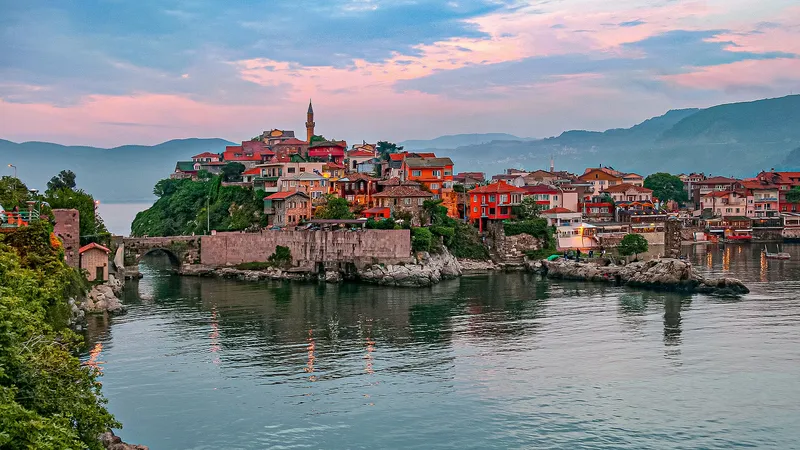
Sighnaghi rewards a particular kind of traveller and frustrates others, so it pays to be honest about the trade-offs. The setting is genuinely beautiful, the pace is calm and the wine culture is rich and welcoming. What you give up is the infrastructure and buzz of a larger city, from fast reliable internet to nightlife and a ready-made nomad crowd. Think of it as a scenic slow base rather than a productivity or party hub. Weigh the peace and views against the quiet and the practical limits, and consider pairing it with regular trips to Tbilisi for anything the small town cannot provide. What the trade-offs list omits is what the town actually is. It was rebuilt to a plan in the late two-thousands as a heritage showpiece, with the facades restored and the streets repaved in a single programme, which is why it looks the way it does and why it can feel a little like a set on a quiet Tuesday. That is not a criticism so much as a description: the wine, the views and the hospitality are entirely real, and the town around them was tidied deliberately. Knowing that makes the place easier to read and rather more interesting than the postcard version.
- Pros: stunning valley and mountain views; rich Georgian wine culture; very walkable and calm; affordable; generous long-stay visa policy
- Cons: very small and quiet with little nightlife; limited internet reliability; tiny nomad community; sparse village transport; cold, sleepy winters
Who Sighnaghi Is For
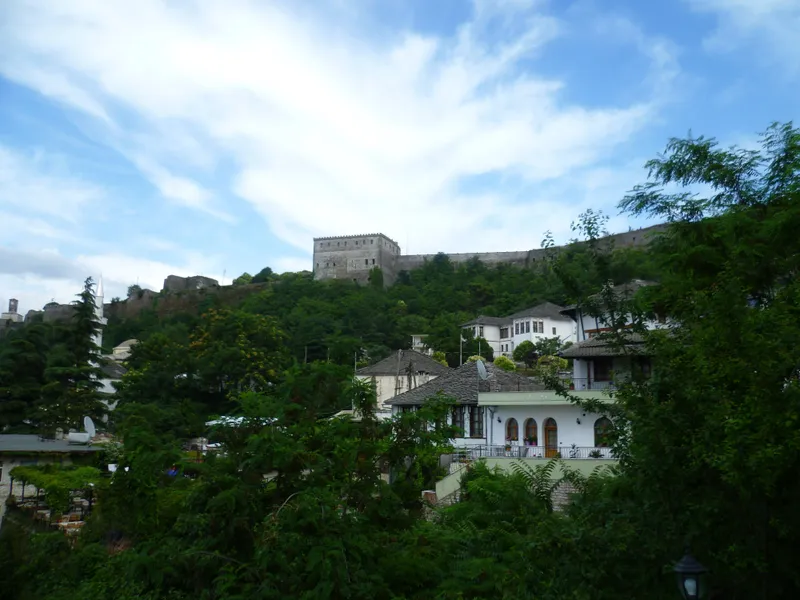
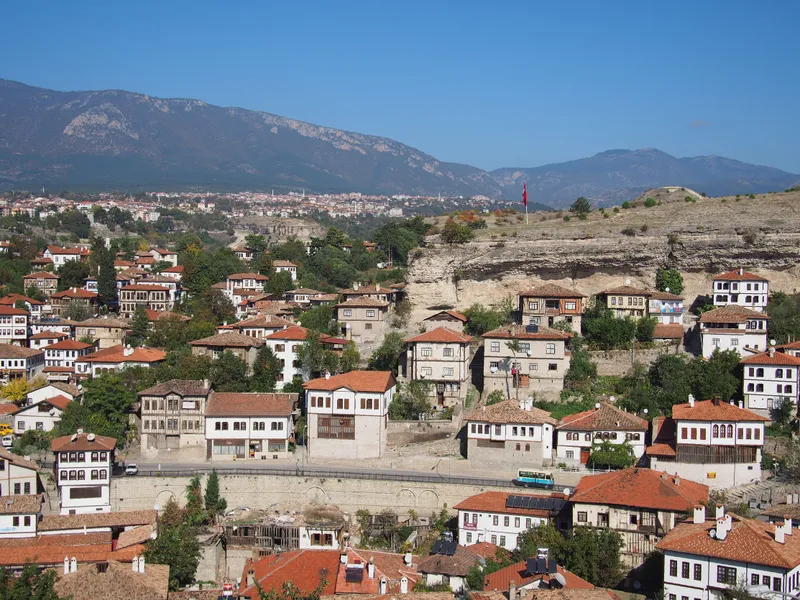
Sighnaghi suits the slow-travel nomad who values scenery, calm and culture over speed and social scale. If you want to write, plan, recharge or simply live among vineyards and red-roofed houses with the Caucasus on the skyline, it is a wonderful base. Wine lovers, couples and anyone drawn to Georgia's warm hospitality will feel at home. It is a poorer fit if you need dependable high-speed internet every day, a lively nightlife, or a large community of fellow remote workers to plug into. Many people enjoy it best as a restful chapter within a wider Georgia trip, balanced with time in busier Tbilisi. Give it a month first and most people who fall for it end up staying two, usually timed to the harvest. Base yourself in the town and hire a driver for one day a week rather than trying to reach the villages by bus. Learn the toast; the supra is the social institution here and a foreigner who takes it seriously is treated completely differently from one who treats it as a photo opportunity. And accept that you will drink more than you planned, because refusing is harder than it sounds.