Cost of Living in Swakopmund
Where this figure comes from. No cost survey covers Swakopmund, so the $900 a month above is our own estimate rather than a measurement. On 416 of our 999 city guides the figure is built from a published Numbeo basket, a one-bedroom rent in the centre plus one person's monthly costs without rent, converted to USD; this city is not one of them. How we source everything.
Swakopmund is one of the more affordable coastal towns you will find, and a comfortable month here tends to land somewhere between $800 and $1,100 for a single nomad. These figures are editorial estimates rather than fixed prices, so treat them as a rough guide. Rent is the biggest variable: a small furnished flat near the seafront costs more than a room inland. Groceries are reasonable, German-style bakeries and cafes are a daily pleasure, and eating out at a mid-range restaurant stays gentle on the budget. Fuel and the occasional adventure trip are where costs climb, so build in a little slack for the dunes and desert excursions. Fuel and uranium move a budget here more than rent does. Everything in this country sits a long way from everything else, so a fortnight with a hired vehicle and a full tank can outrun a month of accommodation, and the desert trips people come for are exactly the expensive kind. The mines out behind the town are the other factor: they employ a well-paid workforce that lives here on shift rotation, and that holds up the middle of the rental market in a way tourism does not. Prices are quoted in Namibian dollars, and South African notes are accepted everywhere at par.
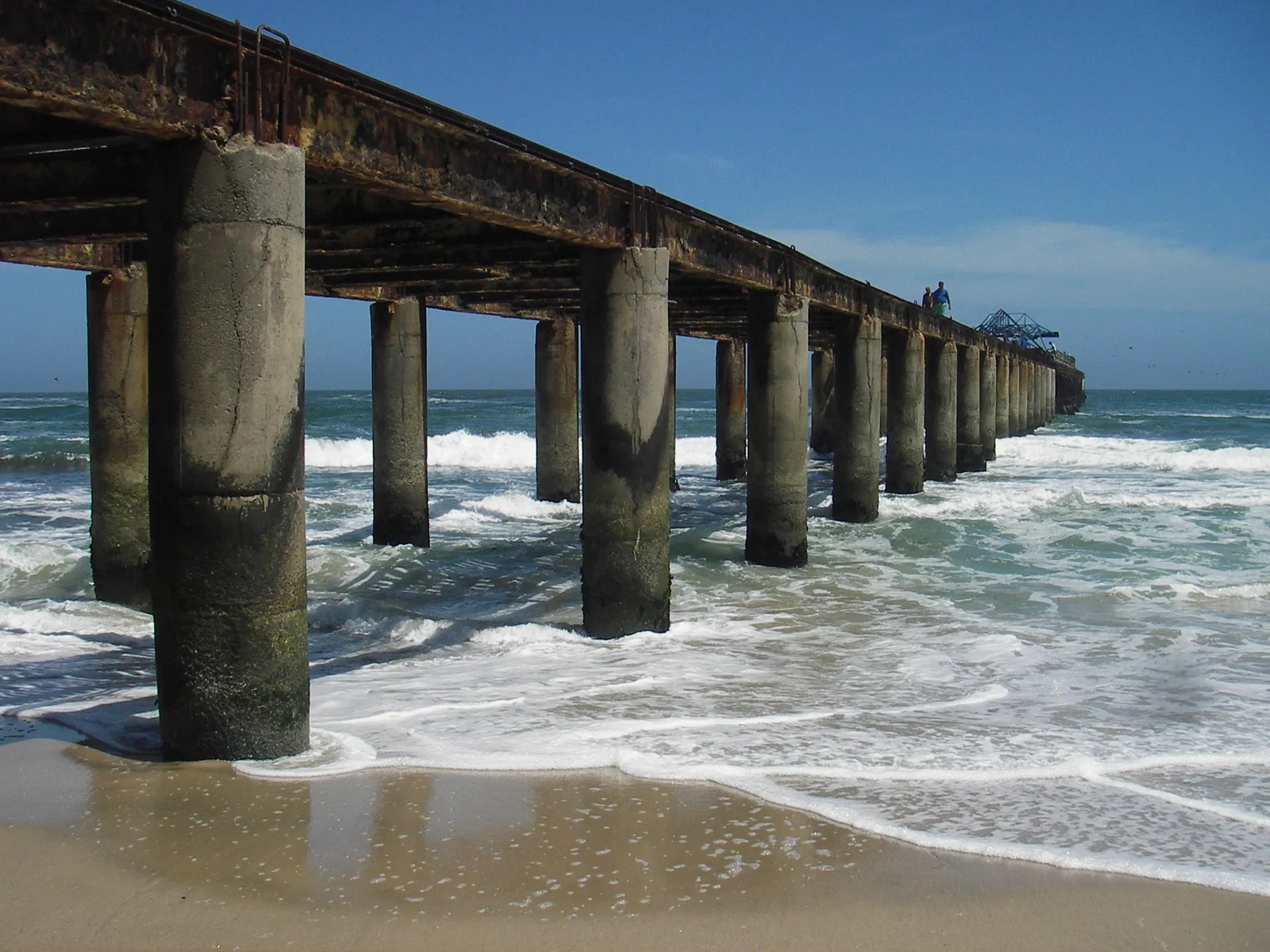
- Furnished one-bed flat: roughly $400 to $600 a month, more near the Mole and jetty.
- Groceries for one: around $200 to $280 a month at local supermarkets.
- Meal at a mid-range restaurant: about $8 to $14 per person.
- Coffee and a bakery pastry: roughly $3 to $5, a genuine local ritual.
Where to Work in Swakopmund
Swakopmund is a small, calm town rather than a buzzing hub, so expect a handful of good cafes rather than a dedicated coworking scene. The town Centre around the Mole and jetty has several German-style bakeries and coffee houses with reliable seating, and a number of guesthouses offer decent desks and quiet corners for guests staying a while. Wifi is generally serviceable but not blazing, so a local SIM with mobile data is a sensible backup for calls and uploads. Load-shedding has stopped being a factor here. Namibia makes roughly half of its electricity at home, much of it at the Ruacana hydro station, and imports the rest, mainly from South Africa and Zambia. Ordinary outages still happen, so save often and keep a hotspot handy. The upside is a peaceful, distraction-light setting with sea air just outside the window. Fog is the thing that organises a day here. The cold current running up this coast chills the moist air above it, which rolls inland most mornings, so a summer day can start grey at fifteen degrees while the desert twenty kilometres inland sits at forty. It usually burns off by midday and sometimes does not. A room with good light therefore matters more than a room with a view.
Getting Around Swakopmund
Swakopmund is compact, flat and walkable, so most of your daily errands, cafes and the seafront are an easy stroll from the Centre. The town is laid out on an orderly grid, which makes finding your way pleasantly simple. For longer hops there are shared taxis and a growing number of ride options, though services are informal compared with a big city. Many nomads hire a car, which unlocks Walvis Bay, Sandwich Harbour and the wider Namib desert on your own schedule. Cycling works well in town when the coastal fog lifts. Windhoek, the capital, sits about four hours inland by a good tarred road. The road south is the one you will use most, and it helps to know what it is. Thirty kilometres of coastal highway between the dunes and the ocean, with a lagoon full of flamingos at the far end and the country's only deep-water port beside them; that town was a South African enclave until 1994, which is why it still feels administratively separate. Going the other way, the surfaces turn to salt and gravel quickly as the Skeleton Coast begins, so read what your hire agreement actually permits before driving north, because most of them exclude the worst roads.
Sorting transport? Book an airport transfer, or compare car rental on Auto Europe and QEEQ.
Visas for Swakopmund
Namibia is one of the more welcoming countries in the region for short stays. Namibia withdrew the visa exemption from thirty-three nationalities on 1 April 2025 on reciprocity grounds, among them British, German, French, American, Canadian, Australian and Japanese passports. Those travellers now buy a visa on arrival for about $97, or apply for an e-visa beforehand. Typical tourist stays are granted for up to 90 days, which suits a medium-length working trip nicely. There is a dedicated digital nomad visa, introduced in 2022: six months, with a stated income floor of $2,000 a month, plus $1,000 for an accompanying spouse and $500 per child, and a fee of about $200 once the NIPDB approves the application. Keep proof of onward travel and accommodation handy. The practical detail is where you get it. The visa on arrival is genuinely available at the main entry points, but it means a queue and a payment at a counter after a long flight, so applying for the e-visa in advance is the better path if you have the time. Keep the receipt. Note too that a tourist entry allows no work inside the local economy, and for a remote worker the test is where the client sits rather than where the laptop does.
Best Time to Visit Swakopmund
Swakopmund has an unusual climate for Africa: a cool coastal desert where the cold Atlantic keeps things mild rather than hot all year. Fog and low grey cloud are common in the mornings, often burning off by midday, so pack layers even in summer. The warmer, clearer months run roughly from December to March, when Namibians flock here to escape the inland heat, so the town is at its liveliest and busiest. April to October is cooler and quieter, with more overcast days but fewer crowds and easier accommodation. Whenever you come, evenings are brisk, so a jacket earns its place in your bag. The seasonal logic here is inverted, and it catches people twice. The coast is at its coldest when the interior is at its hottest, because the same inland heat is what pulls the sea fog ashore, so the warmest air this town gets arrives alongside its greyest mornings. The second inversion is the water. The current running along this shore comes up from the far south and stays cold the whole year, so a swim is short and shocking in February much as in July, and the beach here is somewhere to walk rather than somewhere to bathe.
Pros and Cons of Swakopmund
Swakopmund is a genuine one-off: a tidy German-flavoured seaside town wedged between towering orange dunes and a cold ocean, calm, safe and full of adventure on its doorstep. It suits nomads who want desert landscapes, fresh sea air and a slower pace. The trade-offs are real, though. The remote-work community is tiny, connectivity is decent rather than fast, and the frequent fog and grey skies can feel gloomy if you crave sunshine. Nightlife is low-key and the town is small, so extroverts may tire of it. Weigh the quiet against the scenery and you will know quickly whether it fits. That description leaves something large out, and it should not be left out. The place was founded in 1892 as the harbour of German South West Africa, and between 1904 and 1908 the colonial administration carried out what is now recognised as the twentieth century's first genocide, against the Herero and Nama. This town held one of the concentration camps, thousands died here, and there are mass graves in it. Germany formally acknowledged the genocide in 2021 and offered development funding, which many Herero and Nama representatives rejected as inadequate. Knowing that is what lets you read the architecture you are photographing, and notice who lives in the centre and who lives in Mondesa.
- Pros: striking dune-and-ocean scenery, adventure-sports capital, safe and orderly, affordable, German bakeries and cafes, English widely spoken.
- Cons: tiny nomad community, frequent fog and overcast skies, modest wifi and occasional power cuts, quiet nightlife, remote from major airports.
Who Swakopmund Is For
Swakopmund is made for the nomad who values landscape and calm over buzz and speed. If your idea of a good base is quad-biking or sandboarding the world's oldest dunes at the weekend, then working from a quiet cafe with a flat white and a fresh pastry through the week, you will feel right at home. It rewards independent, self-directed travellers who do not need a big social scene and are happy to make their own fun. Adventure lovers, photographers and desert romantics will adore it. Those who need fast fibre, constant sunshine, lively nightlife or a large coworking crowd will likely find it too sleepy for a long stay. Three months is the length that suits this place, and autumn into winter is the half of the year to take, when the visitors have gone and the rates drop. Hire a car for a fortnight rather than the whole stay, because the desert is the reason to be here and daily parking is not. Learn which side of town you are on: the centre is compact and expensive, the townships are where most of the population actually lives, and a stay that never crosses between them has seen about a third of the place.