Cost of Living in Dakar
Real market data
Source: Numbeo · August 2026
$1,490/moSolo nomad1-bed centre + living costs
$2,010/moCoupleshared 1-bed + costs
$1,100/moLean / localcheaper area + costs
- 1-bed rent, city centre$830XOF 475,000
- 1-bed rent, outside centre$440XOF 252,600
- Monthly costs excl. rent (1 person)$660XOF 373,451
- Meal, inexpensive restaurant$5XOF 3,000
- Monthly transit pass$79XOF 45,000
- Buy price, per m² (centre)$5,020XOF 2,860,000
Prices are from Numbeo (August 2026), converted to USD at $1 = 569.83 XOF (01 Aug 2026). The monthly living-costs figure is our transparent one-person basket, groceries, a few meals out, utilities, phone, internet, transport and essentials, priced from those figures. Solo adds central rent; couple and lean are estimates from the same numbers.
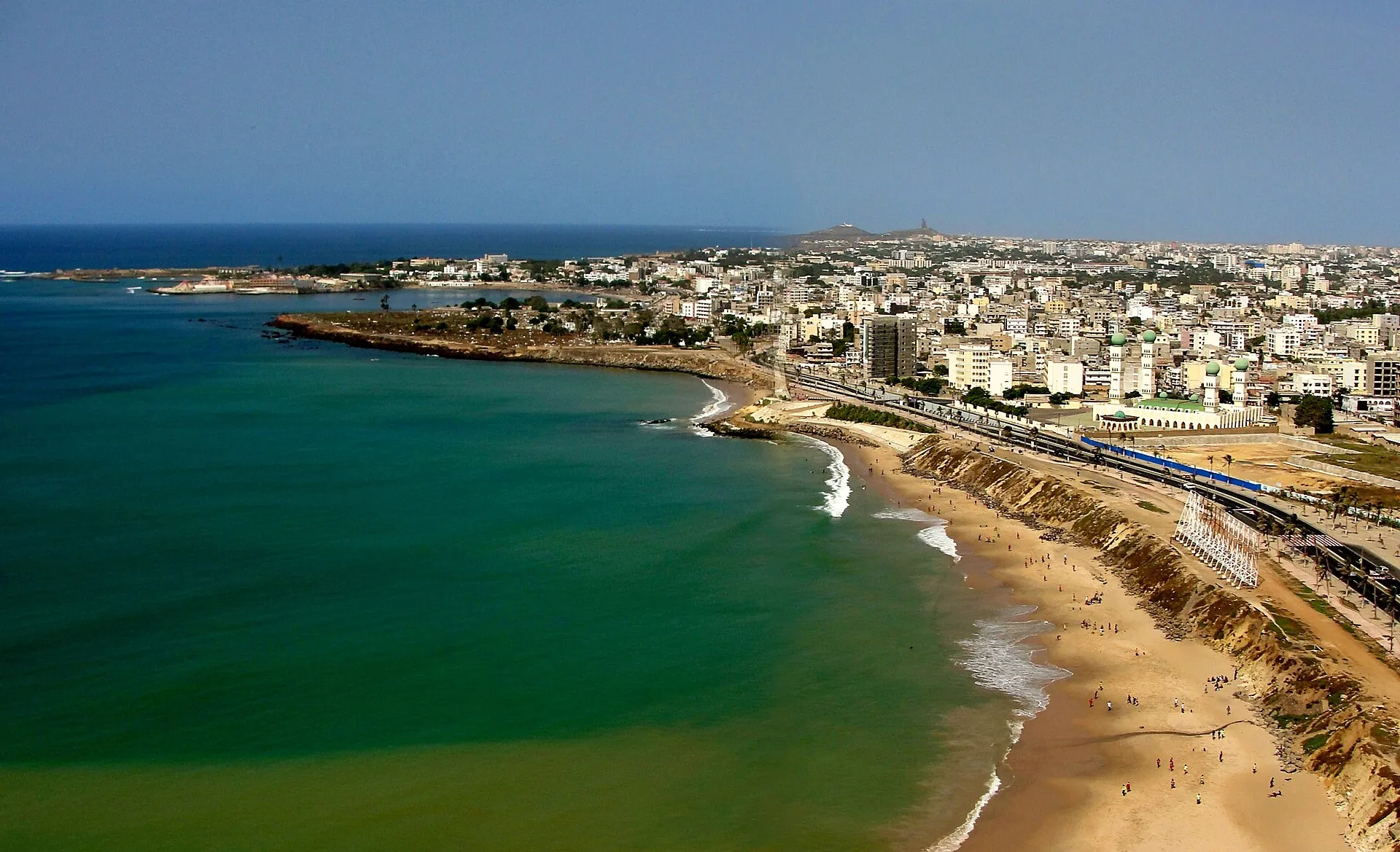
Dakar sits at the affordable end of the spectrum for a capital city, though costs vary sharply depending on where you live and how you eat. The local currency is the West African CFA franc (XOF), pegged to the euro.
A furnished one-bedroom apartment in central areas like Plateau or Mermoz runs $525-1,050/month. Push further out toward Grand Dakar or Parcelles Assainies and you can find decent flats for $265-440/month. Monthly groceries from local markets cost $35-70 if you cook Senegalese staples like rice, fish, and vegetables. Western-style supermarkets double that figure. A meal at a local dibiterie or rice-and-fish spot costs $4.50-7; a sit-down restaurant meal in a mid-range expat-friendly place is $18-35. A coworking hot desk runs roughly $105-175/month. Local transport by car rapide or dakar dem dikk bus costs $0.50-1 per ride; a monthly pass is around $79.
- Budget total (local lifestyle, cheaper area): $615-965/month
- Comfortable total (central flat, coworking, mixed dining): $1,320-2,110/month
Where to Work
Dakar has a legitimate and growing coworking scene, driven partly by its regional tech and startup ecosystem. Jokkolabs (Sacré-Coeur 3) is one of the first coworking spaces in Africa, established in 2010, and remains a solid community-focused option with reliable fiber internet. Impact Hub Dakar (Keur Gorgui area) offers a professional environment with meeting rooms and a strong entrepreneur network. AfricaWorks Dakar (Route de Ouakam, near Point E) is the most polished option, with serviced offices, dedicated desks, and premium amenities. Diallo Cowork in Almadies caters to an international crowd with air conditioning, fiber optic internet, and services like translation and business address.
Cafe-work culture exists but is more limited than in Southeast Asia. Spots like Kotao Coffee (Almadies and Plateau locations) attract laptop users and offer decent WiFi, but many traditional cafes are not set up for long sessions. Mobile data on Orange or Yas (the network formerly called Free) SIM cards is affordable and widely available as a backup, though speeds are inconsistent outside the business districts. Power cuts happen, especially in the rainy season, so coworking spaces with generators are a meaningful advantage.
Getting Around
Dakar is notorious for traffic congestion, and this is not an exaggeration. The peninsula geography funnels everything through a handful of roads, and rush hours can turn a 5 km journey into a 45-minute crawl. For day-to-day movement, the cheapest option is the public bus network (Dakar Dem Dikk) or the car rapide minibuses, but both are slow and crowded. Official yellow taxis are plentiful and cheap by Western standards; they have no meters, so agree on the fare before you get in. Ride-hailing apps (Yango and Heetch operate in Dakar) are more reliable for consistent pricing. Almadies, Ngor, and Plateau are walkable within their own neighborhoods, but walking between major districts is neither practical nor advisable after dark.
Blaise Diagne International Airport (DSS) replaced the old Leopold Sedar Senghor Airport and sits about 45 km from central Dakar. The drive takes 45-90 minutes depending on traffic and time of day. Official taxi fares run $26-44; budget services cost less. There is no direct rail link to the airport yet, though a BRT corridor expansion is planned. The way to beat rush hour on the main axis is Sunu BRT, an all-electric bus rapid transit system with its own dedicated lanes and feeder routes, which keeps moving while taxis on the same roads sit in the jam.
Sorting transport? Book an airport transfer, or compare car rental on Auto Europe and QEEQ.
Visas and Staying Long-Term
Senegal is generous on entry. Citizens of the USA, UK, Canada, most EU countries and most West African ECOWAS nations enter visa-free for up to 90 days; Norway, Australia and New Zealand are not on the exemption list. Most other passport holders can get a visa on arrival at Dakar's international airport for a short stay, or apply in advance for a tourist visa allowing up to 90 days. There is no dedicated digital nomad visa for Senegal as of mid-2026. To stay beyond 90 days, you apply for a foreigner's identity card at the Direction de la police des étrangers et des titres de voyage in Dakar before your 90 days run out. Visa runs to a neighboring country and returning are also common.
Best Time to Visit
Dakar has two seasons: a dry season from November to May and a rainy season from June to October. For remote work, November through February is the sweet spot. Temperatures stay comfortable around 22-27 degrees Celsius, humidity is low, skies are clear, and the harmattan wind (dry, dusty air from the Sahara) is manageable. March and April remain pleasant but get warmer. May brings rising heat and occasional humidity before the rains arrive. The rainy season (July and August especially) brings heavy downpours, intense humidity, flooding in parts of the city, and occasional power outages that disrupt work. It is also the low season for tourism, which means lower accommodation prices and a quieter city if that appeals to you. This autumn has an unusual fixture: Dakar hosts the Youth Olympic Games from 31 October to 13 November 2026, the first Olympic event ever held in Africa, with venues spread across Dakar, the new hub at Diamniadio and the beach resort of Saly. Expect accommodation near the venues to be in short supply for those two weeks, and book early or arrive after the closing ceremony.
Pros and Cons
Pros
- Very affordable cost of living, especially outside the expat enclaves
- Warm, genuinely welcoming culture rooted in the Senegalese concept of teranga (hospitality)
- Rich food scene with fresh seafood and flavorful Senegalese cuisine
- Growing tech and startup ecosystem with real coworking infrastructure
- Visa-free access for most Western passport holders for 90 days
- English increasingly spoken in professional and coworking environments
- Atlantic coast beaches and the relaxed Almadies neighborhood for downtime
Cons
- Traffic congestion is severe and unavoidable without careful scheduling
- WiFi reliability outside coworking spaces is inconsistent
- Power cuts are a real risk, particularly during the rainy season
- English fluency is low outside business and tourist areas; French and Wolof dominate
- Petty theft and bag-snatching are common in crowded areas and on the Corniche
- Air quality can suffer during the harmattan season (January-March)
- No nomad visa; 90-day entry limit requires planning for longer stays
Who Dakar Is Best For
Dakar suits nomads who want an authentic West African urban experience without sacrificing basic coworking infrastructure. If you are drawn to a city with real cultural depth, great food, and low costs outside the tourist bubble, and you are comfortable operating partly in French, Dakar rewards you. It works especially well for people connecting with Africa's startup and creative scenes, those on a longer trip through West Africa, or nomads who want a base that is genuinely different from the Bangkok-Lisbon-Medellin circuit.
Skip Dakar if you need rock-solid, always-on internet for video calls or large file transfers without a reliable coworking membership in hand, if traffic stress drains your productivity, or if operating in a non-English environment feels like too steep a daily overhead. It is also not the best fit for nomads who want a polished digital nomad community with organized meetups and peer networking; that infrastructure exists but is thinner here than in more established nomad hubs. Surfers have a reason of their own: the reef break off Ngor Island, a short pirogue ride from Ngor beach, starred in the 1966 film The Endless Summer and still draws boards every winter.