Cost of Living in Sigiriya
Where this figure comes from. No cost survey covers Sigiriya, so the $700 a month above is our own estimate rather than a measurement. On 416 of our 999 city guides the figure is built from a published Numbeo basket, a one-bedroom rent in the centre plus one person's monthly costs without rent, converted to USD; this city is not one of them. How we source everything.
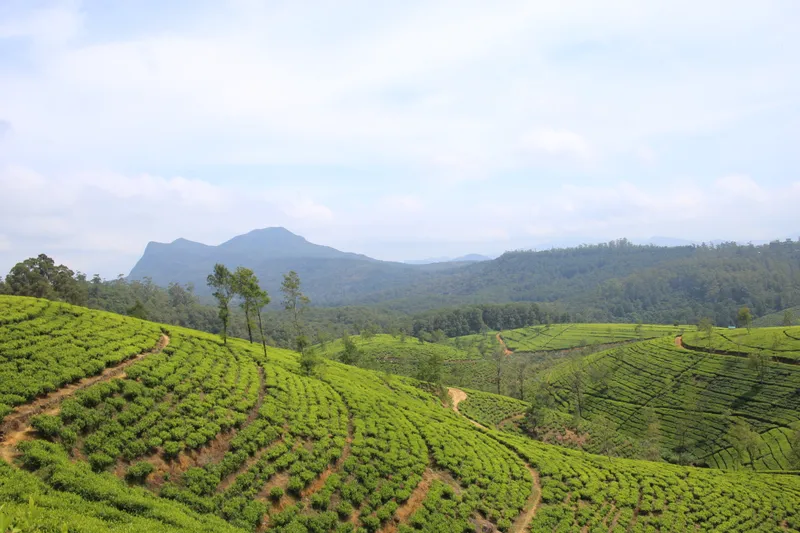
Sigiriya is one of the most affordable bases a nomad can find, precisely because it is a small rural village rather than a city. Most visitors stay in family-run guesthouses set among paddy fields and jungle, eat local rice and curry, and get around by bicycle or tuktuk. A comfortable slow-travel month here typically lands between 500 and 1,000 US dollars for one person, with the low end very achievable if you stay in a simple guesthouse and eat where locals eat. Longer stays usually unlock better monthly rates than nightly rack prices. The one genuinely expensive line item is the Sigiriya rock entrance fee for foreigners, which is steep compared to everything else, though you only pay it when you climb.
- Guesthouse room, monthly or negotiated long-stay: roughly 250 to 500 USD
- Local rice and curry or kottu meal: about 2 to 5 USD
- Tuktuk hops around the village and to Dambulla: a few dollars each
- A local SIM with generous data: well under 10 USD
- Sigiriya rock foreigner entrance ticket: a significant one-off cost, budget for it
Where to Work in Sigiriya
A village that lives off one rock and the people who climb it has had little reason to build desks, so Sigiriya has no true coworking space and nothing that works as a hub. Connectivity is variable across the village, and some guesthouses have far better wifi than others, so vet this directly before booking. The most reliable approach is to buy a local Dialog or Mobitel SIM with a large data package on arrival and lean on mobile data as your primary connection, tethering to your laptop when guesthouse wifi wobbles. Coverage in and around the village is generally usable for email, calls, and light tasks, but plan for occasional dropouts and power cuts. If your work needs rock-solid, high-bandwidth video calls all day, Sigiriya suits a lighter workload or a genuine slow-down rather than a heavy remote job.
- Ask your guesthouse for real wifi speeds and whether it holds up in the evening
- Buy a Dialog or Mobitel SIM at the airport or in Dambulla for backup data
- Nearby Dambulla town has more cafes and steadier connections if you need them
- Keep a power bank charged for outages
Getting Around Sigiriya
The village itself is small and walkable, and many guesthouses lend or rent bicycles, which are perfect for pedalling between paddy fields, the Sigiriya tank, and the base of the rock. Tuktuks are everywhere for short hops and are cheap, and some travellers rent a scooter for more freedom. The rock and neighbouring Pidurangala are both climbed on foot. For anything beyond the village, the nearby town of Dambulla, roughly 15 kilometres away, is the real transport hub, with frequent buses toward Kandy, Colombo, Anuradhapura, and Polonnaruwa. For Cultural Triangle sightseeing, hiring a trusted local driver for the day is comfortable and good value, letting you string together the cave temples, an elephant safari, and ancient cities without wrestling bus timetables.
- Bicycles and walking for the village and paddy backroads
- Tuktuks for cheap short trips; scooter rental for independence
- Dambulla, about 15 km away, for onward buses to major cities
- A hired driver for full-day Cultural Triangle loops
- Climb the rock early on foot to beat the heat and the crowds
Sorting transport? Book an airport transfer, or compare car rental on Auto Europe and QEEQ.
Visas for Sigiriya
Sigiriya follows Sri Lanka's national entry rules, so there is nothing local to arrange beyond your normal tourist visa. Most visitors arrive on the Electronic Travel Authorization, the ETA, which is applied for online before travel and grants a short tourist stay that can usually be extended in-country. The tourist ETA runs for thirty days with a double entry, counted from your first arrival, so a quick flight out to the Maldives or to Chennai and back fits inside the same authorisation instead of needing a fresh application, which makes a Cultural Triangle stay easy to split around a side trip.
- Most nomads enter on the tourist ETA arranged online in advance
- Rules, fees, and free-transit schemes have changed recently
- Extensions are typically possible in-country for longer stays
- Use the official Sri Lankan immigration site, not third parties
Best Time to Visit Sigiriya
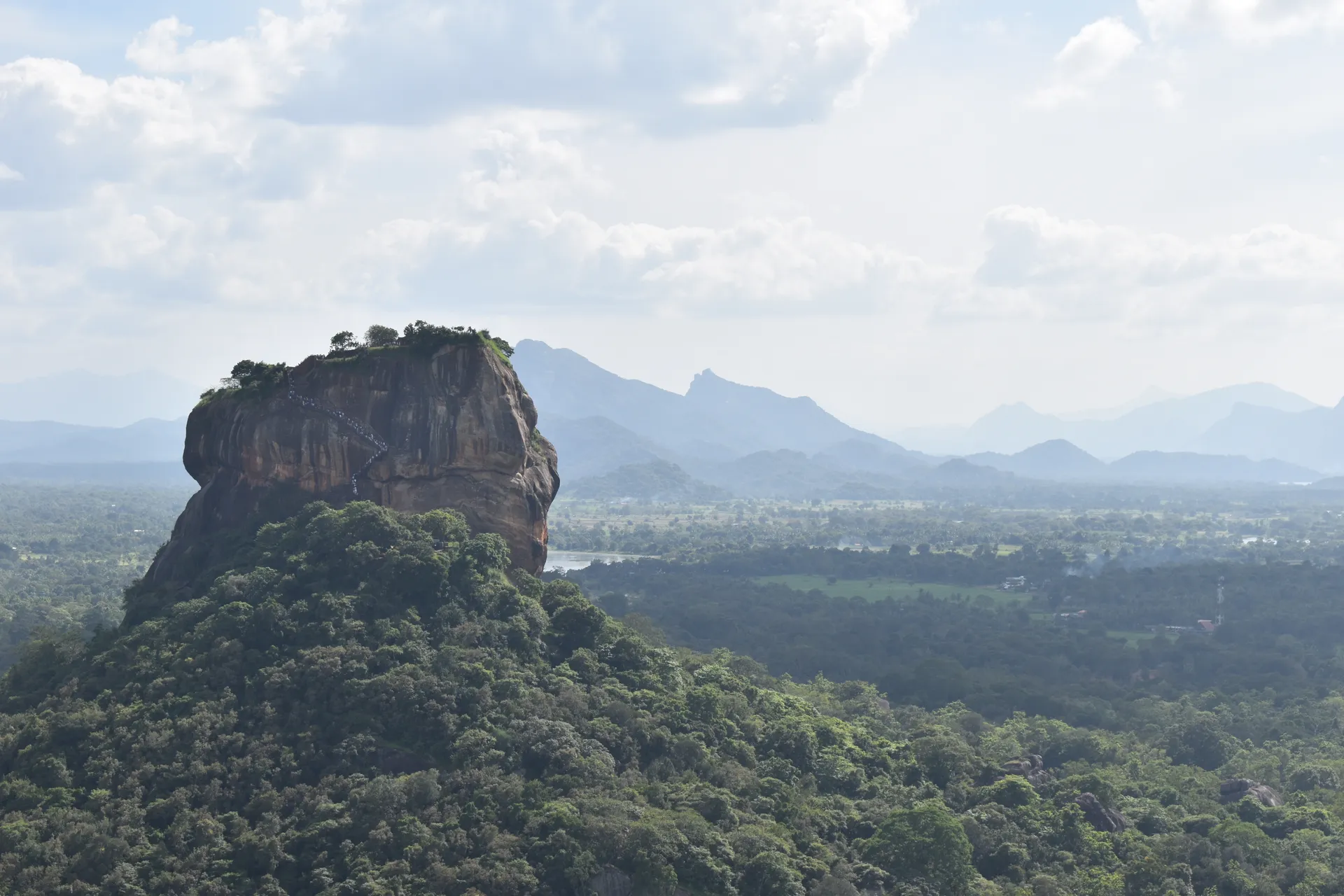
Sigiriya sits in Sri Lanka's dry cultural heartland and is hot year-round, so the calendar is more about rain than temperature. The dry season, roughly December through April, is the most comfortable window, with clearer skies for climbing and photography and easier day trips across the Cultural Triangle. The inter-monsoon and monsoon months bring heavier showers, usually in bursts rather than all day, and turn the surrounding paddy and jungle a vivid green that many travellers love. Whenever you come, climb the rock early in the morning: you beat the worst of the heat, dodge the tour crowds, and catch soft light over the water gardens. Carry water, sun protection, and a hat, since there is little shade on the ascent. Timing matters because of numbers: around a million people a year visit the rock, nearly all of them funnelled up the one stairway on its 180-metre face, while Pidurangala, a kilometre to the north, is the quieter climb and the one with the classic view of Sigiriya itself.
- December to April: driest and most comfortable, peak conditions
- Monsoon and inter-monsoon: rainier but lush, green, and quieter
- Hot and humid all year, so pace yourself and hydrate
- Start the climb at opening to avoid heat and busloads of visitors
Pros and Cons of Sigiriya
Sigiriya's appeal is unusual for a nomad destination: you wake up beside one of the world's great archaeological wonders, surrounded by jungle, paddy, and wild elephants, at a cost that barely dents a remote income. The pace is slow, the people are warm, and English is widely understood, which makes daily life easy. The trade-offs are equally clear. This is a rural village with basic infrastructure, variable wifi, near-zero nightlife, and only a tiny, transient nomad scene, so it rewards independent, self-directed travellers rather than those wanting community and buzz. The steep foreigner rock fee and the heat are minor frustrations. Judge it as a cultural and nature retreat, not a productivity capital, and it delivers extraordinary value.
- Pros: astonishing heritage, rich nature, very low cost, friendly and English-friendly locals
- Pros: calm, safe, and deeply restorative for slow travel
- Cons: variable wifi, basic infrastructure, and frequent power cuts
- Cons: essentially no nightlife and only a tiny nomad community
- Cons: hot year-round and a steep foreigner entrance fee for the rock
Who Sigiriya Is For
Sigiriya is for the culturally curious, nature-loving nomad who can uncouple work from constant connectivity and genuinely wants to slow down. If you dream of finishing a light morning of work and spending the afternoon among ancient frescoes, cave temples, and elephant safaris, this village will feel like a gift. It suits writers, researchers, photographers, and anyone on a flexible or reduced schedule who values calm, heritage, and jungle over cafes and coworking. It is a poor fit for anyone who needs reliable high-speed internet all day, a lively social scene, or an established nomad community, since none of those exist here in any real form. Come for a meaningful, affordable, and quiet chapter, ideally as one stop within a broader Sri Lankan loop. Writers will appreciate one detail on the way up: the polished Mirror Wall carries more than 1,500 verses scratched by visitors, 685 of them from the eighth to tenth centuries and deciphered by archaeologists, a visitors' book more than a thousand years old.
- Great for slow travellers, culture and history lovers, and nature seekers
- Great for light or asynchronous workloads that tolerate patchy wifi
- Not for heavy remote workers needing constant fast internet
- Not for those wanting nightlife or a built-in nomad crowd