Cost of Living in Pondicherry
Real market data
Source: Numbeo · August 2026
$370/moSolo nomad1-bed centre + living costs
$490/moCoupleshared 1-bed + costs
$240/moLean / localcheaper area + costs
- 1-bed rent, city centre$210₹20,250
- 1-bed rent, outside centre$84₹8,000
- Monthly costs excl. rent (1 person)$160₹14,933
- Meal, inexpensive restaurant$3₹300
- Monthly transit pass$8₹800
- Buy price, per m² (centre)$970₹93,056
Prices are from Numbeo (August 2026), converted to USD at $1 = ₹95.52 (01 Aug 2026). The monthly living-costs figure is our transparent one-person basket, groceries, a few meals out, utilities, phone, internet, transport and essentials, priced from those figures. Solo adds central rent; couple and lean are estimates from the same numbers.
Pondicherry is one of the gentler cities on a nomad's wallet. The measured basket for one person, rent included, runs about $240 to $370 a month depending on whether the flat sits outside the centre or in it, and that is the figure at the top of this page. Most foreign remote workers spend well above it, nearer $600 to $900, and the gap is almost entirely French Quarter rent, imported groceries and eating in cafes rather than canteens. Rent is the biggest variable: a room in a guesthouse or a small furnished flat in Tamil Town costs far less than a restored heritage villa in the French Quarter, where prices climb steeply. Local Tamil meals and market produce are cheap, while French-leaning cafes and Auroville boutiques charge more. Scooter hire, filter coffee and canteen thalis keep daily spending low. These figures are editorial estimates and shift with season, neighbourhood and how often you eat out. What lifts a foreign budget above the local one is mostly which side of the canal you sleep on. The grid east of it is owned in large part by the ashram and priced for its heritage; an equivalent flat three streets west costs a fraction of the same space. Alcohol is the other line, taxed here far below the state around it.
- Furnished room or small flat: roughly 200 to 400 US dollars per month, higher in White Town.
- Local thali or Tamil meal: often under 3 US dollars at a canteen.
- Cafe lunch in the French Quarter: closer to 6 to 10 US dollars.
- Scooter hire: commonly 5 to 8 US dollars a day, cheaper monthly.
Where to Work in Pondicherry
Pondicherry is not a dense co-working hub, but it works well for a quiet remote routine. A handful of cafes along and behind the French Quarter offer decent tables, strong coffee and enough reliability for calls, while several guesthouses and boutique stays provide desks and steady connections. Auroville, a short ride out, has a more deliberate community-and-focus atmosphere with occasional shared spaces and meeting rooms. Many nomads simply base themselves in a flat with fibre broadband and treat cafes as a change of scene. Wi-Fi is generally usable rather than blazing, so a local SIM with mobile data is a sensible backup for video calls and deadlines. What needs planning around is not bandwidth but weather. This coast is rained on in the last quarter of the year rather than the middle of it, reversing the pattern most of the country follows, and a bad season means days of heavy rain, power cuts and a scooter you cannot use. A cyclone in 2011 brought down trees across the town and left the town without power for most of a week. Keep a battery pack that will actually charge a laptop rather than just a phone, and treat any deadline falling in November as one that needs a buffer built into it.
Getting Around Pondicherry
Pondicherry is compact and best explored on two wheels. Renting a scooter is the classic choice and lets you drift between White Town, the Grand Bazaar and the beaches at your own pace. The French Quarter's tidy grid is a genuine pleasure to walk, and the seafront Promenade closes to traffic each evening for a car-free stroll. Autorickshaws are plentiful for short hops, and app-based cabs operate for longer trips. Roads outside the old town are busier and more chaotic, so ride cautiously. Chennai, the nearest major airport and rail hub, sits about three hours away by road via regular buses and taxis. A geographical oddity is worth knowing before you plan any local travel. This is not one place: the union territory is four separate enclaves, this one plus Karaikal down the coast, Mahe over on the Kerala side of the peninsula and Yanam up in Andhra, administered together and each surrounded by a different state. Crossing into Tamil Nadu happens constantly and is invisible except at the liquor shops. What that means practically is that the territory is tiny, the state around it is not, and anything beyond Auroville involves a state bus or the road north.
Sorting transport? Book an airport transfer, or compare car rental on Auto Europe and QEEQ.
Visas for Pondicherry
Pondicherry follows Indian national visa rules, so there is no separate local permit. Most nomads arrive on India's e-Tourist Visa, applied for online before travel, which is convenient and issued in common short and longer-stay durations depending on nationality. It is a tourist visa, so it does not authorise local employment, though remote work for clients abroad sits in a familiar grey area many travellers occupy. Keep your onward plans, accommodation details and documents tidy, since immigration can ask for them, and note any registration rules for very long stays. The electronic visa has mechanics worth getting right. It runs for a fixed validity from the date it is granted rather than from the date you arrive, so applying too early simply burns weeks of it, and it is valid only for entry at a specified list of airports and seaports, which is why nearly everyone here flies into Chennai. Overstaying is handled by the Foreigners Regional Registration Office and involves a fine and an exit permit rather than a quiet word at the airport. Longer visa categories carry registration duties, so check which one you actually hold.
Best Time to Visit Pondicherry
Pondicherry has a hot tropical climate shaped by the northeast monsoon, which typically brings its heaviest rain roughly between October and December. The most comfortable window runs from around late December through February, when the humidity eases and evenings on the Promenade feel pleasant. March to May turns hot and sticky, testing anyone without air conditioning. The monsoon months can be atmospheric, with dramatic skies over Rock Beach, but downpours may disrupt scooter plans and beach days. For a longer stay, the cooler dry season offers the best balance of walkable weather, festivals and clear seafront evenings, though prices and crowds tick upward around the new-year peak. The calendar here runs on two traditions at once. Bastille Day is marked in the old colonial grid with a parade and veterans of the French army, a genuine survival of the 1962 settlement rather than a tourist invention, and a number of residents still hold French citizenship from it. Tamil festivals are the larger presence: Pongal in January fills the streets for four days and is the best week of the year to be here, and Karthigai Deepam in late autumn lights the whole town with oil lamps. Neither is scaled for visitors, which is exactly the point.
Pros and Cons of Pondicherry
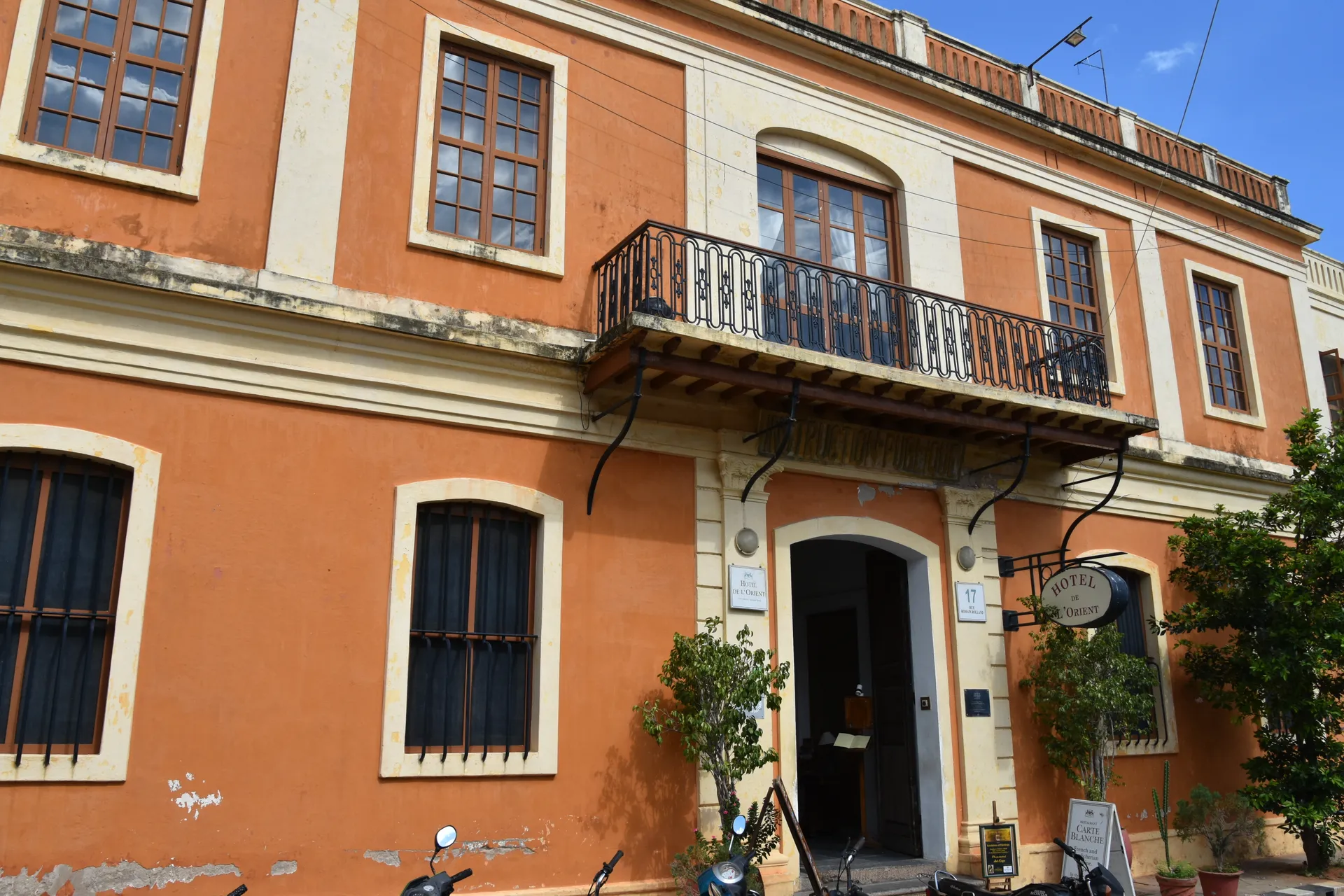
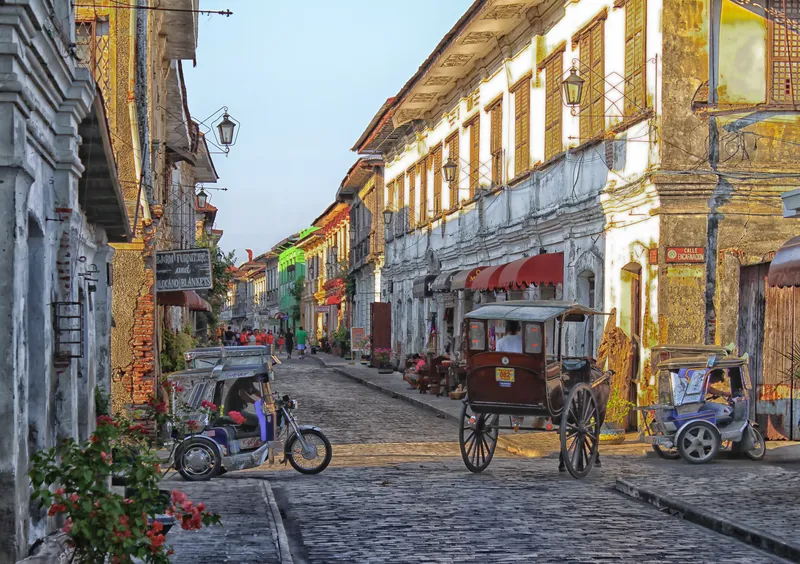
Pondicherry rewards nomads who want beauty, calm and a distinctive cross-cultural flavour rather than a buzzing scene. The French Quarter's pastel villas, bougainvillea and seafront make daily life photogenic and unhurried, the food blends Tamil and French influences, and English is widely spoken. Costs are low and Auroville adds a reflective, community-minded layer. The trade-offs are real: nightlife is limited, the dedicated remote-work community is small, Wi-Fi is merely adequate, and the summer heat plus monsoon rain can be draining. It suits slow travellers more than those chasing networking events or fast infrastructure. Weigh the serenity against the quiet before committing to a long stay. The township up the road deserves a fuller account than the serene one, because it has been in open conflict since 2021. Founded in 1968 for an intended fifty thousand people, it saw its governing Foundation begin implementing the long-dormant master plan four years ago, clearing forest for a ring road through land residents had spent decades planting. No environmental impact assessment was carried out. Residents fought it, won in the Madras High Court in 2024, and lost in the Supreme Court in March 2025, which confirmed the governing board as sole authority. Visiting remains straightforward, but a guide presenting the place as a tranquil commune is describing something that stopped being true.
- Pros: gorgeous walkable French Quarter, low cost of living, rich Tamil-French culture and cuisine, car-free seafront evenings, widely spoken English, calming Auroville nearby.
- Cons: limited nightlife, small nomad community, only adequate Wi-Fi, intense summer heat and monsoon rain, no nearby major airport, busy chaotic roads outside the old town.
Who Pondicherry Is For
Pondicherry is for the slow, reflective nomad who values atmosphere over acceleration. If you dream of cycling past mustard-yellow colonial villas, writing in a courtyard cafe, ending the day on a car-free promenade and dipping into yoga, meditation or the Auroville experiment, this coast will hold you happily for weeks. It suits creatives, writers, wellness-minded travellers and couples wanting an affordable, beautiful base in south India. It is a weaker fit for anyone who needs a large social scene, dependable ultra-fast internet, vibrant nightlife or frequent flights. Come for the calm, the culture and the light, and let the pace of Pondicherry set your own. Give it three months and take the cool season, which opens in late December. Live west of the canal rather than in the colonial grid unless the heritage is the entire point, because the rent difference runs to several times over and the walk between them is five minutes. Take a scooter on a monthly rate and a helmet that is not the one handed to you. And treat Chennai as the pressure valve: three hours up the coast, with the airport, the hospitals and the consulates, and knowing you can reach it by evening is what keeps a very small territory from feeling like a confinement.