Cost of Living in Mahabalipuram
Where this figure comes from. No cost survey covers Mahabalipuram, so the $600 a month above is our own estimate rather than a measurement. On 416 of our 999 city guides the figure is built from a published Numbeo basket, a one-bedroom rent in the centre plus one person's monthly costs without rent, converted to USD; this city is not one of them. How we source everything.
Mahabalipuram is cheap by nomad standards, cheaper than Goa or Chennai, but the tourist strip around Othavadai Street inflates prices compared to a "real" Tamil town. A simple guesthouse room runs roughly $7.50 to $16 a night, while a nicer beach-facing room or a small serviced apartment lands closer to $21 to $42. A thali or South Indian meal at a local spot is $1 to $1.50, while a seafood dinner or Western-style cafe meal on the tourist strip can hit $4 to $7.50. Groceries at the small shops and the weekly market are inexpensive, though imported goods (good olive oil, specific snacks) cost more and require a trip to Chennai. Fresh coconut water, fruit, and street food are all under $0.50. A month here, staying modestly and eating mostly local, is realistically doable on $260 to $420 excluding flights, more if you want AC, reliable wifi upgrades, and beachfront comfort. Autos and scooters are cheap to rent or hire, so transport rarely dents the budget. Overall this is a budget-friendly base, not a luxury one, and bargaining is expected with hawkers and auto drivers.
Where to Work in Mahabalipuram
Mahabalipuram is not a coworking hub. There is no dedicated coworking space in town as of this writing, so most remote workers piece together a routine from cafes on and around Othavadai Street that offer wifi and plug sockets to paying customers, plus guesthouse rooms with their own connection. Cafe wifi is usable for email, messaging, and light browsing, but it is inconsistent for video calls, large uploads, or anything bandwidth-heavy, especially during peak lunch hours or when the power flickers. Mobile data (Jio, Airtel) is the more reliable fallback and many nomads work primarily off a phone hotspot with a local SIM, which is inexpensive and covers most of town and the ECR corridor reasonably well. Power cuts happen, particularly in the shoulder and monsoon months, so a stable setup means backup battery or power bank plus a data SIM as insurance, not relying on any single cafe's wifi and mains power. If you need dependable fiber-grade internet for daily video calls, Chennai (about 2 hours north) has real coworking spaces and better infrastructure; some nomads split time, basing in Mahabalipuram for cost and calm and doing occasional Chennai runs for connectivity-heavy work weeks.
Getting Around Mahabalipuram
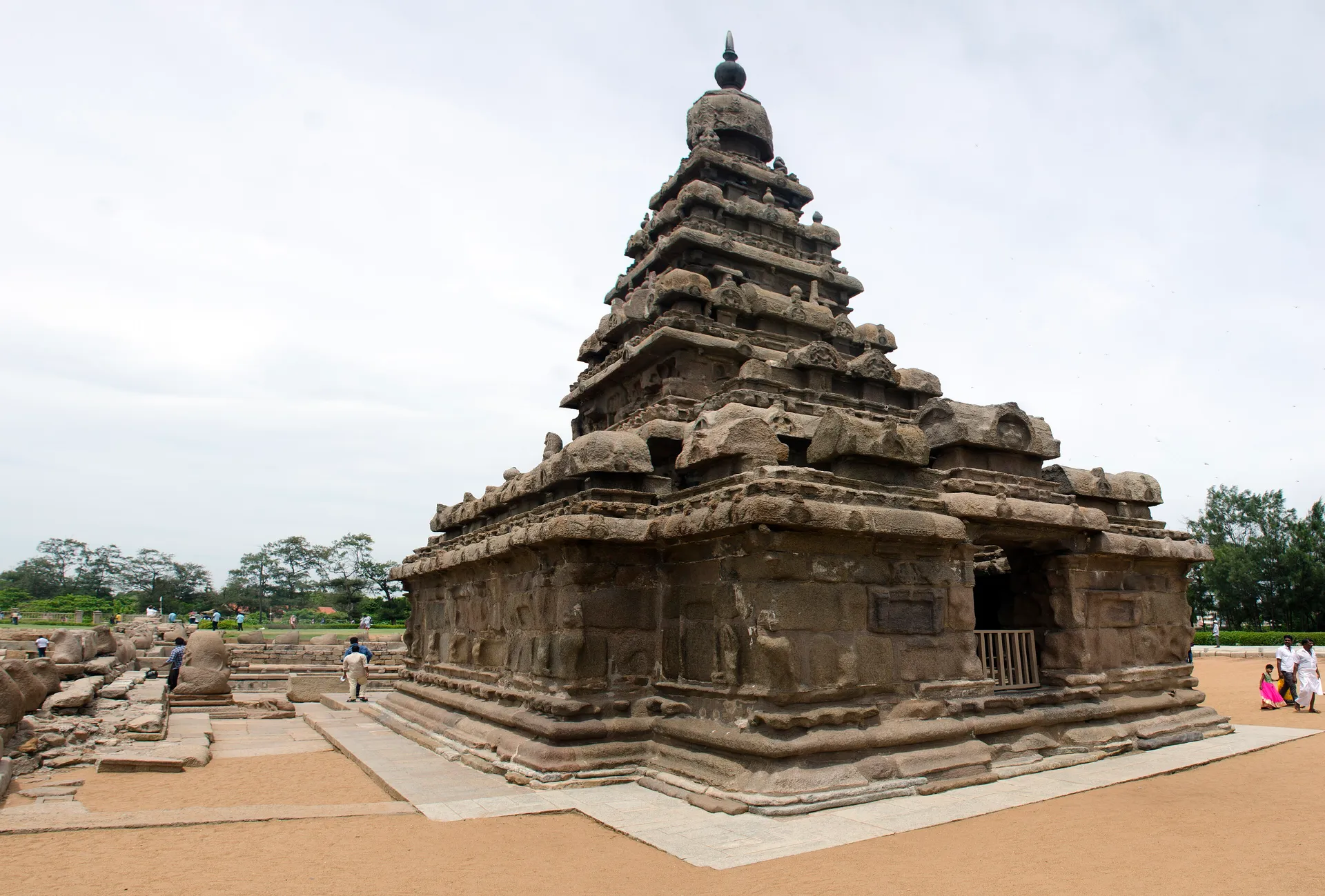
The town itself is small and walkable, most guesthouses, the beach, Othavadai Street, and the main monument cluster (Shore Temple, Five Rathas, Arjuna's Penance) are within a 15 to 25 minute walk of each other. For anything slightly further, or in the heat, autorickshaws are the default and cheap once you negotiate (expect to haggle, meters are rarely used). Renting a scooter (roughly $3 to $5 a day) is popular and gives easy access to nearby beaches, the Crocodile Bank, and Kovalam without waiting on autos, though Indian road conditions and traffic norms mean caution is warranted, especially on East Coast Road (ECR) with its faster through-traffic. Getting to and from Chennai is straightforward: government and private buses run along ECR and take about 1.5 to 2 hours depending on traffic, cost a few hundred INR at most, and are frequent. Taxis or app-based cabs (when available) cost more, roughly $16 to $26 one-way, but are door-to-door and useful with luggage or for the airport run. Chennai International Airport is the nearest airport, about 1.5 to 2 hours by road via ECR or the Old Mahabalipuram Road, and is the standard gateway for international arrivals.
Sorting transport? Book an airport transfer, or compare car rental on Auto Europe and QEEQ.
Visas for Mahabalipuram
Mahabalipuram follows standard Indian visa rules since it is not a special zone. Most nationalities can apply for an India e-Tourist Visa online in advance, typically available in 30-day, 1-year, and 5-year multiple-entry variants, with the 30-day e-Visa a common choice for short nomad stints. Processing is usually a few business days, so apply ahead of travel rather than expecting visa-on-arrival. India does not offer a digital nomad visa, and the tourist visa technically does not permit local employment, so working remotely for a foreign employer while on a tourist visa sits in the same legal gray area it does across most of the country; treat it as tolerated in practice, not officially sanctioned. Longer stays (over 90 or 180 days depending on nationality and visa type) may require registration with the Foreigners Regional Registration Office (FRRO), typically handled in Chennai rather than locally. Visa runs are less relevant here since e-Visas can span months, but overstaying is taken seriously, so track your exact entry date and permitted duration carefully.
Best Time to Visit Mahabalipuram
The most comfortable window is November through February, when daytime temperatures sit in the pleasant high 20s to low 30s Celsius, humidity is more bearable, and sea breezes off the Bay of Bengal help. This is peak season for both domestic and international visitors, so guesthouse prices rise and the monument area gets crowded, especially around Indian holidays. March through May turns hot and increasingly humid, with temperatures regularly pushing past 35C and the heat making outdoor sightseeing and long walks genuinely draining by midday; plan monument visits for early morning. June through September brings a hot, muggy pre-monsoon stretch. October through December is the Northeast Monsoon season, which affects Tamil Nadu's coast more heavily than the rest of India; expect heavy rain spells, occasional flooding of low-lying streets, and the real possibility of a cyclone or two disrupting travel and even causing coastal flooding. If you have flexibility, aim for December through February for the best balance of weather, sea conditions, and (relatively) manageable crowds.
Pros and Cons of Mahabalipuram
The pros are real: UNESCO World Heritage stone monuments you can wander among for free or cheap admission, a laid-back beach-town pace that's a welcome contrast to Chennai's intensity, a living stone-carving tradition you can watch happening in workshops around town, decent budget seafood and traveler-friendly cafes, and a genuine backpacker community that rotates through Othavadai Street. It's also a manageable size, easy to get your bearings in a day or two. The cons are equally real and worth being honest about: the heat and humidity are punishing for much of the year, wifi and power are inconsistent enough to complicate serious remote work, the main tourist strip has persistent hawkers and touts around the monuments who can wear on you, the beach itself has strong currents and is not reliably safe for swimming, and the Oct-Dec monsoon season brings genuine flood and cyclone risk that can strand you or wash out plans. It is also a small town, so if you want nightlife, variety, or fast infrastructure, you will outgrow it within a couple of weeks.
Who Mahabalipuram Is For
Mahabalipuram suits travelers and light remote workers who want a slow, culturally rich beach base rather than a serious work hub: history and architecture fans who want to actually live among 1,300-year-old rock temples rather than day-trip them, backpackers looking for an easy, affordable stop between Chennai and Pondicherry, and remote workers with flexible schedules and low-bandwidth jobs who can tolerate patchy wifi in exchange for cheap living and beach walks at dawn before the heat sets in. It is a poor fit if you need dependable fast internet for daily video calls, want an active nightlife or digital nomad community scene, or are visiting during the Oct-Dec monsoon without flexibility to reroute around weather disruptions. Think of it as a good two-to-four-week stop on a longer South India loop rather than a long-term base.