Cost of Living in Manta
Where this figure comes from. No cost survey covers Manta, so the $800 a month above is our own estimate rather than a measurement. On 416 of our 999 city guides the figure is built from a published Numbeo basket, a one-bedroom rent in the centre plus one person's monthly costs without rent, converted to USD; this city is not one of them. How we source everything.
Budget around $800 a month as a solo remote worker in Manta, and the useful thing about Ecuador is that the figure needs no conversion, since the country has used the United States dollar as its currency since 2000. A one-bedroom place runs roughly $250 to $450, with the Murcielago beachfront and Barbasquillo at the top of that and the inland neighbourhoods well below. Fish is exceptional and cheap in a city built on the tuna fleet. Imported goods carry a premium. This figure is our own estimate rather than a reconciliation against measured data. Using the US dollar removes exchange risk entirely, which is a genuine and underrated advantage for anyone earning in dollars, though it also means Ecuador cannot devalue and prices have crept up relative to its neighbours. A set almuerzo at lunch is $3 to $4 and includes soup, a main and a juice, which is what most of the city eats. Fibre runs $25 to $40 a month and a taxi across town $2 to $3.
Where to Work in Manta
Manta has a small coworking presence, mostly serving the port, the fishing and canning industry and the local university rather than visitors. Fibre has reached the better neighbourhoods and mobile data is inexpensive with reasonable coverage, though speeds and reliability both sit below what a nomad would expect from the larger Latin American cities. Power is generally stable, but Ecuador has had scheduled outages during drought years when the hydroelectric system runs short, which is a real planning consideration. Spanish is essential; English is limited outside the university and a few businesses. Coworking desks, of which there are only a handful, run $80 to $150 a month. Ecuador sits five hours behind GMT with no daylight saving, level with New York in winter, which makes North American work straightforward and European work an early start. The drought-driven outages of recent years were scheduled rather than random and published in advance, so they are manageable if you know to look for the schedule.
Getting Around Manta
Manta runs along the coast and the Malecon and the Murcielago beach form the walkable spine of it, with the port and the fish market at one end. City buses are cheap and cover the rest, and taxis are inexpensive. Montecristi, where the hats the world calls Panamas are actually woven, is twenty minutes inland and worth the trip. Manta has its own airport with domestic connections to Quito and Guayaquil, the latter about three hours away by road. The coastal route north towards Canoa and Pedernales is the way to the quieter beaches. Long-distance buses from the terminal are cheap and frequent, with Quito around eight hours and Guayaquil three, and they are how most Ecuadorians travel. Montecristi's hat weaving is genuine rather than a tourist performance: the finest superfino pieces take months and sell for thousands, and the town's cooperative is the place to see it done rather than the roadside stalls.
Sorting transport? Book an airport transfer, or compare car rental on Auto Europe and QEEQ.
Visas for Manta
Ecuador gives most nationalities ninety days visa-free on arrival, extendable to a hundred and eighty within a twelve-month period, which is generous by regional standards. The country also has a remote work visa introduced in 2022 for people employed or contracted outside Ecuador, requiring proof of a monthly income of around three times the national basic salary and granting two years with a path to renewal. The application runs through a consulate abroad or through the foreign ministry locally. Documentation requirements are specific and apostilles are involved, so allow considerably more time than the process appears to need. Because that threshold is pegged and not fixed, it moves every year with the minimum wage, so the figure to plan against is the current one and never whatever an older guide happens to quote. Documents must be apostilled in the country that issued them, which is the step that adds weeks, so start it well before travelling.
Best Time to Visit Manta
December to May is the warm and wetter half, with hot humid days, the best sea temperatures and short heavy afternoon showers that pass quickly. June to November is drier and noticeably cooler, with grey overcast mornings that locals call garua and highs around twenty-five, and it is the more comfortable half for working even if it is the less attractive one for the beach. Humpback whales pass the coast between roughly June and September and are visible on day trips from the port, which is the strongest single reason to time a visit. The garua season produces genuinely grey mornings that burn off by midday, and visitors who arrive in July expecting equatorial sun are often surprised. Water temperature swings noticeably too, from around twenty-six degrees in the warm half to twenty-one or lower during the Humboldt-influenced months, which is wetsuit territory for anything longer than a swim. An El Nino year changes everything on this coast: the water warms, the rain arrives in quantities the drainage was never built for, and the fishing collapses for months. It is not an abstraction here but something households plan their budgets around. The overcast months are also when the town is at its cheapest.
Pros and Cons of Manta
Manta is a working port city with a long city beach, Ecuador's tuna fleet, whale watching in season and prices that make it one of the cheapest coastal places in the Americas, all denominated in dollars. Montecristi and the quieter beaches to the north are close. This is an industrial city and not a resort at all, the 2016 earthquake did serious damage to the region and its effects are still visible, Spanish is essential, and Ecuador's security situation has deteriorated in recent years, particularly in the coastal provinces. Read current government travel advice directly. Manta is also Ecuador's main tuna port and one of the largest in the Pacific, which is the city's economic engine and shapes everything from the smell near the harbour to the quality of the fish in the market. The 2016 earthquake killed hundreds in the province and reconstruction is visible in some districts and incomplete in others.
Who Manta Is For
A genuinely inexpensive dollar-denominated coastal base with a real city behind the beach rather than a resort strip, and Spanish is the price of entry. The ocean is the point, and so is the fact that the city carries on with its own business whether or not anybody is visiting. Spanish is not optional here, the infrastructure is workable rather than strong, and the security picture on this coast has changed materially in the last decade. That last point deserves current research rather than an assumption carried over from an older guidebook or an older visit. The remote work visa deserves a proper look from anybody weighing a longer stay. Two years in a dollarised economy at Ecuadorian prices is a combination very few countries offer at all. Ecuador packs coast, Andes and Amazon inside a day's travel of one another, which is a geography no other country of its size offers. This makes a sensible coastal anchor for anybody planning to move between all three rather than settle in one.
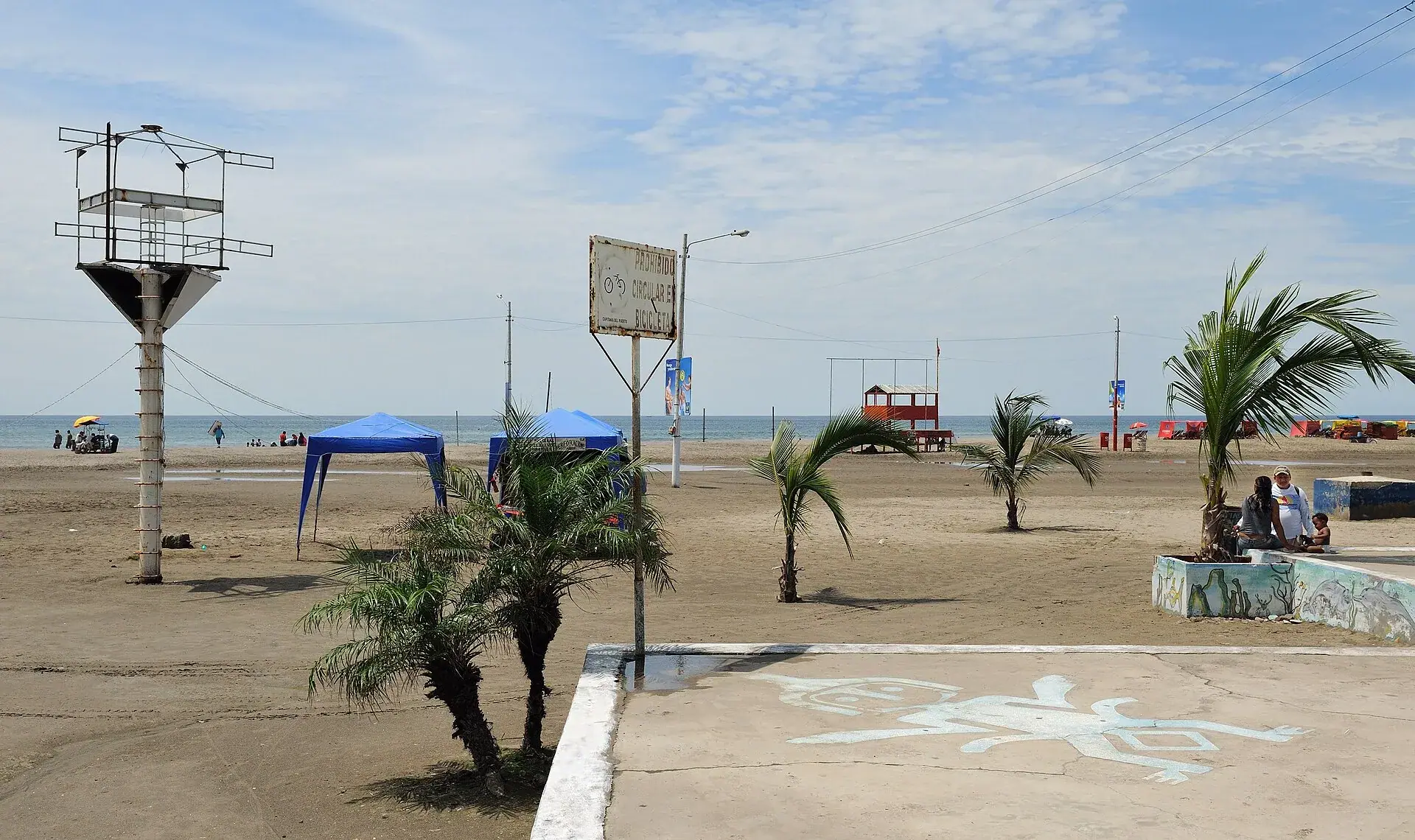 Photo: Cayambe / Wikimedia Commons (CC BY-SA 3.0)