Cost of Living in Nagpur
Where this figure comes from. No cost survey covers Nagpur, so the $490 a month above is our own estimate rather than a measurement. On 416 of our 999 city guides the figure is built from a published Numbeo basket, a one-bedroom rent in the centre plus one person's monthly costs without rent, converted to USD; this city is not one of them. How we source everything.
Nagpur runs about $490 a month for one person. A furnished one-bedroom in Dharampeth or Ramdaspeth is $110 to $200; Civil Lines is dearer and the newer eastern suburbs cheaper. Food is inexpensive even by Indian standards: a thali is around a dollar, Saoji mutton at one of the local places is $3 to $4, and dinner for two at a good restaurant is $10 to $14. Coworking around Civil Lines and the IT park at Parsodi is $50 to $95 a month. Autos cost $1 to $3 and the metro is cheaper still. Fibre is $8 to $12, and utilities run $25 to $50 because summer air conditioning is not optional. Almost every payment now moves through UPI, the instant transfer system, and a foreigner without an Indian bank account is locked out of it, which means carrying cash in a city where locals have stopped doing so. Leases run eleven months by convention rather than a year, because a longer term triggers registration requirements, and the deposit is usually two or three months held without interest. Brokerage on a flat is customarily one month of rent. The city is known for its oranges, and the winter crop is sold off handcarts everywhere, cheap enough to be a daily habit rather than a treat.
Where to Work in Nagpur
Coworking in Nagpur is modest but real, concentrated in Civil Lines, Dharampeth and near the IT park at Parsodi, and priced at $50 to $95 a month for a hot desk. The demand comes from local software and logistics firms rather than visitors, so expect functional offices with reliable business connections and little in the way of community programming. Home fibre from Jio, Airtel or a local ISP costs $8 to $15. Cafes around Dharampeth work for a couple of hours. Power supply is dependable and cuts are brief, though building generators and inverters are common because summer load is heavy. Indian Standard Time sits at a half-hour offset from everywhere else, and that half hour is the part that causes trouble, since every invitation from abroad lands on a fractional boundary and half the scheduling tools handle it badly. The overlap with Europe is comfortable in the afternoon, while the American east coast needs an early start or a late night. Offices in many sectors work Monday to Saturday with alternate Saturdays off, so a local counterpart may well be at a desk when a Western client assumes the weekend has begun.
Getting Around Nagpur
Nagpur has India's most usable mid-sized metro, with two lines crossing at Sitabuldi in the centre, and it is clean, air conditioned and very cheap. Beyond it, autorickshaws and app cabs cover everything for $1 to $4. The city calls itself the centre of India and the Zero Mile Stone marks the old survey reference point downtown. The railway station is one of the busiest junctions in the country, with trains in every direction. The airport is 8km out with domestic flights and a growing cargo operation. Pench is 90km north and Tadoba-Andhari about 150km south, which is the real reason many people come. On Wardha Road the metro runs on top of a three-tier structure, trains above a highway flyover above the street, and its 3.14 km double-decker viaduct holds the Guinness record as the longest of its kind. The Samruddhi expressway, fully open since June 2025, brings the drive to Mumbai down to around eight hours, a real alternative to the overnight train.
Sorting transport? Book an airport transfer, or compare car rental on Auto Europe and QEEQ.
Visas for Nagpur
India's e-visa is available to most nationalities as a 30-day, one-year or five-year tourist visa, applied for online before travel. The longer options allow multiple entries but restrict the year's total to 180 days in the country, so plan dates against that ceiling. There is no digital nomad visa and no formal permission to work remotely on a tourist visa, which is an unresolved grey area rather than a settled allowance. FRRO registration applies to stays past 180 days. Extensions are difficult to secure, so long stays are usually built around leaving the country and returning on a fresh entry. The application asks for a reference in the country and an address for the stay, and a hotel booking satisfies both, but the form is unforgiving about any inconsistency between what is typed and what is printed in the passport. Entry is permitted only at listed airports and seaports, which rules out arriving overland from Nepal or Bangladesh on this class of visa. The fee varies by nationality rather than following one published price. Nothing about the process moves quickly once a question has been raised.
Best Time to Visit Nagpur
November to February is the only comfortable working season, with highs in the high 20s and cool nights. Nagpur sits in the middle of the subcontinent with no coast to moderate it, and its summers are famously brutal: May routinely reaches 45C and has passed 47C. April through June should simply be avoided. The monsoon breaks in mid June and runs to September, bringing relief and heavy rain, and it is when the surrounding forest is greenest, though the tiger reserves are closed for much of it. October is warm and pleasant. Tiger safari season at Tadoba and Pench runs October to June, with the best sightings in the hot months. The loo, the dry wind that crosses central India in May, is what makes the heat dangerous rather than merely uncomfortable, and the local advice is to stay indoors between eleven and four rather than to drink more water and carry on. Diwali falls in October or November and effectively closes business for a week, which is worth knowing before promising a deadline inside that window. The orange harvest runs through the cool months and is the one season the city markets itself on, which tells you how little else competes for the title.
Pros and Cons of Nagpur
Position and price are the two things Nagpur has. It sits at the geographic centre of India with rail links in every direction, has a genuinely good metro, cheap fast fibre, functional coworking and one of the lowest costs of living of any Indian city this size. Two major tiger reserves are within a three-hour drive. Deekshabhoomi, where Ambedkar and hundreds of thousands of others converted to Buddhism in 1956, is a site of real historical weight. The summer heat is among the very worst in India and rules out four months of the year, air quality is poor through the winter, there is no foreign community, and the city is short on the kind of sights that fill a weekend.
Who Nagpur Is For
India as a base rather than a destination: somebody who travels a lot by train, wants cheap rent and reliable internet in a city with a working metro, and does not need other foreigners nearby. Wildlife photographers and anyone drawn to Tadoba and Pench will find it the obvious place to sit between trips. Anyone interested in Ambedkar and the Dalit Buddhist movement has a reason to be here that no other city offers. This makes a poor first visit to India and a worse summer one. Nightlife, walkability and any kind of scene are all absent, and none of the three is coming. Pune and Bangalore do the comfortable-Indian-city job better if cost is less tight.
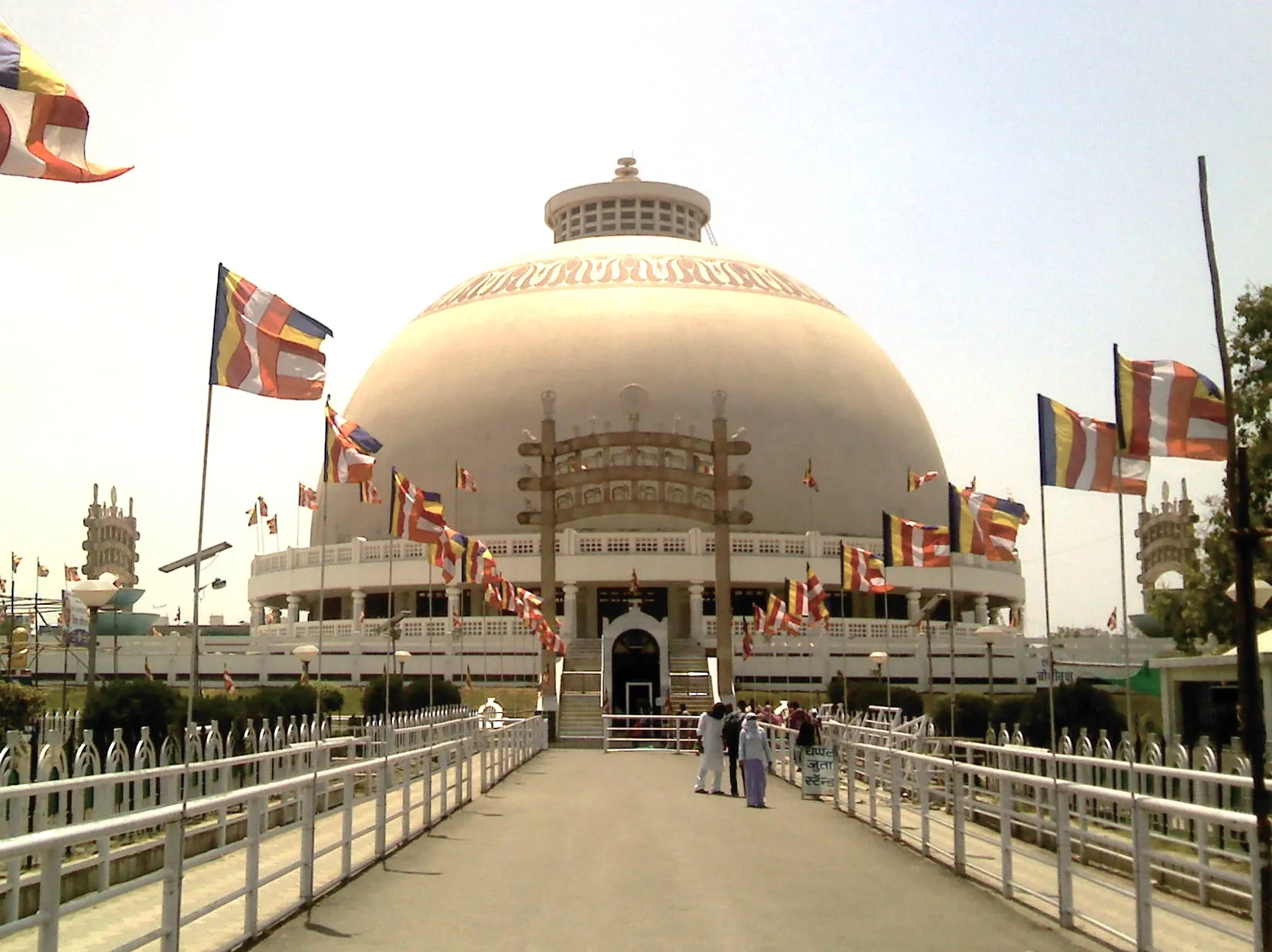 Photo: Kawade Sahil / Wikimedia Commons (CC BY-SA 4.0)